
You get off the bus at Ipanema and the first thing you notice is sound
The sand smells faintly of coconut and sunscreen. Someone to your left is shaping a futebol pass with the inside of their foot; to your right, a pair of friends trade blows in a frantic game of frescobol with plastic paddles. You haven’t even reached the water and a woman selling chilled coconut water calls, smiling, offering the lid already punched through. That mixture of noise, motion and small commerce is beach life in brazil. It’s alive, sloppy, and intensely social — and you want to fit in without sticking out like a tourist.
I’ll tell you how Brazilians dress, what they eat at the sandline, which behaviors get you nods instead of raised eyebrows, and the small practical moves that make your beach day smoother. None of this is theoretical. I’ve lived, worked, and written about Brazilian beaches for years, and I still learn something every season. Read this as if I were walking along the calçadão with you.
How Brazilians dress on the sand (and what that really means)
Start with three honest rules: Brazilians take swimwear seriously, they mix functionality with style, and they don’t over-layer. Compare that to a typical tourist who arrives in long jeans and a sweatshirt because the forecast said “mild.” On most urban beaches — think Copacabana, Ipanema, or Porto Alegre’s Praia do Cassino — people come prepared for heat and close proximity.
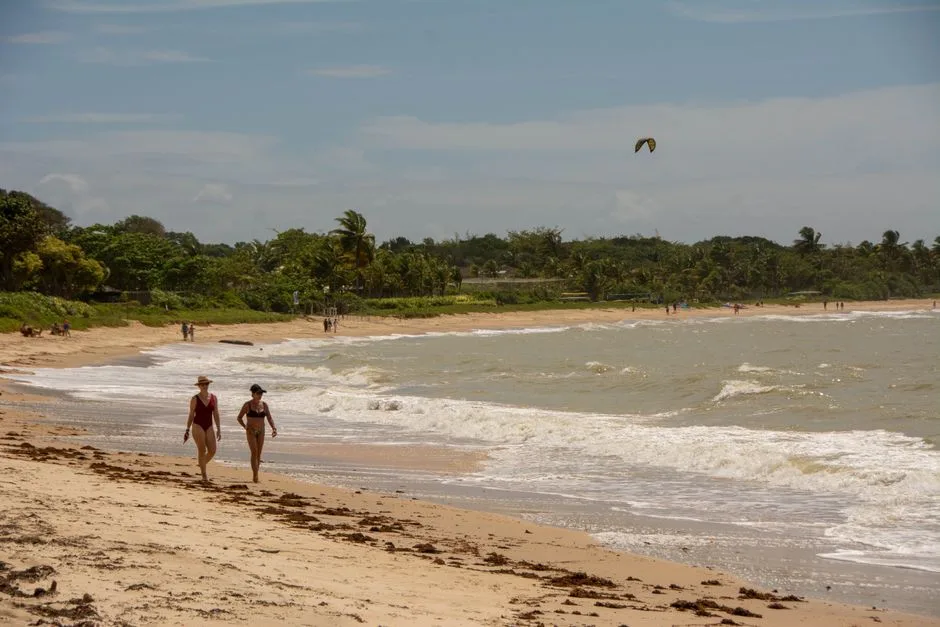
Women: Biquínis and maiôs dominate. The cuts vary from tiny triangle bikinis to one-piece swimsuits with sporty lines. You’ll see color, pattern and texture. A lightweight sarong (canga) or a sundress is the go-to cover-up when you walk from the sand to a kiosk. Don’t overthink accessories; a pair of sunglasses, a straw hat, and a simple pair of rubber flip-flops are all you need. Bring a small tote with sunscreen, a reusable water bottle, and a spare top if you plan to eat at a bar nearby. If you’re aiming to blend in visually, brighter colors and fitted shapes read as local; big beach dresses and layered outfits read as tourist.
Men: There are two main schools — the sunga and the bermuda. A sunga is a shorter, fitted swim brief. A bermuda is a mid-thigh or knee-length board short. Both are perfectly acceptable. If you want to look and move like a local on a crowded beach volleyball net, go shorter and snug. If you prefer more coverage and the relaxed look of a guy grabbing a beer at a kiosk, choose bermuda shorts. Either way, bring a light shirt for sun protection when the sun turns brutal; nobody expects formal clothes by the sand.
Families and modest stretches: On family-oriented beaches or certain stretches near churches and residential areas, people tend to dress more conservatively. A simple, modest swimsuit and cover-up will keep you comfortable and respectful. Brazil is big; tone it down if you’re on a quieter shore.
Footwear, bags, and small practicalities
Flip-flops or rubber sandals are the norm. Thin-soled shoes make walking over hot sand and mosaic sidewalks bearable. If you plan to walk long stretches of boardwalk, consider comfortable sport sandals. Don’t bring heavy handbags; everything at the beach moves faster in a lightweight mesh or canvas tote. If you are carrying valuables, I keep them in a waterproof pouch and tuck it under my towel when I go for a swim — not flashy, not tempting. That’s basic common sense, not paranoia.
Exactly what to wear for different Brazilian beaches
Brazilian coastline is enormous. The wardrobe that works in Fortaleza will not always match the mood in Búzios.
- Urban classics (Rio, Salvador, Recife): Swimwear plus a cover-up; sunglasses and sunscreen. You’ll want to be able to jump into a foot-volley game at a moment’s notice.
- Laid-back Nordeste destinations (Jericoacoara, Praia da Pipa): Light, bohemian pieces work. Sarongs, linen shorts, and loose shirts fit the vibe. Sand gets everywhere; keep jewelry minimal.
- Island paradises (Fernando de Noronha): Performance swimwear, reef-safe sunscreen, and a simple rash guard if you plan to snorkel. Conservation-minded locals expect low-impact gear.
- Southern beaches (Florianópolis, Itajaí): Water is cooler; consider a thin long-sleeve or wetsuit for longer swims or surfing reloads.
What Brazilians actually eat on the beach
Food is as central to a beach day as towels and sun. Vendors move along the sand shouting what they carry, and there’s a rhythm to when people eat: light snacks mid-morning, full lunches under shade, and late-afternoon bites paired with sunset cerveja. Expect flavors to be local, salty, and bold.

Açaí: Not the generic supermarket smoothie. On the beach you’ll find a thick, icy bowl of açaí (often unsweetened) topped with granola, banana and sometimes condensed milk. It’s a regional specialty from the Amazonas but it has been embraced nationwide as a cooling, energizing snack. Order small if you’re sharing; it can be surprisingly filling.
Tapioca: Think of a thin cassava crepe, griddle-made in front of you and folded around sweet or savory fillings. Popular fillings include queijo coalho (a firm, salty cheese), shredded coconut and condensed milk, or shredded chicken. It’s quick, gluten-free, and portable.
Acarajé: If you’re on the northeastern coast, you need to try acarajé. Street-sold by baianas, these deep-fried balls of black-eyed pea dough come stuffed with vatapá, caruru, and often a spicy pepper sauce. It’s rich, messy, and full of history — the flavors are unapologetically bold.
Pastel and milho verde: Pastel is a fried pastry with fillings like cheese, carne seca or hearts of palm. Milho verde (grilled or boiled corn on the cob) — slathered with butter and sometimes cheese — is a classic carbohydrate comfort. Both are staples of beach kiosks and food trucks.
Churrasquinho and espetinho: Small skewers of grilled meat or chicken, lightly salted and served hot from a portable grill. They’re a grab-and-go protein hit; people eat them while walking or seated on towels.
Drinks: Coconut water straight from the nut is a must. If you want alcohol, a chilled beer or a caipirinha at a kiosk are common. Take note: many beaches have rules about glass, so vendors often serve drinks in plastic cups.
How to order like a local
Approach the vendor with a smile, make eye contact, and use a short phrase: “Um açaí pequeno, por favor” or “Uma água de coco.” If your Portuguese is rudimentary, a friendly “Por favor” and pointing will carry you far. Don’t shout back. Vendors move quickly; a calm and clear request speeds things up and gets you better service.
Beach etiquette that wins you Brazilian smiles
There’s no formal manual, but there are norms that tell you when you’re doing it right. These are subtle and practical. Do them and you’ll get nods, not glares.
- Claim a spot, but share space: People set up towels, mats and umbrellas, but crowds are communal. If someone asks to squeeze into your shade for a minute, it’s usually fine. If someone sets a towel too close to yours, move a half-step — Brazilians are used to proximity.
- Watch your volume: Lively conversation is normal. Loud speaker systems playing funk, samba or pagode are a beach staple. Still, avoid sustained shouting; it’s the difference between festive and intrusive.
- Don’t be the person who leaves trash: Dispose of plastic, cans and food scraps in the bins. If there isn’t one nearby, hold it until you find a bin. Locals expect a tidy sandline and will notice if you don’t respect it.
- Ask before photographing someone up close: Portraits of strangers are fine from a distance, but always ask before taking close shots of people, especially vendors or children. A polite “Posso tirar uma foto?” is enough.
- Respect matches and games: If you sit near a volleyball or foot-volley court, keep an eye on the ball. People play aggressively and expect viewers to give space.
Joining a game: how to get onto the sand without embarrassment
Brazilian beaches are full of pick-up games. You’ll see groups in the sand playing futebol with no shoes and incredible footwork, or a pair intensely protecting a point in frescobol. Want in? Walk up and watch for a moment. If a player nods or throws the ball toward you, that’s your cue. Don’t be rude or presumptive. Offer to rotate in, and don’t take liberties — the rhythm is communal and quick to test newcomers.
Frescobol is less competitive and more social; the aim is to keep the ball in play as long as possible. It’s the perfect way to meet people without the pressure of scoring goals. If you’re unpracticed, play the defensive role and let them do the fancy moves.
Safety and practical survival on Brazilian beaches
Safety on the sand mixes common sense, local knowledge and a few habits that feel natural after the first time you see them.
- Watch the flags: Beaches display flags that indicate water conditions. A green flag typically means calmer water; yellow signals caution; red warns of dangerous currents or conditions. If you see red, don’t swim. If the surf looks rough, take it from a distance.
- Protect your stuff: Don’t leave valuables unattended. If you want to swim, either have a trusted friend stay with your items, use a waterproof pouch strapped to your body, or ask a vendor you’ve just bought from to keep an eye — some will, for a small fee or in exchange for your custom.
- Sun timing: Brazilian sun is intense. Between roughly mid-morning and late afternoon, apply broad-spectrum sunscreen frequently, hydrate, and seek shade. A wide-brim hat and a light shirt reduce sun fatigue faster than reapplying SPF alone.
- Respect the locals: If a lifeguard or a local asks you to move because of a changing tide or boat traffic, do it without argument.
Language shortcuts that open doors
A few phrases get you far and encourage locals to help you. Learn these, and people will treat you like someone trying rather than someone indifferent.
- “Por favor” (please) and “obrigado/obrigada” (thank you; choose gendered form) — a must.
- “Quanto é?” (How much?) — at kiosks and for small purchases.
- “Posso?” (May I?) — useful for asking to sit, join a game, or take a closer look.
- “Tem sombra?” (Is there shade?) — great for finding a spot near kiosks.
People appreciate any effort. Don’t worry about perfect pronunciation; the attempt matters.
How to handle the vendor scene without turning it into a circus
Vendors are part of the beach ecosystem. They’re efficient, quick, and expect small talk. You’ll meet sellers of beer, ice cream, grilled corn, and sometimes artisanal crafts. They walk the sand with trays or rollable coolers. If you don’t want what they offer, a polite “Não, obrigado” is enough. If you want to buy, have small bills or coins ready; it helps speed the exchange.
Tip: get to know two or three regular vendors during a multi-day stay. They’ll hold umbrellas, keep an eye on your things for a short time, and give you local gossip about where the waves are good that day.
What to avoid — quick, actionable do-not-do list
- Don’t leave bags unzipped or phones visible on towels.
- Don’t wear expensive jewelry; it marks you as a target and adds no value to sand time.
- Don’t insist on using a public umbrella without asking.
- Don’t litter. It’s basic and noticed.
- Don’t photograph children without permission.
Local rhythms: times and days to experience
Weekends are louder and more crowded. If you want a sociable day full of people watching and games, go Saturday or Sunday mid-afternoon. If you want calm, early morning or weekdays are best. Late afternoon is prime for watching the sunset with a drink in hand — that’s when the beach breathes out and the coping festival of the day becomes a communal wind-down.
Small habits that make you feel like you belong
Do this: fold your towel cleanly and stack your things when you leave, tip a small coin to the person who washed your hands or kept an eye on your stuff for a moment, and bring a reusable bag for your trash. Simple moves. Big effect. People notice effort and respond with warmth.
A last, concrete takeaway to carry to the sand
Dress for heat and movement, eat whatever the local kiosks recommend, keep your things modest and dry, speak a few Portuguese phrases, and treat the beach as a shared living room — not a private stage. Do that, and you won’t just be a tourist watching Brazil’s beaches. You’ll be someone who belongs there for a day.