
That first step off the truck, and the smell of wet quartz
I remember the kick in my calves as the guide shut the taxi-jeep and pointed up a slate-grey wall. The air tasted of rain even though the sky was a clean blue. You will have that moment in Chapada Diamantina — sudden, private, no Instagram filter required. It’s a landscape of table-top mesas, river-carved canyons and water that seems to be lit from the inside.
This plan assumes you arrive with a flexible spirit, sturdy boots, and curiosity. I’ll take you from Lençóis (the obvious base), to a show-stopping viewpoint, a couple of crystal caves, and a proper multi-day hike in Vale do Pati. Practical notes live inside each day: how long the walks feel, what you really need, and what to expect from guides and transport.
Before you leave town: simple choices that save time on the trails
Buy cash. Lots of small businesses and local guides want reais in hand. ATMs in Lençóis usually work, but don’t count on the card machine at a fazenda (farm) or small pousada. Go to the mercado and pick up: a tube of reef-safe sunscreen, a small bottle of insect repellent, two 1L bottles of water to start your trek, and a few empadas or bananas for immediate snacking. A light, packable rain jacket will be the smartest thing you bring.
Hire local guides for the longer days. For short viewpoint walks you can manage yourself, but most multi-day treks and cave visits are better (and sometimes required) with a certified local guide. They know the seasonal river crossings, where to avoid soft quartz that sucks your boots, and where the best shade is at midday. If you’re restless about guide fees, negotiate politely — remember that guiding here is a living for many families.
Day 1 — Lençóis: acclimatize, meters of stone, and a great first sunset
Lençóis is the right kind of messy: cobbled streets, an old mining layout, and a cluster of pousadas and small restaurants that will feed you strong coffee and fish stews. Walk the town to loosen your legs, buy a SIM card if you need one, and arrange pickup times for the next day. There are short day hikes leaving directly from town; if your legs are fresh, a late-afternoon walk to a nearby viewpoint is perfect for testing your gear.
By dusk find a rooftop or the town edge and watch how the escarpments pick up the last light. Let the quiet of the rock sink in. You’ll need the sleep.
Day 2 — Morro do Pai Inácio and the first real view
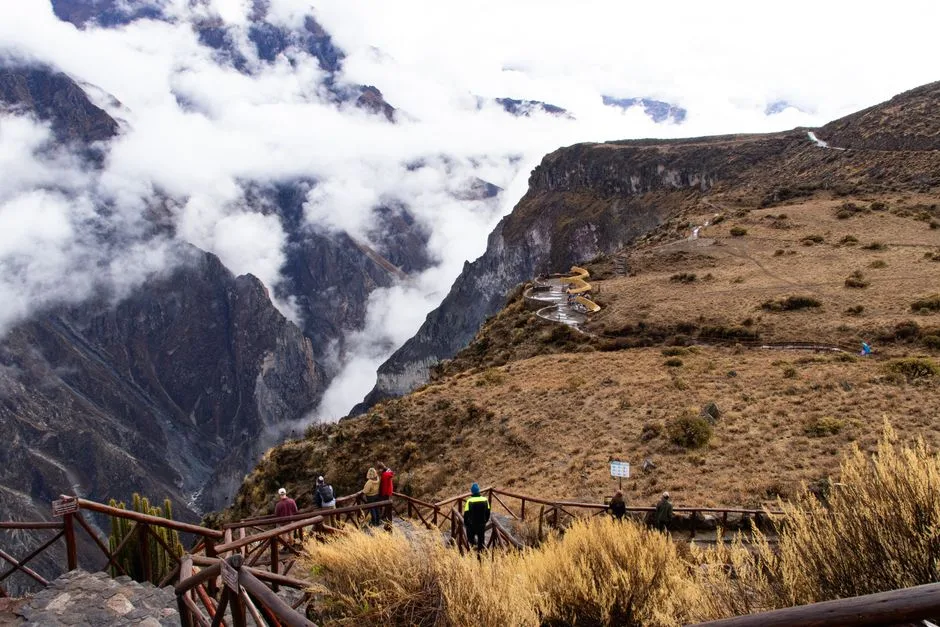
Morro do Pai Inácio is quick, dramatic and tells you what Chapada is about in ten minutes of walking: wind-polished rocks, layered horizons, and the tiny human figures below. The walk from the parking area to the summit viewpoint is short but steep in places; you’ll climb on bare quartz and may want a trekking pole for balance during a gust. The view is wide enough to make you hush.
After Pai Inácio, go to a nearby trailhead for a moderate loop: small caves, dry riverbeds and several natural pools. If the water is low you’ll get quieter pools and brighter blues; if it rained recently the pools are powerful and river flow picks up energy. Either way, plan for two to four hours on these secondary trails and keep your camera dry-bag handy.

Practical: what you need for a day like this
- Boots or sturdy trail shoes — not brand-new trainers.
- Sun protection — broad-brim hat, reef-safe sunscreen, sunglasses.
- 1.5–2 liters of water per person for a full day, with electrolytes if you tend to sweat a lot.
- Small first-aid kit, blister tape, and a map or offline GPS (paper maps are sold at tourist desks).
Day 3 — Caves and blue pools: Poço Encantado and Poço Azul
These two sites are the cinematic contrast to the broad mesas. Poço Encantado is famous for a shaft of light that pierces the cavern at the right hour and paints the submerged limestone in electric blues. Poço Azul offers an almost tropical clarity where you can see the bottom even where it’s deep. Access rules and open hours depend on the season and on local water levels, so check with your guide or the park office the day before.
Arrive early for the best light and the smallest crowds. Swimming is sometimes allowed at Poço Azul but frequently regulated to protect the water and the fragile algae that create the color, so bring a swimsuit and be ready to wait for the permitted window. These sites are short visits—plan for 1–3 hours total depending on how much photography you want—and leave the mineral-rich water to settle; don’t enter with sunscreen on.
How to photograph a blue pool without ruining it
Use a polarizing filter if you shoot with glass, or steady your phone on a low rock and wait for the sun shaft. Don’t linger in the entry paths; the best angle is almost always from the designated platform. If someone says you can’t swim right now, they’re protecting the site. Respect that — the color you came to see depends on it.
Day 4 — Start the Vale do Pati multi-day trek
Vale do Pati is the reason many people come for a week and never quite leave for another trip. It’s not a showy tourist walk; it’s a living valley with farms, river fords and a handful of trails that feel like being let into a long family story. The standard route is typically done over two or three days, with options to camp or stay in very modest farmhouse rooms (known locally as casas de moradores).
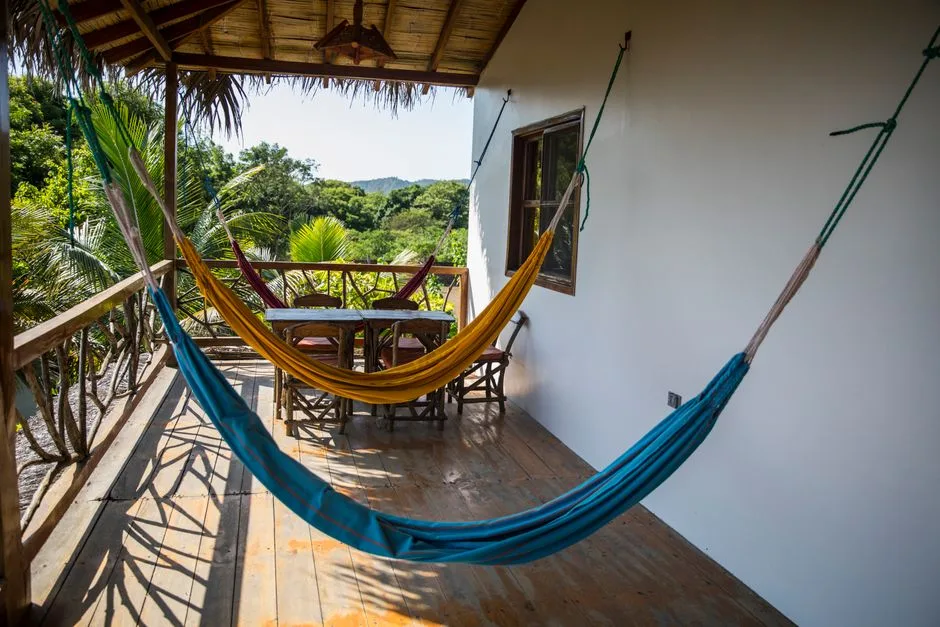
Expect steep sections, long exposed ridges and shady river crossings. The first day into the valley is often the hardest on the legs because the trail drops and climbs repeatedly through canyons. A local guide will set your pace, point out seasonal fruit trees, and pick the best place for your first overnight — usually a simple casa with a hot meal boiled over wood and a hammock under the stars.
What the trail actually feels like
There are no neatly paved steps here. You will scramble over exfoliated rock, step through waist-high shrubs, and walk on dusty paths that animals use too. Some stretches are deceptive: short, steep climbs that look like ten minutes but take twenty. Carry a headlamp for late evenings; chores and arrivals after dark happen.
Day 5 — Return from Pati and a hidden waterfall if you have energy
The last morning is often the best — mist in the valley, fresh bread from the farmhouse, and a last short hike to an outlook you may have missed on the way in. On the way back to Lençóis, ask your guide about a side route to a small, less-famous waterfall. These side falls rarely have viewers, and the water is colder and sweeter for it. If you still have time before your transport back, stop at a local bar for cachaça and roasted manioc — a perfect, salty finish.

When to go: season and light
The dry months (roughly May through September) are the clearest for hiking. Trails firm up and caves show their blue light most predictably. The wet months make the canyons lush and dramatic, but they can close some paths and make river crossings risky. If you chase waterfalls at their fullest, visit just after the first heavy rains — but travel with a local who knows the river levels.
How to get around the park
Lençóis is the transport hub. Local operators run fixed routes with vans, jeeps and small taxis to trailheads and the surrounding towns. Many trails start on private land where small entrance fees or guide requirements apply. For overnight treks like Vale do Pati, most visitors combine a jeep to the main trailhead plus a guide who walks with them. Renting a 4×4 makes sense only if you’re experienced driving on rough dirt roads; otherwise, local drivers have the lines memorized.
Packing like someone who actually hikes (not someone who looks cute)
- Technical base layer and a light insulating mid-layer — nights can be cool.
- Waterproof rain jacket — storms blow through fast and hard.
- Durable, broken-in hiking shoes; thin sandals for river crossings.
- Dry bags or zip-locks for electronics, passport and spare clothes.
- Basic repair kit: cord, needle, duct tape, and spare shoelaces.
- Small stove or ask your guide — many casas will cook for you, but expect simple food.
Food, local culture, and evening rhythms
At the end of a long day you’ll eat like a person who hiked. The valley meals are hearty: rice, beans, roasted tubers, grilled fish if the household has access, and generous plates of fried banana. In Lençóis you can also find small bistros with interesting menus and better coffee. Chapada has a deep diamond-mining history and that legend colors the towns — old mines, heirloom stone walls and a few museums or local storytellers along the way.
Evenings in a pousada are for drying socks, swapping trail notes, and a little mid-western Brazil forró if you’re lucky. Ask a local where the musicians meet; sometimes a simple square will light up with acoustic guitars and people dancing barefoot.
Safety realities that don’t scare you
Chapada is not remote in the “no help ever” sense. If you stick to known routes, go with a guide for multi-day treks, and pay attention at river crossings after rain, you’ll be fine. Mobile signal exists in pockets near towns and on some ridges, but don’t count on it in canyons. Carry a little extra cash for unforeseen taxi rides or a last-minute guide extension. If you suffer allergies to insects or get severe blisters, local towns have health posts and Lençóis has clinics and a small hospital capable of routine care.
Budgeting without false precision
There are two big costs: accommodation and guided trips. Simple pousadas can be economical, while mid-range guesthouses offer private rooms and hot showers for a higher nightly rate. Guides, jeep transfers, and multi-day treks make up the other big expense. You’ll save money by booking short trips on the spot and by splitting guides with other travelers — this also helps local economies spread income across several families.
How to treat the places you pass
Leave nothing but footprints. Many of the valley homes and trailheads rely on small, fragile systems for waste; carry out plastics and leftover food if you can. Don’t take rocks as souvenirs. If you buy local crafts, pay attention to origin stories — buying from families keeps production sustainable and supports conservation by giving people a reason to protect the land.
Options if you have more time or different fitness levels
- Short on fitness? Spend two extra days in Lençóis doing gentle day-walks and cave visits.
- Craving more adventure? Add a canyon descent like Buracão (requires a local operator and a head for heights).
- Want quiet? Ask to be dropped at a lesser-known trailhead for a solo half-day walk that ends at a private waterfall.
Final practical tips I wish I’d known the first time
1) The best map is the one your guide carries. Carry a small, folded paper map and add the guide’s notes to it. 2) A headlamp saves evenings — casas rely on single bulbs in common areas. 3) If you expect to swim under a light shaft in Poço Encantado, plan for an early morning visit when the light aligns; afternoon crowds and cloud shadows change everything. 4) Trust local timing: meals, pickups, and walking pace will follow local rhythms — if your guide says “we leave at 7:00,” plan for between 7:00 and 7:30.
One concrete takeaway to keep
Chapada Diamantina is best traveled slowly: a big view is fine for a photograph, but it’s the long valley conversations, a farmhouse meal shared under a roof of tin, and a river crossing you didn’t expect that stay with you. Pack simply, hire locally, respect the places you visit, and let a guide explain the geology and the stories — they’ll point out the small things no map ever captures.