
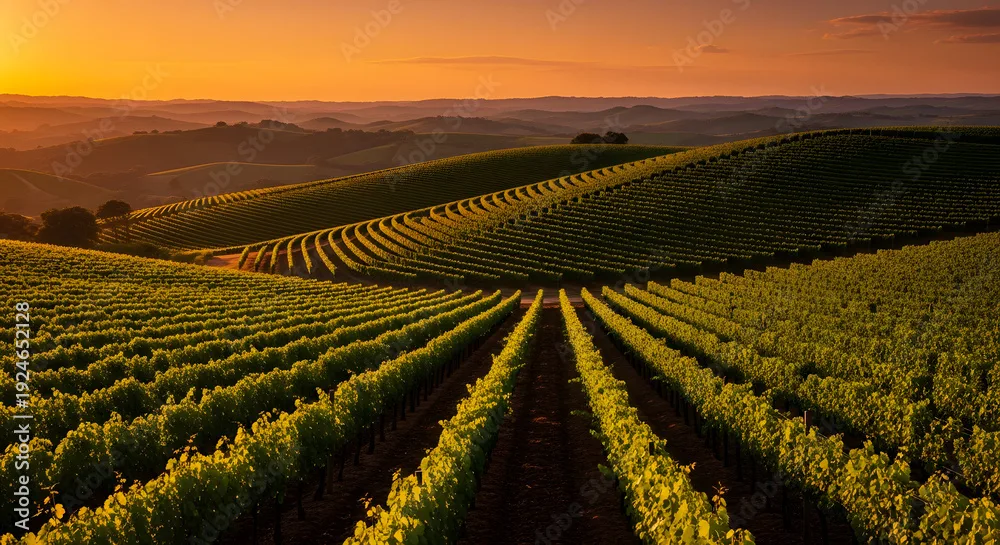
I walked out into the vines and felt the fog lift
There was a chill that morning, the kind that clings to your jacket sleeves, and an old man with a paper map who insisted the best view of the valley was from behind the third row of trellises. He was right. The rows ran like a green carpet down to a cluster of tile-roofed houses and a narrow road where a pickup was waiting to take a group of tourists on a private tour. That pickup later became my shuttle between wineries for a week. It’s the little, improvisational details like that which make serra gaúcha wine tourism feel honest rather than staged.

Why Vale dos Vinhedos matters more than its size suggests
Vale dos Vinhedos sits inside Serra Gaúcha like a postcard someone refused to update. It’s small, tucked around Bento Gonçalves, but its name carries weight for a reason: this is one of the few places in Brazil where wine culture is visible outside the bottle. Wineries open their cellars to visitors; families pour glasses across kitchen tables; restaurants assemble polenta, galeto and pasta with the kind of generosity that makes you slow down. Tourists arrive expecting pretty vineyards and leave with a sense of place, and a couple of bottles they can’t get at home.
The region’s personality
Serra Gaúcha doesn’t try to imitate Bordeaux or Tuscany. It borrows Italian heart and German craft and blends them into something of its own. The immigrant history—Italian families who planted vines and kept the recipes alive—shapes the food, the festivals and the way people pour a glass for a friend who walks in. That hospitality is the secret ingredient of wine tourism here: you don’t only taste wine, you enter a living culture.
Terroir that surprises: hills, climate and grape choices
People who think Brazil equals tropical heat are always surprised by Serra Gaúcha. We’re talking rolling hills and elevations that bring cooler nights, which is a huge advantage for making fresher, more balanced wines and lively sparklings—espumantes. The soils are varied: clay, loam, pockets of granite; each parcel behaves differently. You’ll see Merlot and Cabernet Sauvignon doing well in sheltered plots, Chardonnay standing bright on higher ridges, and Moscato and fruity varieties shining where microclimates warm up earlier in the day.
Sparkling wine deserves a separate mention. Serra Gaúcha is where Brazil learned to take bubbles seriously. Producers here experiment with traditional and modern methods, and you’ll find both festive, fruit-forward bottlings and more restrained, aged espumantes that pair perfectly with the regional cuisine.
Wineries you should plan on visiting (but don’t treat as a checklist)
I’ll be blunt: the best winery visits are not the most famous ones. Big names bring spotless tasting rooms and polished tours; family-run places hand you a plate of homemade sausage and invite you to sit at the kitchen table. Both are worth your time, but plan for variety.
Casa-style houses: family-run experiences
- Small boutique wineries: These offer intimate cellar tours and tastings at a table where you can ask too many questions. Expect passionate owners who will tell stories about climate challenges and why a certain plot produces that apple note in a Chardonnay.
- Family restaurants attached to wineries: Bring an appetite. These are the places where wine meets galeto and polenta, and you understand the local pairing logic—rich, savory food cut through by acidity and sometimes a touch of residual sugar.
Bigger producers and structured visits
Large cellars here often have extensive visitor centers, audiovisual tours and museum-type exhibits that explain immigrant history, production techniques and bottle aging. They’re useful because they give context: who founded the winery, how production scaled, and how the company balanced tradition and modernity.
How to schedule tastings without feeling rushed
Most people trip up by trying to cram too many visits into one day. I once did four in a day and by the end I was flavor-blind and apologizing to my driver. My rule now: two proper visits per day—one morning, one late afternoon. That gives time to taste intentionally, walk the vineyard, and talk to staff without sounding like a checklist.
Book ahead in high season and ask whether the visit includes food. If it doesn’t, map a lunch spot near a winery that does—pairing is everything here. If you want to taste specific bottlings, tell the winery in advance; they can usually reserve rarer samples for you.
Where to base yourself: Bento Gonçalves, Garibaldi or a vineyard inn?
Bento Gonçalves is a practical hub—central, with buses, restaurants and a decent hotel scene. Garibaldi feels more intimate and has a reputation for sparkling wines. If you want to be enveloped in vineyards, choose a guesthouse or pousada inside Vale dos Vinhedos; you’ll fall asleep to the sound of distant church bells and wake up to a breakfast of homemade jams and fresh bread.
Staying local: what you gain
Staying on a property often means early access to a private tasting, a walk with the winemaker, or an invitation to a small estate dinner. Those moments are what make this region memorable. If budgets are tight, you can still day-trip from Bento and have a rich experience—but don’t skip the chance to stay a night among the vines if you can.
Seasonal rhythms: when to visit for wine and atmosphere
There are three moods to the year here: verdant growth, busy harvest, and the winter pruning hush. If you want festivals, plan around local harvest celebrations—streets fill with music, grape stomp events pop up, and restaurants roll out special menus. If you prefer quieter, contemplative visits, choose the shoulder seasons when the light is beautiful and tours are more personal.
Practicalities: getting around, tipping and language
Driving is the most flexible option. Roads are straightforward and the distances are short—rent a car if you’re comfortable behind the wheel. If you’d rather not, book a driver or a small-group wine tour; local guides speak English at many wineries but a few smaller farms operate mainly in Portuguese, so a guide can make the story clearer.
Tipping in Brazil isn’t obligatory the way it is in the U.S., but it’s appreciated. If a tasting or meal feels exceptional, leaving a small tip or buying several bottles goes a long way toward supporting boutique operations.
Language: how to ask for what you want
You don’t need fluency. Learning a few phrases will get smiles and better pours. Ask for “degustação” for a tasting, “visita à vinícola” for a cellar tour, and the word “espumante” for sparkling. If you want sweeter examples, ask for “mais doce”; for dryer styles say “seco.” People here love explaining if you show curiosity.
Buying wine to take home (logistics and what to pick)
Many wineries ship within Brazil and some ship internationally; if you’re traveling light, ask the cellar about export options. Bottles you can only find here—limited releases, family blends, aged espumantes—are worth the extra effort. When choosing bottles, think about the meal pairings you’ll use them for: a fruity Merlot for tomato-based pasta, a more structured Cabernet for grilled meats, and a lively espumante for everything from appetizers to dessert.
Beyond Vale dos Vinhedos: unexpected corners of Serra Gaúcha
Vale dos Vinhedos gets a lot of attention—and deservedly so—but Serra Gaúcha has more to offer. Garibaldi is sparkling-focused and worth a day for its cellars and small museums. Caxias do Sul has the big Festa da Uva and a more urban energy; it’s where immigrant culture goes public and celebrates its roots. Smaller pockets and newer winemakers are experimenting with unusual plots, biodynamic approaches, and blends that question regional stereotypes.
A sample three-day itinerary that respects pace and curiosity
Day 1: Arrive, settle into a pousada inside Vale dos Vinhedos, have a slow lunch at a family restaurant, and do an afternoon tasting at a small boutique producer where you can walk the vineyard.
Day 2: Morning tour at a larger, structured cellar to understand production; lunch in Bento Gonçalves; an afternoon visit to a specialty sparkling producer in Garibaldi with a cellar tour focused on aging and dosage choices.
Day 3: Choose a hands-on experience—harvest participation in season, a cooking class that pairs local dishes with wines, or a private tasting that includes library bottles. End the day with a visit to a gallery or craft shop to buy a ceramic piece as a souvenir.
What to pack and how to dress for tastings
Bring comfortable walking shoes for gravel paths and vineyard slopes, a light jacket for cool evenings, and a small daypack for water and a notebook—notes matter. Don’t expect formal dress; people wear jeans and neat sweaters. If you plan a dinner at a higher-end winery restaurant, bring something a bit smarter but still relaxed—this region values warmth over formality.
Common mistakes visitors make (so you don’t)
- Trying too many tastings in one day and losing the nuance of each wine.
- Only visiting big-name wineries and missing family-run places where you’ll learn the most about local culture.
- Skipping meals between tastings—food changes perception and makes the day more enjoyable.
- Assuming every producer follows the same methods—ask questions about fermentation, oak use, and aging to understand differences.
Real conversations that changed my view of Brazilian wine
A winemaker once told me his family kept a small cask in the kitchen for daily drinking—the sort of wine meant for soup and company rather than scores and critics. That idea stuck with me: not every bottle needs to be a collector’s item. Serra Gaúcha taught me to value context. A wine tastes different standing under a trellis with a farmer explaining why last season’s rain altered the acidity; it tastes different in an airplane sipping to kill time.

The economic ripple: what wine tourism means for local life
Wine tourism isn’t just about bottles sold at the cellar door. It underwrites restaurants, guesthouses, craft stores and small farms. When you pay for a tasting, you’re often supporting a family that plants more vines, who in turn hires seasonal workers, who feed their families and sometimes teach local kids about agriculture. Your visit can translate into steady income for communities that once relied on a few crops.
Questions to ask on a tour that reveal the maker’s priorities
- “How do you decide when to harvest?” (Look for answers about tasting fruit rather than purely measuring numbers.)
- “What is your favorite local pairing?” (It tells you how the winery thinks its wine should be served.)
- “Do you keep any back-vintage bottles?” (If yes, ask to taste—older bottles show a winery’s aging philosophy.)
Booking tips and how to find the best experiences
Call or email ahead. Many of the smaller estates only accept visitors by appointment. If you want a private tasting or to see a cellar, ask when you book; these extras often require staff time and scheduling. If you have dietary restrictions, say so—wineries often work with local chefs and can adapt plates for you if given notice.
A concrete takeaway to act on
If there’s one actionable thing to do: pick two contrasting winery experiences before you leave home—one large, one tiny—and reserve them. Book a pousada inside Vale dos Vinhedos for at least one night so you can taste with the leisure locals do. When you arrive, ask a winemaker for a food pairing recommendation and follow it—sometimes the simplest match, like a slice of polenta with a chilled espumante, is the exact moment you’ll remember the region by.
About the author
I write about Brazil because I live among its vineyards, teach small groups to read a wine label, and still get surprised by a new producer who turns a hill into a bottle of character. If you visit Serra Gaúcha, don’t aim to conquer it. Aim to listen—and bring back a bottle that made you pause.