

- Why a RioCard speeds up your Rio plans
- Where to pick one up — practical spots and what to bring
- Types of cards you’ll encounter
- Step-by-step: how to recharge (top up) your RioCard
- Tapping rules on different modes of transport
- Buses
- Metro
- VLT (tram/light rail)
- Ferries
- How to check your balance and recent trips
- Lost card, damaged card, or unexpected charge — recovery steps
- Common hiccups and how to fix them fast
- Smart habits for visitors and busy commuters
- Cost considerations and fare integration
- Accessibility and special categories
- Security and privacy tips
- Local phrases that help at kiosks and stations
- When to consider alternatives to the RioCard
- Frequently asked questions travelers actually ask
- Can multiple people use the same card?
- Does the card expire?
- Can I get a refund for leftover balance?
- Final travel-minded recommendations
Why a RioCard speeds up your Rio plans
If you plan to get around Rio de janeiro by public transport, a reusable transit card makes travel faster and less stressful than paying cash for every trip. A single card stores credit and lets you tap through buses, trams, metro gates and some ferry lines without digging for change. That small convenience saves time at crowded boarding points and prevents awkward fumbling when a queue is moving briskly.
Where to pick one up — practical spots and what to bring
Buying a RioCard is straightforward when you know the right places to look. Start at any metro station: ticket windows and automated kiosks typically sell cards. Major bus terminals, BRT stations and VLT (light rail) stops also have sales points. You’ll also find authorized kiosks and some newsstands near busy stops; many lottery outlets (lotéricas) and convenience stores offer recharging and, in some cases, card sales.
Bring small bills or a debit/credit card. Some smaller kiosks accept cash only. Keep your receipt until you’ve used the card once; it’s useful if the seller needs to confirm the purchase.
Types of cards you’ll encounter
There are a few variants: anonymous disposable-style cards for visitors, standard reusable cards for residents, and personalized cards registered to an individual. Anonymous cards work fine for short stays. Personalized cards require ID at purchase or registration but let you request balance transfers if the card is lost. If you plan to stay weeks or longer, a registered card offers extra protection for your balance.
Step-by-step: how to recharge (top up) your RioCard
Reloading is a frequent task, and knowing options saves you time. Follow these practical methods:
- Ticket machines and kiosks: Look for touchscreen vending machines in metro stations and at major terminals. Insert your card, choose the amount, and pay with cash or card. The machine will show the new balance and issue a receipt.
- Service counters: If a machine confuses you or won’t accept a payment, go to the staffed counter. Tell the attendant the value you want loaded; they’ll process it and hand back the card with the updated balance.
- Neighborhood retailers: Many small shops and lottery outlets accept top-ups. Hand over the card and the amount; they’ll swipe and tell you the balance. Keep the transaction slip until you see the correct balance on your next tap.
- Official app or website: If you plan to reload from your phone, download the official recharge app or visit the system’s website. You’ll create an account, add your card number, and pay by card. Note: some online recharges take a short while to appear on the physical card; check if the system requires you to validate the top-up at a station terminal afterward.
When you load value, pick round numbers you’ll use across planned trips. Small, frequent reloads are fine, but topping up enough to cover several days of travel avoids repeated queues.

Tapping rules on different modes of transport
Most systems use the same RFID tap logic, but boarding procedures vary by mode. Keep the card ready at chest height so the reader picks it up quickly.
Buses
Tap on a validator near the driver when you board. If a route has a front-door-only boarding policy, always board front and tap. Some buses accept transfers with integrated fares; if so, validators or signage will explain how to register a transfer during boarding.
Metro
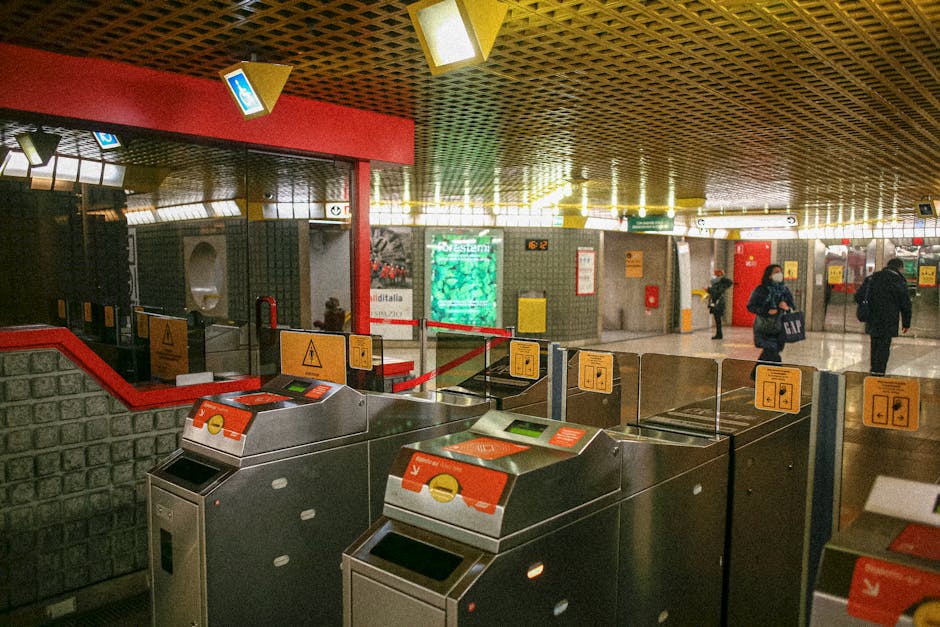
At metro stations, tap your RioCard at the turnstile to enter. Most gates register the fare on entry only. If you’re leaving and plan to re-enter that same station quickly, be aware of any local transfer rules described on station posters.
VLT (tram/light rail)
Tap at validators on platforms or on the vehicle itself. The VLT network runs through central areas and is especially useful for short hops along the waterfront.
Ferries
Some ferry terminals use turnstiles with card readers. Present the card at the reader before boarding. If there is a staffed booth, they will direct you to the correct gate.
How to check your balance and recent trips
Balance visibility is a must to avoid surprise refusals. At metro turnstiles and vending machines you can view current credit. Many validators display the remaining balance right after you tap. If you have the official app or registered card, log in to see recent transactions and the remaining value.
Lost card, damaged card, or unexpected charge — recovery steps
Misplacing a card or finding an unexpected balance drop is stressful but manageable. If you registered your card, contact customer service immediately using the number or online form on the official site to block it and request a replacement. For anonymous cards, balance recovery is often impossible, so register the card as soon as practical after purchase if you want protection.
For a physically damaged card that no longer reads, take it to a metro station service desk or authorized retailer. Staff can usually verify recent transactions and, if your card is registered, transfer credit to a new card. Keep receipts and notes about when and where you last used the card; those details speed the process.
Common hiccups and how to fix them fast
- Validator rejects the card: Some readers reject cards if they’re scratched or held too far from the sensor. Move the card slowly toward the reader and hold it steady at chest level for a second. If a reader still rejects it, try a nearby validator or go to the station counter.
- Top-up not reflecting immediately: If you recharged online, allow a few minutes for processing. If it still doesn’t show after 10–15 minutes, visit a service counter with your payment proof.
- Unexplained fare: Check recent transactions on a machine or app. If something looks wrong, keep receipts and ask staff to review the dispute procedure.
Smart habits for visitors and busy commuters
Carry a small amount of cash for first-time purchases or kiosks that don’t accept cards. Use a slim wallet or phone case that keeps the RioCard separate from other contactless cards—multiple contactless items held together can confuse a reader. Always keep a backup plan: note where the closest station or lotérica is for emergency recharges.
If you travel during rush hours, board with the card already out rather than searching for it. The quicker you tap, the better the flow through crowded doors. For multi-leg journeys, calculate a realistic total and top up in one go to avoid multiple stops for small amounts.

Cost considerations and fare integration
Fares vary by mode and time of day. Integrated fares and transfer discounts exist on many routes, but the rules change depending on the specific corridor and operator. Look for clear signage at terminals explaining transfer windows and conditions. If a route supports integration, tapping during a transfer sequence often triggers a discounted fare automatically.
If you plan long days of sightseeing, track how many rides you’ll take and approximate the daily spend. For frequent commuters, a personalized card may allow monthly passes or concessions. Check with station staff about available pass options and the steps to apply.
Accessibility and special categories
There are concessions for students, seniors, and people with disabilities. These options usually require documentation and registration; discounted cards are personalized and need verification at a service counter. If you or a companion qualify, bring relevant ID and proof to a ticket office to apply.
Security and privacy tips
Because RioCard uses RFID, avoid leaving it in outer pockets where it can be read inadvertently. Use sleeves or a dedicated compartment. If you register the card, the operator can block it remotely if it’s stolen, preventing unauthorized use. When disposing of an old card, stop using it immediately and, if possible, request deactivation.
Local phrases that help at kiosks and stations
You don’t need fluent Portuguese, but a few phrases smooth the process: say “Tenho cartão?” to ask if they sell cards (or simply show the card and the word “cartão” written down). Ask “Posso recarregar?” when you want to top up. Staff in busy stations often understand basic English, especially near tourist hubs, but keeping cash ready and pointing at the machine’s screen speeds things along.
When to consider alternatives to the RioCard
For a single short trip, cash or single-ride paper tickets might be simpler, especially if you’re boarding at a non-staffed stop where top-ups aren’t convenient. Some visitors prefer ride-hailing apps for door-to-door trips late at night or when carrying lots of luggage. But for repeated short trips inside the city, the RioCard still saves time and stress.
Frequently asked questions travelers actually ask
Can multiple people use the same card?
Cards are designed for one user per trip. Sharing a single card for simultaneous boarding by different people will trigger access denials when two taps occur concurrently. If you’re traveling in a group, get one card per person.
Does the card expire?
Cards may have an inactivity policy. If you buy one and don’t use it for a long period, check the terms at the point of sale. Registered cards often have a clearer support pathway if something goes wrong after a long pause in usage.
Can I get a refund for leftover balance?
Refund policies vary. Registered users who return a card and request a balance refund usually follow a formal procedure. For anonymous cards, small leftover amounts may not be refundable. Ask a service desk about the official refund steps before you abandon a card with unused credit.
Final travel-minded recommendations
Buy a reusable card at your first convenient station, register it if you want protection, and top up with enough credit for the day. Keep the card separate from other contactless items, and use official machines or counters for larger recharges. When something goes wrong, staff at metro counters are the fastest route to clarification. With a few small habits you’ll move through Rio’s transport network confidently and spend more time enjoying neighborhoods, beaches and viewpoints than waiting at doors or counting change.