

- Why Brazil’s street food scene deserves attention
- Quick rules you can use immediately
- Generally safe choices: hot, freshly cooked, and high-heat items
- Foods that often carry more risk
- Ten practical signs of a trustworthy vendor
- Drinks, ice, and small decisions that make a big difference
- Allergies, dietary restrictions, and asking the right questions
- If your stomach protests: what to do
- How to eat like a local without taking unnecessary risks
- Quick portable food-safety checklist to keep in your phone
Why Brazil’s street food scene deserves attention
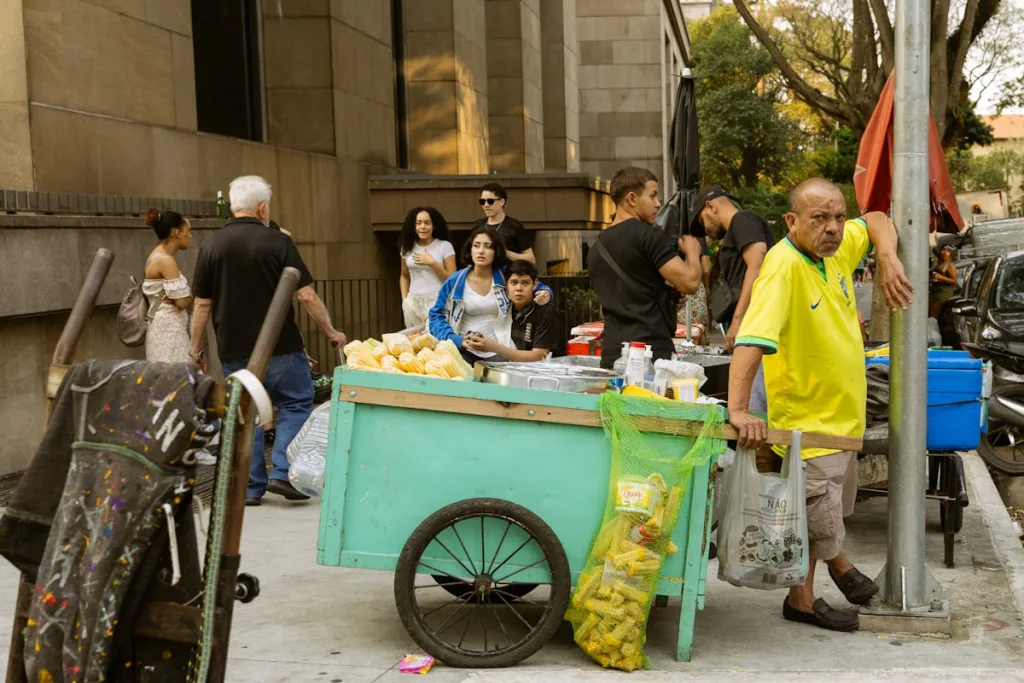
brazilian street food is lively, regional, and often stands as the fastest route to great local flavors: crisp pastéis in São Paulo, acarajé sizzling in Salvador, espetinhos grilled on the corner in Rio. That vibrancy comes with trade-offs. Street stalls operate outside formal kitchens, so food safety depends on vendor practices and how the food is handled after it’s cooked. You don’t need to avoid street food entirely; you just need a practical eye and a few habits that prevent most problems.
Quick rules you can use immediately
Before ordering, run a quick mental checklist. If food is cooked hot in front of you, it’s safer than something sitting out cold. If a stall has a steady line, the turnover means the food is fresh. If there’s visible cross-contamination—raw meat next to ready-to-eat items—that’s a red flag. Keep your senses engaged: smell, sight, and direct observation will tell you more than menu descriptions.

Generally safe choices: hot, freshly cooked, and high-heat items
Foods cooked at high temperatures and served immediately are your best bets. Deep-fried and grilled items reach temperatures that kill most pathogens, and quick serving minimizes the time bacteria have to regrow.
- Pastéis and coxinha — deep-fried dough with savory fillings. Eat while warm; avoid those sitting in trays for hours.
- Espetinhos and churrasquinho — skewered meats grilled over coals. Watch that the meat reaches an obvious well-done appearance and is pierced fresh from the grill.
- Tapioca — cassava-based crepes cooked on a hot griddle. The griddle’s heat cooks the batter instantly, cutting risk.
- Acarajé — black-eyed-pea fritters fried in dendê (palm oil). The exterior frying is protective; check how long sauces or fillings have been sitting, as these can be the weaker link.
Foods that often carry more risk
Some popular items are delicious but more prone to spoilage or contamination if mishandled. That doesn’t mean avoiding them forever—just be selective.
- Pre-cut fruit and salads — they’re frequently washed with local water and then left at ambient temperature. If a vendor prepares fruit to order and uses clean utensils or bottled water for rinsing, risk drops.
- Cold sandwiches with deli meats or mayonnaise-based fillings — if the sandwich has sat unrefrigerated, bacteria can grow quickly. Buy these only from stalls with high turnover.
- Raw or undercooked seafood — ceviche-style preparations and raw fish are common in coastal areas but rely on very fresh ingredients and clean handling to be safe.
- Dairy-based sweets and cream-filled pastries — creamy fillings spoil if left warm for hours. Choose freshly made items or those kept cool.
Ten practical signs of a trustworthy vendor
When you’re in front of a stall, spend 30–60 seconds observing. This short inspection prevents most issues.
- There’s a line. Local customers often know where food is reliably good and safe.
- Food is cooked to order or served piping hot from the fryer or grill.
- Separate areas or containers for raw ingredients and cooked items; no obvious cross-contact.
- Clean utensils and serving tools—no dirty cloths soaked in old grease.
- Covered containers for condiments and ingredients; minimal exposure to flies or dust.
- Vendors use tongs or gloves for finished food (gloves aren’t a guarantee, but they reduce direct hand contact).
- Visible handwashing station or at least hand sanitizer available.
- No stale or rancid smells; food odors should match the dish being prepared.
- Ice for drinks looks clear and is stored covered; avoid cloudy, slushy ice that suggests poor sourcing.
- Prices and portions are consistent—extreme discounts sometimes signal stale products being cleared out.
Drinks, ice, and small decisions that make a big difference
Beverages are a frequent source of trouble because of ice and water. Opt for sealed bottled water when available. Água de coco (coconut water) sold straight from a freshly opened coconut is safe if the vendor opens it in front of you. Hot beverages—coffee and tea—are safe because boiling kills pathogens. Fresh juices are fine if you can confirm the water used for diluting or cleaning is bottled or filtered.

Avoid drinks with ice of unknown origin. Markets sometimes make ice from municipal water that isn’t treated to your home standard. If you can’t verify the ice source, order drinks without ice or ask for beverages in sealed bottles.
Allergies, dietary restrictions, and asking the right questions
Brazilian street food often mixes multiple ingredients in the same pan or fryer. If you have allergies, speak up immediately. Ask directly how the food is prepared: “Do you use the same oil for seafood and other items?” or “Is there dairy in this filling?” Vendors are used to quick questions and usually answer plainly. If the answer is vague, choose another dish.
If your stomach protests: what to do
Mild digestive upset happens even to cautious eaters. Carry a small kit: oral rehydration packets or electrolyte powder, plain crackers, and a basic anti-nausea or antidiarrheal medication if your doctor has recommended it. Rehydrate first; dehydration from diarrhea causes most complications. If you experience high fever, persistent vomiting, bloody stools, or severe abdominal pain, seek medical attention promptly—local clinics in major cities are familiar with traveler cases.
How to eat like a local without taking unnecessary risks
Locals are the best guide. Watch where residents queue for the evening snack or where street vendors renew lines after a lunch rush. Favor stalls that prepare food in view, avoid those with long trays of lukewarm food, and choose dishes that match the vendor’s specialty—that focus usually means better technique and turnover. Finally, trust your instincts: if something looks off, pass on it without feeling guilty. The next corner will likely have another option.
Quick portable food-safety checklist to keep in your phone
When you’re exploring markets or late-night stalls, use this short checklist: choose hot or freshly cooked; prefer places with a line; avoid unknown-ice drinks; skip pre-cut or pre-sauced cold items unless made to order; ask about ingredients if you have allergies; keep hand sanitizer handy. These small actions let you enjoy Brazil’s street food scene with far less risk.