
Why Rondônia deserves your curiosity
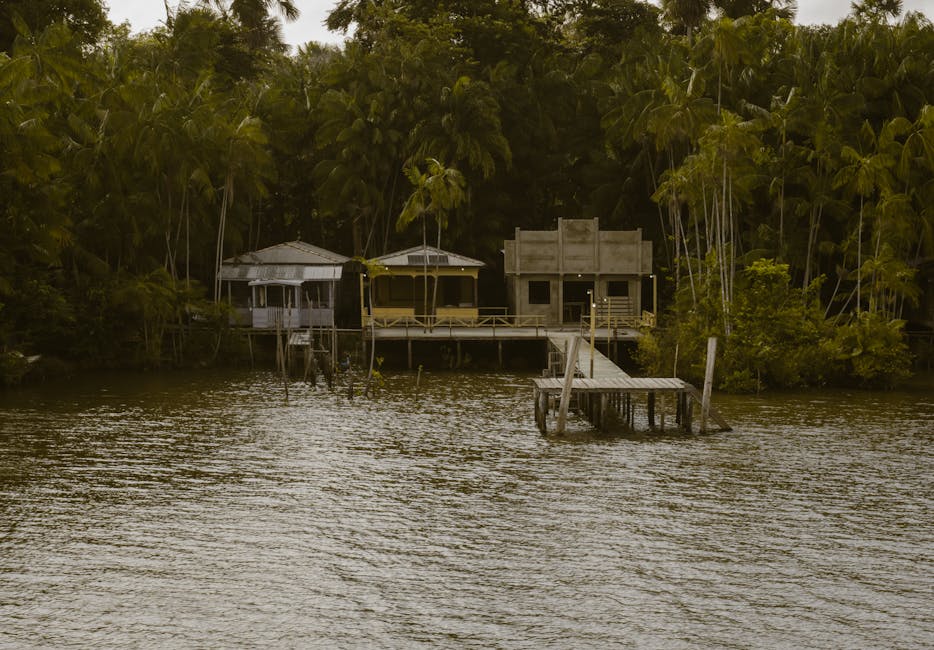
Most travelers who say they’ve “been to the amazon” picture Manaus, river cruises, and the meeting of the Negro and Solimões rivers. Rondônia requires a different imagination: it’s a place where river culture mixes with frontier agricultural history, where remnants of rubber-boom towns sit beside coffee plantations and protected forest, and where the Madeira River still dictates life as it always has. Visit Rondônia and you’ll find fewer tourists, more direct encounters with everyday Amazonian brazil, and landscapes that shift from dense floodplains to rolling savanna at the state’s southern edge.
How to get there (and why Porto Velho matters)
Porto Velho is the practical gateway. Most international visitors connect through Brasília, Manaus, Cuiabá, or São Paulo to reach flights into the capital. Land travel is possible but lengthy: BR-364, the main highway cutting across Rondônia, links the state to western Brazil. The road tells part of the story—truck convoys, roadside markets, and towns that grew up with the highway. If you’re planning to explore deeper, use Porto Velho as your base: it has the most lodging options, river services, and access to regional flights and boat departures.
Rivers define rhythm—plan around water
The Madeira River is Rondônia’s spine. River travel still makes sense here: ferries, wooden launches, and small passenger boats connect riverside towns and islands. The river’s level determines schedules, accessibility, and even what’s on the menu—fish varieties and flooded-forest fruits change with the seasons. For practical planning, target the drier months (roughly May through September) for easier overland driving and clearer trails; the wet season (roughly November through April) offers dramatic river scenery and excellent reptile and amphibian activity but expect muddy tracks, fewer road options, and occasional ferry delays.
A quick cultural map: towns and what they offer
Porto Velho brings museums, riverfront life, and the history of the Madeira-Mamoré Railway—think restored stations, old steam engines, and stories of ambitious engineering. Ji-Paraná is the state’s agricultural heart; expect the smell of coffee processing, regional markets, and a sense of frontier urbanism. Cacoal and Rolim de Moura show why Rondônia is also a coffee state: plantations, rural pousadas, and coffee tours are available if you ask locally. Head west to Guajará-Mirim for border-town vibes and boat trips toward Bolivian riverside communities. If you want scenery that shifts—savanna and cerrado mixing into Amazon forest—Vilhena and the state’s southern municipalities provide that contrast.
Wild places worth the effort
Pacaás Novos National Park is a top pick. The park preserves a mosaic of Amazonian and cerrado ecosystems, and its trails reward patient birdwatchers and hikers with species typical of both environments. The park’s remoteness means planning with local guides and staying flexible for weather and transport. For more river-focused exploration, take multi-day launches from Porto Velho to riverside communities and forest islands—these trips reveal caimans on the banks at night, families fishing at dawn, and the layered acoustic world of jungle mornings.

Wildlife and birding—why this is a quiet gem
Rondônia doesn’t compete with the spotlight regions, which is its advantage. Birding here feels intimate: macaws and parakeets move through fragmented forest corridors, tinamous and antbirds hide in the understory, and raptors patrol open savanna edges. Mammal spotting requires patience—howler and capuchin monkeys are common near rivers, while smaller nocturnal mammals show up around lodges after dark. If you’re interested in river mammals, ask locally about sightings of river dolphins and manatees; sightings are irregular but possible in large river channels and protected tributaries.
Indigenous presence and respectful travel
Rondônia includes indigenous territories and communities with deep cultural knowledge and claims on land use. Indigenous-led tourism exists but requires sensitivity: visits usually happen through authorized programs or in partnership with NGOs and local organizations. If you’re interested in cultural visits—craft demonstrations, guided walks, or language exchanges—arrange them through reputable local operators. Respect requests about photography, gifts, and sharing of cultural practices. These communities are living cultures, not staged attractions.
Food that tells local stories
Amazonian staples—manioc (cassava), farinha (manioc flour), and river fish—anchor Rondônia’s cuisine. Try tambaqui or local river fish grilled or prepared in stews with local herbs and coconut milk. In cities and towns you’ll find regional bakeries selling pão-de-queijo (cheese bread) alongside local specialties. Coffee is surprisingly central: Rondônia produces quality coffee, and rural pousadas near plantations often offer tastings and tours. Street markets are the best education in local flavors—fresh fruit, smoked fish, and homemade conserves will introduce you to the state’s food rhythms.
Staying safe and healthy—practical, specific guidance
Vaccinations and medicines matter here. Brazil recommends yellow fever vaccination for Amazon regions; many countries now require proof for entry from certain travelers. Malaria risk exists in some rural areas of Rondônia—consult a travel clinic for current prophylaxis advice and bring insect repellant and permethrin-treated clothing. Drink bottled water where tap water is unreliable and avoid raw or undercooked foods in remote places. Carry a basic first-aid kit and have travel insurance that covers medical evacuation—cellular coverage becomes patchy outside major towns.
Accommodation—choose your flavor
Pousadas (guesthouses) and small hotels in Porto Velho offer a comfortable base. For deeper exploration pick eco-lodges or riverside pousadas that emphasize local guides and boat access; these places balance rustic comfort with knowledgeable staff who arrange wildlife outings, fishing, and community visits. Farm stays (fazenda pousadas) near coffee-producing towns let you experience rural life—coffee harvesting or processing experiences are typically seasonal, so check local calendars before booking.
Responsible travel and conservation matters
Rondônia’s dramatic recent history involves rapid agricultural expansion, cattle ranching, and infrastructure projects that reshaped the forest. The Madeira River’s hydroelectric dams—Santo Antônio and Jirau—transformed river dynamics and local livelihoods. When you travel, support projects and businesses that prioritize reforestation, sustainable livelihoods, and community benefit. Choose guides who work with local reserves or community-based conservation efforts, and avoid attractions that get close to wildlife for staged photos. Your tourist dollars can reward stewardship instead of degradation.
Local festivals and musical rhythms
Rondônia keeps Brazilian traditions alive, but with local inflections. Expect typical Brazilian celebrations—Carnival energy, June festivals with forró and quadrilha dancing, and municipal anniversary events that bring fireworks and food fairs. Smaller towns host rodeos and agricultural fairs that reveal the state’s farming culture, with live music and regional dishes. If you’re curious about local music, ask your pousada hosts to point to neighborhood bars where live bands play regional sertanejo, forró, and Amazonian rhythms—these settings are where you’ll meet residents and hear stories about daily life.
Practical itineraries—three ways to structure your trip
Short trip (4–6 days): Stay in Porto Velho. Spend a day exploring the Madeira-Mamoré Railway museum and riverfront, take a half-day boat trip to nearby islands, and use the rest of your time to visit local markets and a nearby reserve for birdwatching.
Active trip (8–12 days): Combine Porto Velho with a trip to Pacaás Novos National Park and a few nights on a riverside lodge. Include a day trip to Guajará-Mirim and an agricultural town like Cacoal for a coffee plantation visit. Add a guided night boat excursion to spot caimans and nocturnal wildlife.
Deep-immersion trip (2–3 weeks): Add community-based experiences—multi-day river journeys deeper into tributaries, guided cultural exchanges with indigenous and riverside communities (booked through ethical operators), and a visit to southern Rondônia’s savanna-savanna mosaics near Vilhena for a contrasting landscape. This timeframe lets you move slowly and notice seasonal changes.
Money, language, and daily logistics
Carry cash for small towns and markets—ATMs are reliable in Porto Velho and larger municipalities but scarce in remote areas. The Brazilian real is the currency; many places accept cards, but small vendors and river services often require cash. Portuguese is the language of daily life. You’ll manage with basic phrases: greetings, numbers, and polite requests. Locals appreciate even a little Portuguese; in many rural spots English is uncommon. Download offline maps and keep paper copies of essential addresses; GPS works in towns but loses reliability in dense forest and river corridors.

Sustainability-minded activities to prioritize
Choose ethical wildlife viewing—silent canoe trips at dawn, birding hikes with certified guides, and night launches that maintain distance from animals. Support local cooperatives by buying handicrafts directly from artisans in markets or community centers. When hiring guides, ask about their conservation work and how their fees support local efforts. If you visit plantations, favor farms with transparent labor practices and environmentally conscious production.
Common traveler questions answered
Is Rondônia safe? Urban centers are generally safe during the day; use normal precautions—avoid isolated areas at night, secure valuables, and ask locals about neighborhoods. Remote travel requires planning: reliable guides, up-to-date river schedules, and vehicle checks if you’re driving.
When is the best time to visit? For easy overland access and clearer skies pick the drier months (May–September). If you want dramatic river scenery, high water, and amphibian/reptile activity, visit during the wet season—but accept occasional travel delays.
Do I need a guide? For wildlife, indigenous community visits, and multi-day river journeys, yes. Guides provide safety, navigation, and cultural context that transforms a visit into meaningful experience rather than mere sightseeing.
How to leave a positive footprint
Travel in Rondônia purposely. Slow down and favor fewer transfers; one or two longer stays let you integrate with local rhythms and reduce carbon-intensive movement. Offset your environmental impact by supporting reforestation projects and community foundations that prioritize education and sustainable livelihoods. Learn about local issues—land rights, smallholder agriculture, and protected area challenges—and let that knowledge inform where you spend and how you advocate once you’re home.
Final practical checklist before departure
- Confirm yellow fever vaccination and consult a travel clinic for malaria advice.
- Pack mosquito protection, quick-dry clothing, and waterproof bags for electronics.
- Bring cash for markets and remote services; keep copies of important documents offline.
- Book key activities—park permits, guided river trips, and indigenous visits—through vetted operators in advance.
- Learn basic Portuguese phrases and download offline maps of Porto Velho and your planned routes.
Rondônia rewards travelers who accept its pace and contradictions: a modern state with frontier history, an Amazon under pressure yet full of resilient communities and deep forest life. It’s not the postcard Amazon, and that’s its strength—here you meet river culture, coffee country, and conservation challenges up close. Take a slow boat, listen to the river, and plan with respect: you’ll leave with stories that only come from places still finding their balance between growth and protection.