
Why Pará feels like another Brazil
Pará is one of those places that rearranges your senses: the air is humid and green, markets spill over with colors and smells you’ve never encountered, and the river decides the tempo of daily life. For foreigners who want to understand brazil beyond the postcard images of Rio, Pará offers a version of the country that’s older, wilder, and deeply rooted in Amazonian landscapes and Indigenous and Afro-brazilian histories. Expect more riverboats than highways, more manioc than wheat, and food that tastes like it was designed to be eaten outdoors, at a market stall or on a shaded veranda.
Belém: a city that eats, prays, and dances around its market
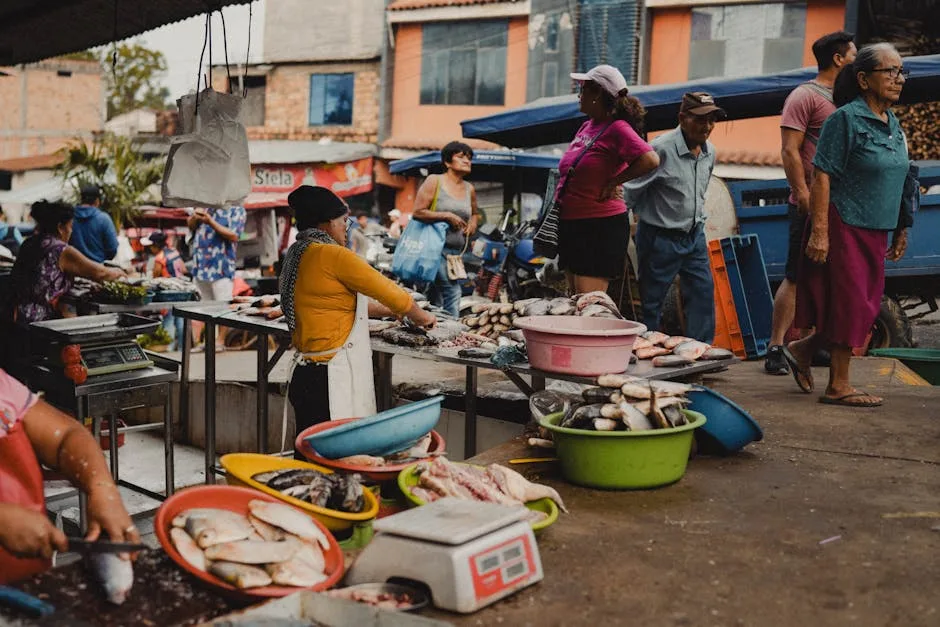
Start in Belém, the state capital and the most practical entry point for exploring Pará. Belém is noisy in the friendliest way—moto-taxis weave through colonial streets, loudspeakers advertise roasted pirarucu, and people move with the relaxed urgency of a port city. The Ver-o-Peso market is the engine of the city: a sprawling waterfront complex where fishermen, fruit vendors, herbalists, and cooks meet. Walk slowly. Taste a cup of strong Amazonian coffee, watch women arranging bowls of açaí for afternoon customers, and sample smoked fish piled next to crates of fresh tucupi and jambu.

A few other stops in Belém that pack culture and useful context: the Museu Paraense Emílio Goeldi for natural history and Indigenous artifacts; Mangal das Garças, a riverside park with observation towers and native plant gardens; and, if your timing matches, the Círio de Nazaré, an October procession that draws hundreds of thousands of people and reveals how religiosity, popular culture, and civic pride intertwine here. Belém is also a great place to acclimatize to the tropical climate and to learn a few practical Portuguese phrases—vendors appreciate an attempt at local speech, and it opens up conversations about recipes and ingredients you won’t read about in guidebooks.
How Pará’s flavors come from river and forest
Pará’s pantry is Amazonian at its core. Two ingredients dominate meals and stories: manioc (known locally as cassava) and tucupi (the yellow, aromatic broth extracted from fermented manioc juice). Manioc is everywhere—grated into farinha, pressed into tapioca, or cooked into thick, sticky cassava preparations. Tucupi is trickier: it’s toxic until properly processed, but when handled the local way it becomes the tangy backbone of several iconic dishes.
Pato no tucupi is the dish most likely to surprise visitors. Duck is boiled, then served in a fragrant black-yellow broth made from tucupi and brightened with jambu, an herb that produces a curious tingling or numbing sensation on the lips and tongue. Tacacá, a street-soup sold piping hot in plastic cups, pairs tucupi, jambu, dried shrimp, and goma de tapioca (a starchy gel); eat it standing at a market stall with locals and you’ll understand the comfort these flavors provide.
Other foods to memorize: maniçoba, a slow-cooked stew made from manioc leaves and salted meats that simmers for days until the leaves lose their toxins and become silky; grilled tambaqui, a fatty river fish with succulent flesh; and regional cheeses from Marajó island made with buffalo milk—soft, slightly salty, and unlike any semi-hard cow cheese you’ve tried. Açaí deserves a separate note: in Pará the berry is usually served unsweetened, often alongside tapioca, fried fish, or cassava flour. Expect savory açaí bowls that challenge preconceptions formed by frozen sugar-laden smoothie bowls elsewhere.
For beverages and snacks, try cupuaçu juice for a tangy tropical lift, and ask for fizzy guaraná or freshly pressed taperebá if you find a street vendor. Food tours run by local guides in Belém will take you to the stalls that prepare these dishes the traditional way, and they’ll explain regional eating habits—like why breakfast might include manioc flour and salted fish rather than cereal.
Marajó: the island that grazes on buffalo and cheese
Leave the concrete and head northwest to Marajó, a massive fluvial island where the Amazon meets the Atlantic. Marajó feels like a different pace of Brazil: schools of riverboats replace controlled intersections, and buffalo are as familiar as horses. The island’s landscape—a tapestry of flooded plains, savannahs, and sandy beaches—gives rise to a unique pastoral culture.

Marajó is famous for buffalo-based agriculture; you’ll see buffalo carts and hear the low bellow of herds from morning until dusk. Local artisans make queijo marajoara (Marajó cheese), a creamy cheese produced from water buffalo milk with a rustic, handmade character. Try it fresh with açaí or baked into a regional dish. Small pousadas and family-run restaurants serve the best home-style meals: buffalo stew, cashew-roasted fish, and desserts flavored with local fruits like bacuri or cupuaçu.
Travel to Marajó involves either a ferry or a small plane from Belém, and many visitors combine the island with a return trip to Belém markets. The island’s size means there are pockets of isolated beauty—mangrove walks, sandbars at low tide, and beaches where fishing boats anchor. If you’re interested in staying longer, volunteer-run conservation projects and small ecolodges offer the chance to learn about sustainable buffalo farming, artisanal cheese production, and traditional riverine life.
Pororoca, river beaches, and Alter do Chão’s freshwater sand
Beyond Belém and Marajó, Pará’s geography surprises people who expect only dense jungle. The Tapajós River and its tributaries carve clear-water beaches that look like tropical postcards without the ocean. Alter do Chão, near Santarém, is a short plane or long bus ride from Belém but feels like a different country: its freshwater beaches—white sand against green water—invite swimming, kayaking, and late-afternoon hammocks under carnauba palms.
The pororoca, a tidal bore that rips up the mouth of the Amazon and some tributaries, is a phenomenon to behold. It sends a wave upstream for kilometers, producing chaotic water that surfers and thrill-seekers occasionally ride. The pororoca is unpredictable and strong; never attempt to surf it without a local guide who knows the currents and safe sections. For most visitors, watching the pororoca from a safe vantage or joining a small boat tour to observe the spectacle gives plenty of thrills.
River trips in Pará vary from rustic day excursions to multi-day cruises. A common approach is a lodge-based stay where you explore tributaries by canoe, look for pink river dolphins at dawn, and learn from local guides about edible plants and medicinal trees. These experiences are immersive: expect mosquito nets, simple meals made from fresh-caught fish, and nights punctuated by animal calls rather than street noise.
Music, markets, and festivals that tell local stories
Culture in Pará is visceral. Carimbó, a dance and rhythm with Indigenous and African roots, features energetic drumming and swirling skirts and remains a living tradition in coastal communities. Tecnobrega, an electronic, dance-oriented style that emerged in Belém’s working-class neighborhoods, illustrates how Pará adapts global sounds into its own musical vocabulary—local DJs and bands mix samba, electronic beats, and melody in crowded baile parties.
Markets are cultural hubs. Ver-o-Peso isn’t just a market; it’s a place where herbalists sell remedies, fishermen trade stories with buyers, and cooks share techniques handed down through generations. Wander through the aisles and you’ll hear Portuguese, Indigenous languages, and a rhythmic local accent that sounds like music itself. Street performers, improvisational food stalls, and vendors selling carved wooden utensils or Amazonian condiments make every visit educational and delicious.
Religious life and popular devotion are also central. The Círio de Nazaré in Belém is an annual display of collective identity—processions, music, and devotion that fuse faith with a regional sense of belonging. If you visit during festival times, respect local customs: join the crowd if invited, follow the rhythm of celebrations, and ask questions about what rituals mean to local participants.
Practicalities that make travel smoother
Vaccinations and health: The Amazon region carries different health considerations than coastal cities. Yellow fever vaccination is recommended for travel to many parts of the Amazon; some countries require proof of vaccination on re-entry. Malaria risk exists in rural and riverine areas, so consult a travel clinic before you go for the most current prophylaxis advice. Carry insect repellent with DEET or picaridin, use long sleeves at dusk, and sleep under a mosquito net if your lodge doesn’t provide one.
When to go: Weather in Pará is dominated by rain and river levels. The wet season brings dramatic river rises and heavy daytime rains; the dry season exposes riverine sandbanks and inland beaches. If you want to see low-water beaches and easier boat navigation to some sandbanks, plan for lower river levels; if you prefer lush forest and overflowing rivers, pick the wetter months. Check local forecasts and ask lodges about current conditions—boat schedules and trail access change with the river.
Money, connectivity, and services: Bring cash for markets and small towns—many stalls and ferries refuse cards. ATMs work in Belém and major towns, but not everywhere. Wi-Fi is common in hotels and cafés in big towns; expect sparse or slow connectivity in remote lodges. If you rely on maps, download offline maps before you go: cell coverage becomes patchy beyond urban centers.
Language and etiquette: Portuguese is the language. Learn simple phrases—greetings, thank-yous, and how to ask for a menu. Parenses (people from Pará) are warm; a polite greeting and a smile go a long way. When invited into a home or family-run restaurant, accept water or coffee if offered and arrive with modest gifts like packaged sweets or fruit if you want to show appreciation.
Safety: Pará is as safe as many large regions with urban and rural divides. In Belém and other cities, take normal urban precautions: avoid flaunting valuables, use registered taxis or ride-hailing apps after dark, and ask locals about neighborhoods to avoid. On rivers and islands, trust licensed guides and established lodges for excursions; they know seasonal hazards and local wildlife behavior better than any map or app.
A five-day sample itinerary for a first-time visitor
Day 1 — Belém deep dive: Fly into Belém in the morning. Spend the afternoon exploring Ver-o-Peso market, sampling tacacá and açaí, and visiting Mangal das Garças for sunset views over the estuary. Night: try a carimbó club or a relaxed riverside bar.
Day 2 — História and flavours: Start at the Museu Goeldi to get an ecological and anthropological orientation. Lunch on pato no tucupi at a respected local casa de comida. Afternoon: stroll historic streets, stop at the Teatro da Paz if there’s a tour, and enjoy an evening food walk with a local guide.
Day 3 — Marajó day trip or overnight: Take an early ferry to Soure or Salvaterra on Marajó. Visit buffalo ranches, taste queijo do Marajó, and walk coastal sandbanks. Overnight in a pousada to watch the island settle into evening birdsong.
Day 4 — River rhythms: Return to Belém, then catch an afternoon flight or overnight bus to Santarém (or fly to Santarém the night before if you prefer). Arrive in time to explore Alter do Chão’s freshwater beaches and local restaurants. Sunset on the sandbars is unforgettable.
Day 5 — Boat to the forest and back: Book a half-day river expedition on the Tapajós to see pink dolphins and small communities, or arrange a short lodge stay for canoe trips and forest walks. Head back to Belém in the evening or continue north if you have more time.
This itinerary compresses a lot, but it balances market culture, island life, and river landscapes so you get an impression of Pará’s varieties without feeling rushed.
How to taste like a local and leave with stories
Eat where people stand in the afternoon, not only where tourists sit. Ask for recommendations: cooks will share which stall serves the best tacacá at a given hour, or which restaurant still prepares pato no tucupi in the traditional way. When you try jambu, notice the numbness—it’s not a trick but a celebrated sensory effect. When you taste tucupi, pay attention to how acidity and the fermented manioc flavor anchor other ingredients.
Bring back small edible souvenirs that travel well: dried fish prepared as jerky, artisan cheeses from Marajó if you have a cool bag, or packaged manioc flour and local sweets. If you buy medicinal herbs or Amazonian condiments, ask vendors how to store and use them—these items often have stories attached, and sellers love to explain their uses.
When Pará surprises even seasoned Brazil lovers
Visitors often expect rainforest solitude and find vibrant ports full of energy; others expect only rural isolation and discover thriving urban subcultures like tecnobrega. Pará surprises because it refuses to be reduced to a single map icon. It holds an entire culinary grammar that uses manioc and tucupi as punctuation marks, a calendar of festivals that stitch communities together, and landscapes that alternate between flooded savannahs, clear-water beaches, and rainforest so dense you can hear the canopy breathe.
If you’re the sort of traveler who likes to ask a cook what goes into a dish, who enjoys markets where the language is as much gesture as words, and who wants to move slowly between cities and rivers, Pará will give you stories to tell and flavors that will still linger months after you’ve returned. Pack a sense of wonder, a few Portuguese phrases, and an appetite for unexpected combinations—this region rewards curiosity more than any pre-planned itinerary.
Quick phrasebook for food and travel
Obrigado/Obrigada — thank you (male/female speaker)
Onde fica…? — Where is…?
Quanto custa? — How much?
Posso experimentar? — May I taste?
Sem açúcar, por favor — No sugar, please (useful for açaí)
Tem opção sem glúten? — Any gluten-free options?
Pará is a patchwork of riverside towns, island pastures, and a capital that acts like both port and cultural capital. Come hungry—for food, for stories, and for experiences that remind you how big and varied Brazil truly is.