
First footsteps: why Ilha do Mel feels different
Stepping off the boat at Ilha do Mel is always a small disorientation—in the best way. The air smells of salt and eucalyptus, the paths are sand and boardwalk, and instead of traffic noise you hear gulls and distant surf. This island, off the coast of Paraná in southern brazil, keeps things intentionally slow: no cars, limited commercial development, and an emphasis on nature. Visitors arrive for the beaches, the lighthouse views, the old fort, and a way of traveling that feels more like visiting a small coastal community than a typical beach resort.
First steps: arriving and orientation
Most travelers reach Ilha do Mel by boat from either Pontal do Sul or Paranaguá. Ferries and smaller launches run frequently during daytime hours—start your journey early or late-morning if you want daylight to find your pousada. If you drive to Pontal do Sul you’ll find paid parking lots near the pier; leave the car there and carry what you need onto the boat. The boats drop passengers at small docks close to the inhabited villages. From there it’s all walking, biking, or the occasional mule cart: backpacks and comfortable shoes are your best packing choices.
Why cars stay ashore
Ilha do Mel enforces a car-free environment as part of its protected-area status. Trails, boardwalks and sandy lanes preserve dunes and native vegetation, and the lack of cars keeps the island quieter and safer for wildlife. That doesn’t mean the island is undeveloped—there are guesthouses, restaurants, and small stores—but everything is scaled to human pace. Expect to carry your luggage short distances or pay a local porter if you have a heavy load.
Where to drop your bag and your appetite
Two names matter for visitors: Nova Brasília and Encantadas. Nova Brasília is where the lighthouse sits and has a handful of pousadas and bars clustered around a small pier. Encantadas offers intimate beaches and a few more laid-back guesthouses and eateries. Both villages serve fresh seafood and simple Brazilian coastal plates—moqueca-style stews, grilled fish, and fried seafood snacks—served family-style in beachside restaurants. Nightlife isn’t loud; instead you’ll find sunset conversations, acoustic guitar at a bar, or a quiet dinner under strings of lights.

The lighthouse, the fort, and the cave: islands of history and geology
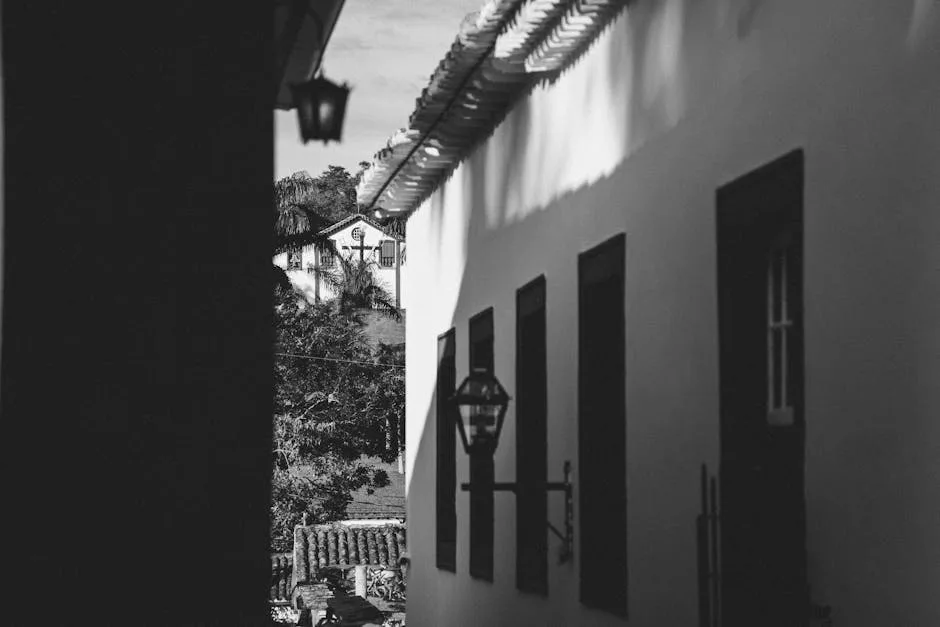
Among the island’s unmistakable icons is Farol das Conchas, the Conchas Lighthouse. It perches on a rocky point that rewards a short, sometimes steep climb with panoramic views across the Atlantic and the surrounding bays. Nearby sits a historic fortification—an old military structure that reminds visitors the island once had defensive importance for Paraná’s coast. A short hike reveals the Gruta das Encantadas, a sculpted sea cave whose dark mouth frames the ocean like a natural gallery. These sites are compact and walkable in a day, but the best experience is to slow down: photograph the contrasts of stone and surf, then sit and listen.
Salt, surf, and slow activities
The island suits a wide range of rhythms. If you want pace, the open east-facing beaches catch Atlantic swell and bring surfers; if you prefer calm, sheltered bays on the island’s interior provide snorkeling and easy swimming. Kayaks and stand-up paddleboards are available seasonally from local providers. Birdwatchers will notice waders and shorebirds in the mangrove edges, and evening walks often yield hermit crabs and tidal life revealed in rock pools. For a cultural touch, time your visit to coincide with local festivities—small religious or community celebrations happen sporadically and are warm, unpretentious chances to meet residents.
Practical kit for an island trip
Pack light but smart. Good walking sandals or trail shoes suit sandy tracks and rocky viewpoints. Bring reef-safe sunscreen, a reusable water bottle, and insect repellent for dusk. Power is available island-wide, but outages happen occasionally; a small headlamp or flashlight is handy for evening strolls. Carry cash: there are limited card terminals and ATMs off the island. Cell signal is patchy in places—download maps or directions ahead of time. Finally, if you rely on specific medicine, bring extra; local pharmacies are small and may not stock international brands.
Timing your visit: when the island is at its best
Ilha do Mel is pleasant year-round, but seasons affect the mood. Brazilian summer (December–February) is busy with holiday crowds and school vacations; expect higher temperatures and more people. The autumn shoulder months (March–May) and spring (September–November) offer mild weather, fewer tourists, and clearer pathways for hiking. Rain tends to spike in summer, so if you want dry sand and long sunny days aim for the shoulder seasons. If you enjoy lively, local beach culture and don’t mind crowds, a summer visit delivers a festive atmosphere.
Moving around: trails, boardwalks, and the rhythm of walking
Distances on Ilha do Mel are short but surfaces vary: compacted sand, wooden boardwalks, and narrow dirt paths that weave among dunes and forest patches. Maps posted at key junctions help orient you, but the simplest rule is to follow the coastline—most landmarks and settlements hug the shore. Bicycle rentals exist in low numbers and are useful for short hops between points, though riders should be comfortable on sand and share narrow lanes with pedestrians. There’s no rush: a good walk with stops takes you past birds, viewpoints, and the kinds of little shops that sell iced coconut water or a handmade snack.
Responsible travel: how to keep Ilha do Mel wild
Ilha do Mel’s charm relies on restraint. The island is protected in parts by the Parque Estadual Ilha do Mel, and rules reflect that protection. Stay on marked trails to preserve dune vegetation, don’t light fires on the beach or in the dunes, and do not remove shells or rocks. Carry out any trash you bring onto the island; locals rely on tourism but not at the cost of the environment. The paths are narrow and wildlife is visible—keep a respectful distance from nesting birds and any reptiles you encounter. Small changes in behavior—choosing reef-safe sunscreen, reusable containers, and low-impact transport—add up when many visitors follow the same principles.

Food, markets, and what to try
Meals on the island are straightforward and focused on freshness: grilled fish, fried plantain, casquinha (seafood in shells), and seasonal fruit. Small restaurants often post a daily catch; ask what’s freshly landed. Bakery items and quick snacks—pão de queijo, coxinha, and fresh fruit juices—are easy to find near the main piers. If you’re staying in a pousada, ask hosts about the best restaurants for a quiet dinner or for a casual evening with locals. Bring some staples from the mainland if you have dietary restrictions—specialty items and larger grocery stores are limited on the island.
Safety and medical basics
Ilha do Mel is generally safe, but basic precautions make any trip smoother. Watch the surf flags and local advice before swimming—Atlantic currents can be strong along exposed beaches. Keep valuables secure and avoid leaving items unattended on the sand. There’s a small health post on the island able to handle minor injuries; for anything serious you’ll need evacuation to the mainland, so travel insurance with medical evacuation coverage is a wise precaution for international travelers. Also, check vaccination recommendations and bring a small first-aid kit to treat scrapes, blisters, or insect bites.
A tidy 3-day plan that respects island time
Day 1: Arrive by mid-morning, drop bags, and walk the nearby beach. Spend the afternoon exploring the village, tasting seafood at a family restaurant, and catching sunset at a western-facing point. Day 2: Hike to the lighthouse and fort, visit Gruta das Encantadas, and have a late picnic on a quieter beach. Reserve late afternoon for snorkeling or a paddle. Day 3: Choose a slow morning—visit a local market, take a short birdwatching walk, and leave the island by early afternoon to avoid late-evening ferries. This plan keeps travel times short and gives space for the island’s unplannable delights: a chance encounter with a local fisherman, or an unexpected clear-sky evening for stargazing.
Where Ilha do Mel fits in a broader Paraná visit
Ilha do Mel pairs naturally with a broader exploration of Paraná’s coast and interior. Pair the island with a visit to the colonial port city of Paranaguá, where regional history and port culture contrast with the island’s relaxed pace. Drive inland for rainforest reserves or head toward Curitiba, the state capital, for museums and urban culture. For travelers who want both nature and culture, Ilha do Mel acts as a coastal anchor: an easy-to-reach place to slow down before heading into Paraná’s other landscapes.
Small customs and language tips
Portuguese is the language of daily life on Ilha do Mel. You don’t need fluency to enjoy the island, but a few phrases go a long way: bom dia (good morning), por favor (please), obrigado/obrigada (thank you), and a simple posso pagar com cartão? (can I pay by card?). Locals are used to foreign visitors and appreciate polite attempts at Portuguese. Tipping is discretionary but appreciated in restaurants and for luggage help; round up or leave 5–10% for good service.
Leaving the island: final considerations
On departure day, check ferry schedules and arrive at the dock early if you’re traveling during a busy holiday weekend. Secure souvenirs and leftovers—shops close earlier than in a city—and make sure you’ve reclaimed any parking arrangements on the mainland. As you board the boat, take a last look at the shoreline: the slow pace, the dunes, that particular quiet. Ilha do Mel won’t feel like a getaway where everything is done for you; instead it rewards the traveler who slows down, listens, and leaves with less than they brought.
Practical links and next steps
Plan logistics on the mainland in Pontal do Sul or Paranaguá—parking, ferry tickets, and last-minute supplies. Book pousadas in advance during peak dates, and ask hosts about current trail conditions and any access restrictions near protected areas. If you want to layer the trip with adventure, add kayaking or a guided birdwatching tour. If you go, bring curiosity, good shoes, and a commitment to keeping the island wild.