

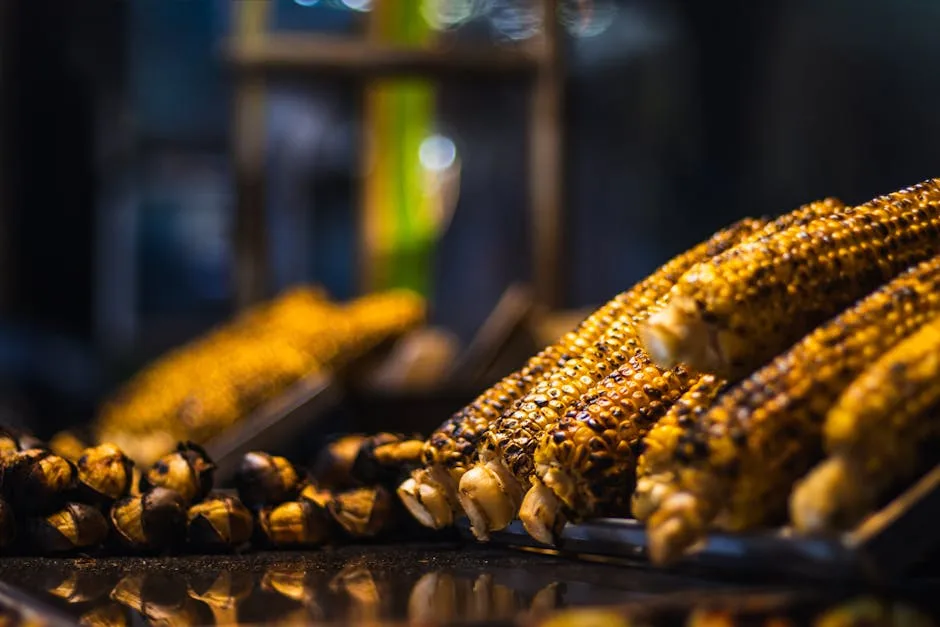
Summer nights lit with paper lanterns and the smell of grilled corn
festa junina is one of those celebrations that hits every sense at once: bright banners overhead, the crackle of bonfires, and an open-air parade of food stalls where the scent of cinnamon and roasted corn competes with frying oil. If you only remember one thing from these fairs, remember this—corn is not a single ingredient here; it’s a culinary language. From chewy bites to silky puddings, the festival turns every version of corn into a thing meant to be eaten hot, cold, sticky, crunchy, or spooned straight from a bowl.
Why corn rules the table
Corn arrived in Brazil centuries ago and quickly became a cornerstone of rural diets. At Festa Junina, that history shows up in recipes that are straightforward but fiercely satisfying: whole ears roasted over coals, tamale-like parcels steamed in corn husks, cakes made from fresh kernels and cornmeal, and puddings thickened until they hold a spoon upright. Walk any festival row and you’ll see families—grandparents to toddlers—passing plates and comparing textures. That communal sharing is part of the point: food is the social currency of June parties.
Must-try corn classics
Start with the obvious but indispensable: milho cozido, or simply boiled corn. It’s usually sold hot, buttered, salted, sometimes rolled in grated cheese. Then there’s pamonha, a dense, mildly sweet paste made from grated green corn and cooked inside the husk; cut it open and the steam carries the pure scent of corn with a hint of sweetness. Curau is another essential—smooth, thick corn custard made from fresh kernels, milk (or sometimes coconut milk), and sugar, topped with cinnamon. Canjica is different: it uses dried white hominy kernels simmered with milk, sugar, and cinnamon until the grains collapse into a creamy porridge. Each of these offers a distinct texture and a different way to appreciate the same vegetable.
Where the sweets take center stage
Sweets are the heartbeat of Festa Junina. Paçoca and pé-de-moleque are peanut-based stars you’ll bump into at every turn. Paçoca is a powdery block of ground roasted peanuts mixed with sugar and a touch of salt; it shatters in the mouth. Pé-de-moleque is a denser peanut brittle where roasted peanuts are suspended in caramelized sugar—chewy and crunchy at once. Cocada is coconut, caramelized until it’s sticky or set into little squares; expect varied textures depending on the stall. Rice pudding—arroz doce—is often present too, spiced with cinnamon and brimful of nostalgia for many Brazilian families.
Savory bites and the festival’s comfort foods
Not every Festa Junina bite is sweet. The savory stalls are where you catch people grabbing a quick plate to keep the party going. Pastéis (fried pastry pockets) with fillings like cheese or ground meat sit alongside espetinhos—small skewers of grilled meat that are easy to eat while standing. Cuscuz, the northeastern steamed corn cake, appears both plain and crowned with butter, cheese, or shredded coconut. For a heavier, homely option, you’ll find bolos (cakes) made from fubá, the yellow cornmeal; these are dense, slightly crumbly, and designed to soak up a cup of coffee or a swig of a warm drink.
Drinks that warm up the festa
Nights in June can get unexpectedly cool in many parts of Brazil, and the traditional beverages are built to chase that chill away. Quentão is a hot, spiced drink traditionally made with cachaça, lots of fresh ginger, sugar, and spices like cinnamon and cloves. The alcohol warms while ginger and spices open the sinuses—a festival remedy for the cold. In some regions you’ll find vinho quente, Brazil’s take on mulled wine, especially where red wine is plentiful. Nonalcoholic versions of quentão use ginger tea and condensed sugar for the same warming effect; vendors often serve both so families can enjoy the ritual together.
Street-smart ordering: what to ask for and how to eat it
Approach the stalls like a local and you’ll get more than just food—you’ll get stories and tips. If you want a clean, handheld treat, ask for pamonha unwrapped; grab a napkin and bite away from the tapered end. For curau or canjica, request a small bowl to sample before committing to a larger portion—these sweets are rich and the textures vary from silky to lumpy depending on the recipe. If you’re buying from a grill, ask for espetinho with a squeeze of lime; the citrus brightens fatty meat nicely. And never, ever be shy about asking the vendor how they make something—recipes vary wildly from town to town, and the vendors usually love explaining their approach.
Regional variations you’ll notice
Brazil is vast, and Festa Junina menus change with geography. In the Northeast, canjica (often labeled mugunzá locally) may be enriched with coconut milk and bits of dried fruit. In the Southeast you’ll find more dense cakes like bolo de fubá served with coffee. The South turns up heartier grilled offerings to contend with colder nights. These differences aren’t subtle; they reflect agricultural patterns and family cookbooks handed down through generations. Tasting across regions is like sampling a living map of Brazil’s rural kitchens.
What to avoid and allergy notes
Peanuts are everywhere—paçoca, pé-de-moleque, and many vendor recipes use them liberally—so if you have a peanut allergy, approach stalls with caution. Many corn-based foods are naturally gluten-free, but cross-contamination with wheat from fried pastries or shared utensils happens. If you have dietary restrictions, ask vendors directly about ingredients. Most are happy to explain, and many spots offer straightforward vegetarian options like pamonha or milho cozido that don’t rely on animal products.
Bring the festa home: simple recipes and shortcuts
You don’t need a bonfire to recreate Festa Junina flavors. For a quick curau, grate fresh corn kernels (or pulse frozen, thawed kernels), blend with milk and a pinch of salt, simmer until thick, and finish with sugar and cinnamon. For pamonha at home, use grated fresh corn mixed with sugar and a bit of coconut milk, spoon into clean corn husks, and steam for about 40 minutes. Paçoca can be made in a food processor by pulsing roasted peanuts with sugar and a pinch of salt until it forms a sandy texture—press it into molds and let it set. These shortcuts keep the spirit of the festival without a long shopping list or specialty equipment.
How to pair drinks with different dishes
Match texture and flavor weight. Light, mildly sweet dishes like curau go well with coffee or a black tea. Rich, caramelized sweets—pé-de-moleque and cocada—pair beautifully with strong, bitter coffee or an unsweetened herbal tea to balance the sweetness. Quentão works with almost everything: its ginger and spice slices through sugar and fattiness, making it a generous companion to deep-fried pastries and dense cakes. If you prefer wine, a lightly chilled sparkling white contrasts nicely with sticky sweets and fried snacks, cutting through grease and refreshing the palate.
Festival etiquette and making the most of your experience
Festas Juninas are communal first and consumptive second. Vendors expect small talk—commenting on a stall’s specialty or asking how long they’ve been selling is part of the ritual. Bring cash: many smaller stalls still prefer it. Take small plates to share; a proper sampling involves passing items and trying a little of everything. If you’re photographing, be mindful: vendors are often happy to be in a photo, but ask quickly and smile—most will respond warmly. Finally, be patient—the best stalls draw lines; waiting often yields the tastiest, most authentic bites.
Takeaway: the essential bites to chase
If you only sample five things at a Festa Junina, make them boiled milho (a whole corn on the cob), pamonha, curau, pé-de-moleque, and quentão. Those hits cover texture (crunch, chew, silk), flavor (sweet, salty, spicy), and the seasonal warmth the festival is known for. Each bite tells part of a larger story about Brazil’s land, labor, and the way families celebrate together in June. Eat outdoors, stand in line like everyone else, and let the food lead you from stall to stall—every vendor has at least one small, perfect offering that makes the wait worthwhile.
Next time you plan a Festa Junina crawl
Pick a neighborhood that hosts multiple arraiais (party clusters), go with an appetite, and keep an eye out for signs listing specialties—some vendors are proud to advertise old family recipes. Bring reusable cutlery if you want to reduce waste, and carry a small bag for leftover treats. Above all, treat it like a conversation: each bite opens a window into someone’s kitchen, and tasting is the quickest way to learn the language of Brazil’s June festivals.