
The Electric Energy of the Arraiá
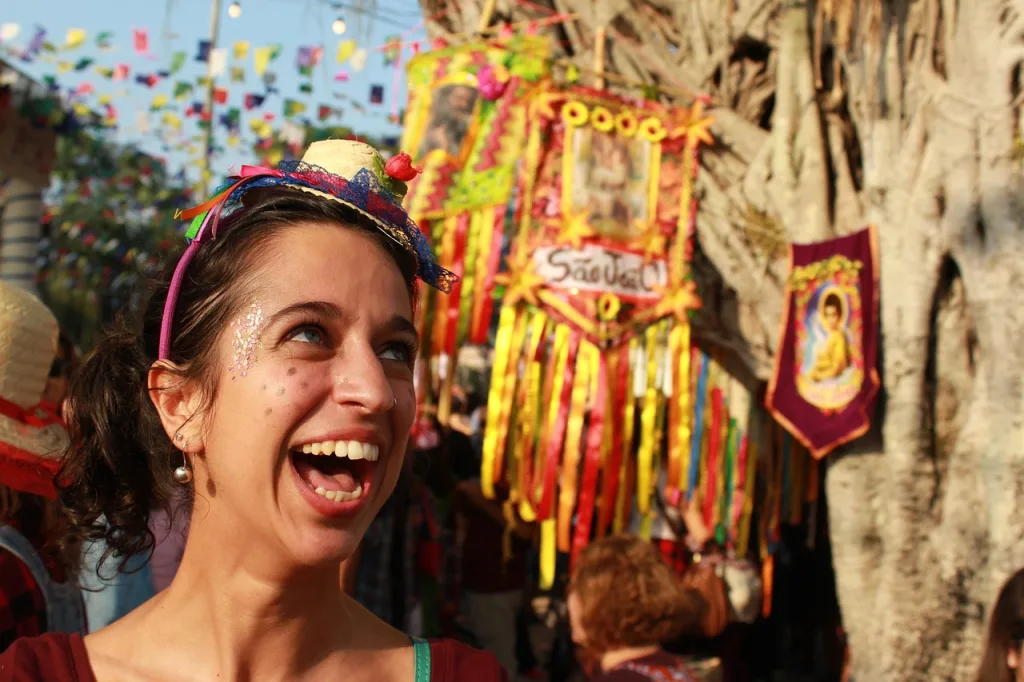
There is nothing quite like the smell of roasting corn and the rhythmic sound of a triangle and accordion to signal that June has arrived in brazil. If you find yourself traveling solo during this time, you are in for one of the most vibrant cultural experiences on the planet. Festa Junina is a kaleidoscope of checkered shirts, straw hats, and rhythmic quadrilha dances. But as the sun sets and the bonfires are lit, the crowds in cities like Campina Grande or Caruaru can become overwhelming. navigating these massive gatherings alone requires a blend of street smarts and cultural intuition.
The beauty of traveling solo is the freedom to move at your own pace, choosing which stall to visit and which concert to watch without debate. However, the density of these festivals is staggering. We are talking about millions of people packed into historic squares and specialized ‘Forródromos.’ To enjoy the quentão and the pé-de-moleque without a hitch, you need a strategy that prioritizes your physical safety while keeping the festive spirit alive. It starts with understanding the rhythm of the crowd and knowing how to blend in like a local.
Choosing Your Base Wisely
When you are solo, where you sleep matters more than just having a bed. During the peak of the São João festivities, transport becomes a logistical nightmare. Traffic jams in small interior towns can last for hours, and ride-sharing apps often experience massive surges or simply stop working in high-density areas. Aim for accommodation within walking distance of the main festivities, even if it costs a bit more. Being able to walk back to your room without relying on a late-night bus or an elusive taxi is a massive safety boost.
Look for ‘Pousadas’ that have a 24-hour reception. In the heat of the festival, having a known, secure point to return to at any hour provides peace of-mind. If you are staying further out, research the official festival shuttle lines. These are usually safer than unofficial ‘clandestine’ transport options. Establishing a relationship with the staff at your accommodation can also be beneficial; they can give you the ‘real’ advice on which streets to avoid after midnight and which shortcuts are actually safe for a solo walker.
The Art of Minimalist Packing for the Party
The golden rule for solo safety in heavy crowds is to carry as little as possible. Pickpockets are unfortunately common in large gatherings worldwide, and Festa Junina is no exception. Leave your passport, extra credit cards, and large amounts of cash in the hotel safe. You only need enough money for the night, one ID (a copy often suffices), and your phone.
Many seasoned travelers in Brazil swear by the ‘money belt’ worn under the shirt, but even a simple fanny pack worn across the chest—not the waist—can be effective if you keep your hand on it in tight squeezes.
Think about your phone usage too. It is tempting to record every second of the quadrilha, but waving a high-end smartphone in the air in a crowd of thousands makes you a target. If you need to check your GPS or message someone, step inside a store, a well-lit food stall, or near a security post. Use a wrist strap for your phone if you plan on taking photos. This prevents the ‘grab and run’ style of theft that can happen in a split second when the music gets loud and everyone is distracted by the fireworks.
Navigating the Physicality of the Crowd
Crowd dynamics are a science. In the middle of a major show, the pressure of people can become physical. If you feel the crowd pulsing or pushing, do not fight against it; move diagonally toward the edges. Solo travelers should avoid the ‘pit’ area directly in front of the stage where the mosh-like dancing or heavy squeezing is most intense. The view might be great, but the exit strategy is non-existent. Instead, find a spot near the back or sides, close to a permanent structure like a building or a sturdy fence.
Identify ‘safety islands’ as you move through the festival grounds. These are places like medical tents, police outposts, or even a specific food vendor that looks established and well-lit. If you ever feel like you are being followed or if someone is making you uncomfortable, head straight to one of these spots. Brazilians are generally incredibly helpful and communal; don’t be afraid to strike up a conversation with a family or a group of older revelers if you feel you need a ‘temporary’ social shield. Most people will be happy to let you stand near them if you explain you’re traveling alone and just want to stay safe.
Dressing for Comfort and Stealth
While the tradition is to wear colorful plaid and denim, your footwear is your most important safety gear. Forget flip-flops or open-toed sandals. In a crowd of thousands, your toes will be stepped on, and the ground will likely be covered in spilled drinks or food scraps. Sturdy, closed-toe sneakers are the only way to go. They provide the grip you need if you have to move quickly and protect your feet from the elements. Plus, if you’re dancing for six hours straight, your back will thank you.
Avoid wearing expensive jewelry or watches that scream ‘tourist.’ The goal is to blend in. A simple straw hat—bought locally—not only protects you from the sun during the daytime events but also makes you look like just another reveler. If you wear a backpack, wear it on your front in the most crowded areas. It looks a bit silly, but it is a standard practice in busy Brazilian urban environments to keep zippers within eyesight.

The less you look like a high-value target, the more you can relax and enjoy the accordion solos.
Alcohol, Hydration, and Situational Awareness
Festa Junina is synonymous with ‘Quentão’ (a hot ginger and spice drink) and ‘Cachaça.’ While partaking is part of the fun, solo travelers need to maintain a higher level of sobriety than those in groups. Alcohol numbs your situational awareness and slows your reaction time. Pace yourself. For every alcoholic drink, have a bottle of water. Dehydration in the tropical heat, combined with the warmth of the bonfires and the density of the crowd, can lead to fainting—a dangerous situation when you are alone.
Never leave your drink unattended. While ‘spiking’ isn’t the primary concern at these festivals compared to nightclubs, it is still a risk. Keep your hand over the top of your cup or bottle. Be wary of overly friendly strangers offering ‘home-made’ infusions from unlabelled bottles. Stick to vendors that have a clear setup and seem to be serving a high volume of people. Watch the vendor open the bottle in front of you whenever possible. Staying hydrated also keeps your energy up for the long haul, as these parties often go until the sun comes up.
Digital Safety and Communication
Before you head out, make sure your phone is fully charged and consider carrying a small, slim power bank. Use a tracking app and share your real-time location with a trusted friend or family member back home. Even if they are thousands of miles away, someone knowing where you are provides a psychological safety net. Take a photo of your accommodation’s business card or write the address on a piece of paper and tuck it into your shoe or a hidden pocket. If your phone dies or gets lost, you need to be able to tell a taxi driver where to go.
Download offline maps of the city. In the middle of a million-person festival, cell towers often become congested, and data speeds can drop to zero. You cannot rely on Google Maps to load in real-time when you are lost in a maze of colonial streets in the middle of a party. Having that offline map allows you to navigate without needing a signal. Also, pre-book your ride back if the city’s infrastructure allows for it, or familiarize yourself with the official ‘Ponto de Táxi’ locations, which are usually heavily policed.
The Power of Observation
Spend the first thirty minutes of your night just observing. Watch how people move, where the exits are, and how the local security forces (Polícia Militar and Guarda Municipal) are positioned. Look for the flow of the crowd. Is there a particular street where people seem to be getting agitated? Is there an area where the lighting is poor? Trust your gut. If a specific corner feels ‘off,’ it probably is. As a solo traveler, your intuition is your most valuable asset.
Notice the behavior of the locals. If you see families with children suddenly leaving an area, follow their lead. They know the subtle shifts in the atmosphere that precede trouble. Conversely, if you see people laughing and dancing openly, it’s a good sign of a safe zone. Festa Junina is a celebration of community and folklore. By staying alert and making smart choices about your belongings and your position in the crowd, you can experience the profound joy of the São João season with confidence and return home with nothing but incredible memories and maybe a slight addiction to corn cake.