
The Living Living Room: Understanding the Brazilian Beach Mindset
Stepping onto a brazilian beach for the first time is often a shock to the system for those used to the quiet, isolated stretches of sand in Northern Europe or the Pacific Northwest. In brazil, the beach isn’t just a place to look at the water; it is a sprawling, democratic living room where the entire neighborhood meets to live out their lives. There is a specific rhythm here, a social contract written in salt water and sand, and the centerpiece of this entire ecosystem is the barraca.
Unlike beaches in many other parts of the world where you bring a cooler, a heavy umbrella, and a book to hide behind, the Brazilian model is built on service and community. You don’t need to pack your car like you’re preparing for a trek across the Sahara. You show up with your swimwear, a pair of Havaianas, and maybe a canga (a versatile Brazilian sarong), and the infrastructure of the beach provides the rest. This system allows you to stay all day, shifting from sunbathing to socializing without ever needing to leave your spot for supplies.
Finding Your Home Base: The Magic of the Barraca
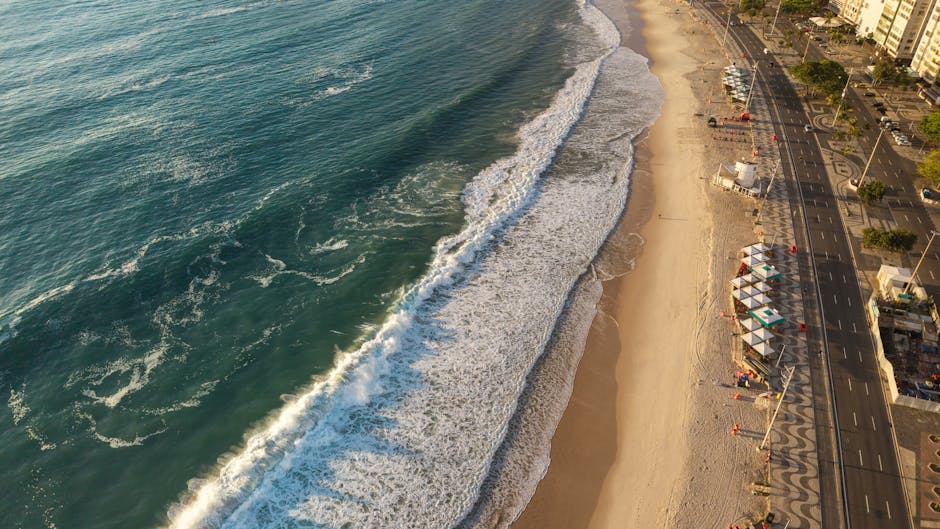
The barraca is more than just a tent or a stand; it is your embassy on the sand. These setups vary from simple stalls with a few plastic chairs to elaborate structures with industrial kitchens and sound systems. When you arrive at a beach like Copacabana, Ipanema, or Porto de Galinhas, you’ll see rows of colorful umbrellas grouped together. Each group belongs to a specific vendor.

When you choose a chair, you are effectively choosing your host for the day. This person, often called the barraqueiro, becomes your point of contact for everything.
The logistics are simple but brilliant. Usually, you don’t pay a flat fee to sit down if you plan on eating and drinking. In many high-traffic areas, there might be a small rental fee for the chair and the umbrella (ranging from 10 to 20 Reais), but this is often waived if you run up a decent tab. The unspoken agreement is that you’ll buy your water, beer, and snacks from them. In exchange, they keep an eye on your things when you go for a swim and ensure you have a constant supply of ice-cold refreshments. It’s a symbiotic relationship that makes beach-going remarkably low-effort.
The Gastronomy of the Shore: Beyond the Cooler
Forget the soggy sandwiches you might be used to. The food economy on Brazilian beaches is a marvel of efficiency and flavor. Within minutes of sitting down, your host will likely present you with a laminated menu. The staples are consistent: pastéis (savory fried hand pies), iscas de peixe (fried fish strips), and camarão frito (fried shrimp). These aren’t just snacks; they are often prepared with fresh ingredients right behind the dunes.
Then there is the drink culture. The cerveja estalando (beer so cold it’s almost cracking) is a non-negotiable requirement. It’s served in 600ml bottles kept in insulated sleeves to fight the tropical heat, shared among friends in small glasses so it doesn’t get warm before you finish it. If you aren’t a beer drinker, the caipirinha is the queen of the coast. Watch for the vendors who carry portable kits to muddle lime, sugar, and cachaça right at your chair side. It is the ultimate luxury in a very casual setting.
The Wandering Marketplace: Vendors and Their Songs
While the barraca provides your base, a secondary economy moves around you. An endless stream of independent vendors patrols the shoreline, each with their own unique call or whistle. You can buy almost anything without standing up: polarized sunglasses, artisanal jewelry, bikinis, hats, and even portable speakers. But the real stars are the food vendors.
You must try the queijo coalho—a firm, salty cheese grilled on a portable charcoal brazier until it’s bubbling and golden, then sprinkled with oregano. Then there’s açaí, served frozen in a cup with granola and banana, the perfect antidote to the midday sun. You’ll also hear the rhythmic clinking of the mate vendors. They carry two large orange canisters—one filled with sweetened iced yerba mate tea and the other with tart lime juice. The ‘Mate e Limão’ mix is the unofficial flavor of Rio de Janeiro’s beaches. Asking for a ‘chorinho’ (a little extra) at the end of the pour is a classic local move.

This constant movement of goods means the beach comes to you, allowing you to focus entirely on the horizon or the conversation at hand.
Social Etiquette and the Canga Culture
Brazilians are famously uninhibited about their bodies, but there are social rules that keep the beach harmonious. Space is a premium, especially on weekends. While it might look like chaos, there’s an invisible grid. If you’re setting up your own spot, don’t crowd the person in front of you; nobody wants their view of the ocean blocked. If you’re using a barraca, the staff will handle the spacing for you, often digging holes for the umbrellas to ensure they don’t fly away in the breeze.
The canga is the most essential tool in your kit. It serves as a towel, a dress, a headwrap, and a picnic blanket. Unlike heavy terry-cloth towels, the canga dries in minutes and doesn’t hold onto sand. When you leave your chair to cool off in the waves, you drape your canga over the seat. This is the universal sign for ‘this spot is taken.’ In Brazil, people generally respect this boundary. While you should always keep your phone and wallet tucked away or ask your barraqueiro to keep an eye out, the beach is a place where most people are looking to relax, not cause trouble.
Safety, Sun, and the Ocean’s Power
The Atlantic Ocean along the Brazilian coast is beautiful but can be notoriously deceptive. Rip currents are common, and the waves can have a heavy ‘dumping’ effect right at the shoreline. Pay close attention to the red flags planted by the Bombeiros (lifeguards). If they have a flag out, stay in the shallows. The lifeguards in Brazil are elite athletes and very proactive, but they prefer you stay safe so they don’t have to launch a rescue.
Sun protection isn’t just a suggestion; it’s a survival tactic. The Brazilian sun is intense, and because of the constant sea breeze, you might not feel yourself burning until it’s too late. High-SPF sunscreen is a must, but the locals have another trick: hydration. Beyond water and beer, água de coco (coconut water) is the primary fuel. Every barraca will have a pile of green coconuts. The vendor will chop the top off with a machete and hand it to you with a straw. It’s full of electrolytes and far more refreshing than any processed sports drink. Once you finish the water, you can ask them to crack it open so you can eat the soft meat inside.
The End of the Day: Settlement and Sunset
As the sun begins to dip, the energy on the beach shifts. In places like Ipanema’s Arpoador, the crowd actually stops to clap for the sunset—a tribute to the natural beauty of the day. This is also when you’ll need to settle your tab. In the past, this was a cash-only world, but Brazil has become incredibly tech-forward. Almost every vendor, even those walking around with trays of shrimp, accepts credit cards or ‘Pix’ (the ubiquitous Brazilian instant payment system). It’s always good practice to check the bill for a service charge, which is sometimes included, but a small extra tip for a hardworking barraqueiro who kept your beer cold all day is always appreciated.
Leaving the beach requires a bit of ‘sand management.’ Many beaches have public showers (usually for a very small fee) or simple foot-wash stations. Once you’ve shaken out your canga and slipped back into your Havaianas, you’ll realize that the Brazilian beach experience isn’t just about the water—it’s about the ease of life. You arrived with nothing and had a full day of dining, drinking, and comfort provided by the sand-based economy. It’s a system designed for maximum enjoyment and minimum stress, embodying the true spirit of verão brasileiro.