
Autumn in Brazil: One Season, Many Faces
Autumn in brazil runs from March through May. That single label hides a dozen different weather stories depending on where you go. The Amazon in the north stays hot and often wet. The northeast keeps coastal warmth but can be drier inland. Brasília and the Central-West move toward the dry season, with bright days and cooler nights. são paulo and Rio swing between humid afternoons and crisp mornings. The far South feels true temperate autumn: chillier nights and rain that makes you reach for a sweater.
A short packing philosophy that actually works
Packing for Brazilian autumn means choosing pieces that layer, dry fast, and switch between urban style and outdoor practicality. Think interchangeable basics rather than outfits you’ll wear once. Prioritize breathability for daytime heat and compact insulation for evenings. Add a rain strategy and smart footwear, and you’ll be set for beach promenades, rainforest boardwalks, or a museum crawl in São Paulo.
Region-by-region checklist: what to bring where
Below I break the list into Brazil’s major travel regions with concrete examples so you can pack for the places you’ll actually visit.
North (Amazon, Manaus, Belém)
The Amazon stays hot and humid in autumn with frequent heavy showers. Pack lightweight, quick-dry clothing and anticipate mosquitoes inside and outside towns.
- Breathable long-sleeve shirts (lightweight synthetics or thin merino) for sun and bug protection.
- Convertible hiking pants or zip-off trousers for jungle walks.
- Packable waterproof shell or poncho—rain can start suddenly.
- Sturdy sandals with toe protection and a pair of quick-dry trail shoes.
- High-SPF sunscreen and a wide-brim hat; the sun is strong even when cloudy.
- Insect repellent with DEET or picaridin and a lightweight mosquito head net if you’re staying in rustic lodges.
- Waterproof dry bags and zip-locks for electronics and documents.
Northeast (Recife, Salvador, Fortaleza, Lençóis Maranhenses)
Coastal Northeast stays warm. Inland areas like parts of Maranhão can be drier. Expect beach-friendly days and balmy nights.
- Light cotton or linen shirts and shorts; breathable dresses for evenings.
- A pair of good flip-flops for sand and city use—many locals use them daily.
- One sun-protective long-sleeve for windy boat trips or off-shore excursions.
- Snorkel-ready swimwear and a lightweight sarong that doubles as a beach blanket or cover-up.
- A small daypack for dunes or short hikes; bring a reusable water bottle.
Central-West (Brasília, Pantanal)
Autumn marks a transition toward drier weather—clear skies, bright sun, and cooler nights. Layers are perfect here.
- Moisture-wicking t-shirts and a warm mid-layer for mornings.
- Light puffer or insulated vest for night drives or highland areas.
- Lightweight rain jacket for any late-season showers.
- Binoculars and neutral clothing if you plan wildlife viewing; neutrals keep animals less spooked.
Southeast (Rio de Janeiro, São Paulo)
Southeast cities are the most variable. Rio stays milder; São Paulo can be cool and rainy. Dress for both tourism and city life.
- Smart-casual separates you can mix—jeans, breathable blouses, and a blazer or cardigan for restaurants and theaters.
- Pack a compact umbrella for São Paulo’s sudden showers.
- Comfortable walking shoes for cobblestone streets and long museum days.
- Evening layer—thin wool or fleece—that fits under a rain shell if needed.
South (Porto Alegre, Curitiba)
The South feels closest to European autumn. Nights cool quickly and you may need warmer outerwear.
- Midweight jacket, wool scarf, and a beanie for evenings.
- Waterproof footwear—city rain turns sidewalks sloppy.
- Thermal base layer if you’re sensitive to cold or traveling to higher-elevation towns.
How to layer without looking bulky
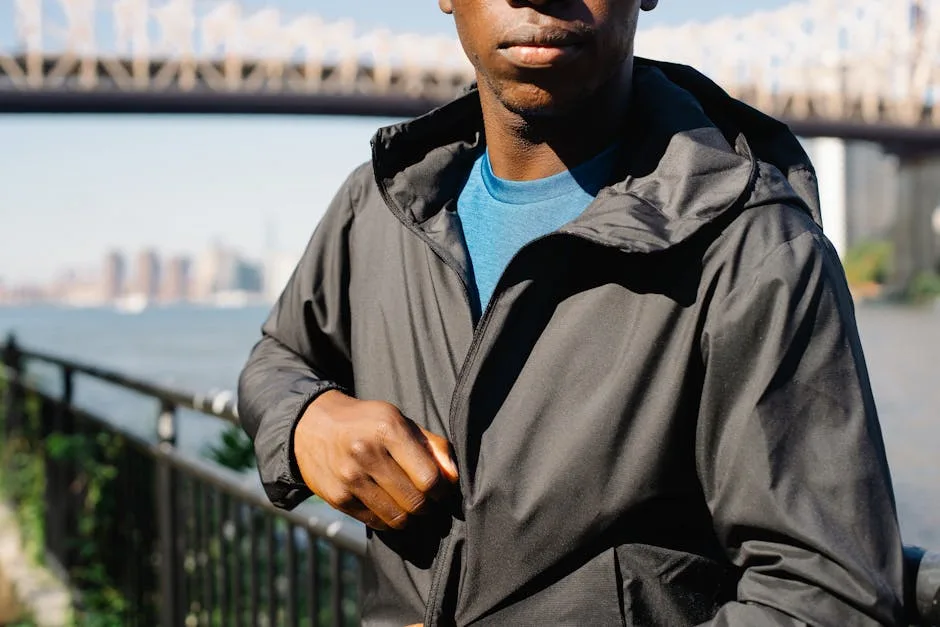
Layering in Brazil is less about wearing everything and more about assembling pieces that work together. Start with a breathable base, add a thin insulating mid-layer, and top with a packable rain or wind shell. For many places, a light merino or synthetic base will handle hot days by itself and serve as a sweat-wicking underlayer when the mercury drops.
During a day in Rio you might wear a sleeveless top under a casual shirt, then toss on a light sweater at sunset on Ipanema. In Brasília, swap the sleeveless for a quick-dry tee and bring a fleece for cool mornings. This approach keeps your suitcase trim and your outfits useful across regions.
Shoes: one good pair plus two backups
Pick one reliable footwear pair and two backups to cover beach, city, and trail. Aim for versatility so you avoid hauling heavy shoes.
- Main pair: comfortable, broken-in walking shoes with good grip. This works in São Paulo’s hills and street markets across the country.
- Backup 1: lightweight trail shoes or waterproof sneakers for muddy boardwalks and Pantanal excursions.
- Backup 2: durable sandals or flip-flops for beaches, showers, and casual wear in the Northeast.
Bring quick-dry socks and one pair of neoprene or water socks if you plan active boat days in the Amazon or waterfall hikes around Chapada dos Veadeiros. Consider a compact shoe-care kit—some neighborhoods in smaller towns lack reliable shoe repair shops.

Photo by Athena Sandrini via Pexels
Accessories that pay for themselves
Accessories are the small items that solve annoyances on the road. A lightweight scarf doubles as sun protection, a pillow on overnight buses, and a modesty cover for visiting churches. A packable hat folds into tight spaces; polarized sunglasses make coastal waters and kiteboarding schools easier to judge. Add a compact umbrella or a packable rain cape and you’ll laugh at sudden storms in São Paulo.
Electronics-wise, bring a high-capacity power bank for long travel days. Brazil’s plug landscape varies—carry a universal adapter and a spare USB charger. Buy a local SIM or use an eSIM for better coverage outside major cities. If you plan to drive, download offline maps: signal drops in rural stretches are normal.
Health, documents, and small but crucial items
Start this list before you put clothes in the suitcase. Confirm vaccinations and consult a travel clinic for updated advice—some destinations recommend yellow fever vaccination. Carry prescription medicines in original packaging and a short note from your doctor if needed.
- Copies of passport and printed reservations; keep electronic copies as backups.
- Basic first-aid kit: blister plasters, pain reliever, antihistamine, and rehydration salts.
- Insect repellent and after-bite treatment for Amazon and inland areas.
- Small sewing kit and a travel laundry soap for quick hand-washes—many travelers do laundry mid-trip.
Packing for activities: beach, jungle, and cultural cities
Beaches and dunes
Autumn beach days feel like late summer: warm water, plenty of sun. A rash guard is a smart buy if you’ll boat or kite-surf. A lightweight towel that packs small is more convenient than a bulky beach blanket. Bring a dry bag for phones and a small first-aid kit for cut feet around rocky areas or old piers.
Jungle and rivers
For rainforest lodges, expect humidity and mud. Pack clothes that dry quickly, a waterproof headlamp, and several plastic bags for wet items. If you go on night hikes, carry a spare set of batteries for your flashlight. Bring a small binocular for birding and neutral-colored clothing to stay unobtrusive.
City culture and nightlife
Urban evenings in Brazil can be stylish. A lightweight blazer or flattering cardigan will lift simple outfits for theater nights in São Paulo or a rooftop bar in Rio. Many restaurants lean casual but polished. Keep a slim wallet with local currency and a small crossbody bag that zips shut—pickpocketing happens in crowded tourist spots.
Packing technique: how to fit everything without overstuffing
Roll clothes to save space and reduce wrinkles; use packing cubes to separate regions, activities, or layers. Place heavier items near the wheels if you use a wheeled suitcase; keep toiletries in a clear, top-access pouch. Use compression sacks for insulating layers and wet items. Save a little space for local purchases—Brazilian textiles and crafts are worth carrying home.
Do you need winter clothes?
For most travelers visiting Brazil in autumn, bulky winter gear is unnecessary. The South demands warmer layers. If your itinerary includes Curitiba, Gramado, or mountain towns in Rio Grande do Sul, pack a midweight coat and thermal layers. Elsewhere, a light puffer and midweight fleece will cover cool nights and keep baggage light.
Security and money: pack smart to avoid stress
Use a money belt or neck pouch for passports and credit cards while in transit. Separate cash across pockets and bags so a single lost wallet won’t ruin the trip. Many places accept cards but smaller markets and remote lodges prefer cash. ATMs are widespread in cities; avoid night withdrawals and use your bank’s global partner networks when possible.
Last-minute sanity checks before you leave
Before zipping the suitcase, run a quick practical checklist. Pack the adapters and chargers you tested. Confirm medications, a rain layer, and one warmer item for nights. Re-check airline baggage rules—domestic carriers in Brazil often enforce strict weight limits. Finally, note the local emergency numbers for the regions you’ll visit and share an itinerary with someone at home.
A compact packing list you can copy
Here’s a distilled list to save and reuse. Take the items that match your specific route and trim what you won’t need.
- 3–5 quick-dry tops (mix short and long sleeves)
- 1–2 pairs of pants (one convertible or lightweight travel pant)
- 1 pair of jeans or a smarter bottom for cities
- Light fleece or merino mid-layer
- Packable rain jacket/poncho
- 1 warm jacket for southern or highland nights
- Main walking shoes, waterproof trail shoes, sandals/flip-flops
- Swimwear and quick-dry towel
- Hat, sunglasses, and sunscreen
- Insect repellent and basic first-aid
- Adapters, power bank, phone with local SIM or eSIM
- Copies of passport, travel insurance info, and medicine notes
Final travel mindset for Brazil’s autumn
Pack for contrasts. You’ll go from humid rainforest mornings to crisp southern evenings within the same trip if you choose. Lightweight layers, reliable rain protection, and adaptable footwear keep you comfortable without bogging you down. Buy small extras locally if needed—the country’s markets and stores supply most travel basics at reasonable prices. Put the practical choices first and leave room for spontaneity: Brazil rewards curiosity as much as preparation.