
I remember stepping out before dawn onto a rickety wooden jetty in the Pantanal one september morning, coffee in hand and a mist that smelled like wet earth. A caiman slipped away with barely a sound; a hyacinth macaw called, fluted and bright, from a distant tree. The guide tapped my shoulder and nodded toward a silhouette beneath the willows — a jaguar, lounging near a shrinking pool. The dry season had not yet fully let go, and everything felt urgent and alive.
Why spring matters here (and why it never looks the same twice)
Spring in Brazil—September through November—acts like a hinge. The southern hemisphere is warming; the rains start nudging their way back into some regions while other areas are still clinging to the dry season. That hinge changes animal behavior, shifts migration patterns, and rewrites what you’ll actually see on a daily tour.
Expect contrasts. In the Pantanal you’ll find animals concentrated around shrinking waterholes early in spring, which makes wildlife viewing spectacular if you arrive in September. By November the first rains swell the landscape and creatures scatter. Up in the cerrado highlands—Chapada dos Veadeiros and Chapada Diamantina—spring brings the first big flush of flowers and the creeks begin to revive, which alters hiking conditions fast: dusty paths become slippery trails overnight. Along the coast, whale-watch seasons are still humming in places, while turtle nesting ramps up on northeastern beaches.
How the seasons change what you should bring
Pack for variety. Bring a lightweight waterproof layer for sudden showers, good binoculars for birds and mammals, a wide-brim hat and high-SPF sunscreen for open savanna and beaches, and closed hiking shoes for muddy trails. Insects increase as the rains return, so fine-mesh head nets and DEET-based repellent (or locally recommended alternatives) are practical. And remember: a daylight jacket can be the most useful item—cool mornings and warm afternoons are the rule.
Pantanal: last days of the dry-season magic
The Pantanal is not one place; it’s an ecosystem sprawling across Mato Grosso and Mato Grosso do Sul, with different experiences depending on whether you use Cuiabá, Poconé or Campo Grande as your entry point. Visit in September and you’ll likely see high concentrations of jaguars, capybaras, caimans, and birds gathered at the remaining pools. By late October and into November, rains begin to reconnect the landscape—great for photography if you like green reflections, less great if your primary goal is guaranteed jaguar sightings.
Early spring is also the most comfortable time for multi-hour boat trips and open-vehicle safaris; the heat ramps up toward the end of November. Guides in the Pantanal are used to working on the seasonal shift—good operators will alter routes and schedules to follow the animals, so choose a lodge or outfit that prides itself on local knowledge rather than a rigid itinerary.

Practical choices and what to expect
- Travel logistics: fly into Cuiabá or Campo Grande, then expect a road transfer—some lodges are reached via seasonal dirt roads that become challenging after the first heavy rains.
- Guides: book a guide who spends the dry season in the Pantanal rather than someone who only passes through—local presence matters.
- Activities: choose a mix of boat safaris, dawn drives and night wildlife listening walks; each reveals different species.
Atlantic Coast and Abrolhos: whales, reefs, and early turtle season
Off the southern coast and along the northeastern shores, spring still carries the last leg of whale season and the stirring of turtle nesting. The humpback whales that migrate to Brazil’s warm coastal waters for breeding and calving are often still being sighted into September and October along parts of Bahia’s coast and around the Abrolhos archipelago. Abrolhos itself is a refuge of coral gardens and a marine park, and spring offers a quieter period between peak tourism months.
Further north, beaches that host sea turtle nesting (communities involved with the Projeto Tamar conservation program are active in several states) begin seeing increased activity by October. If you want to witness a turtle nesting or hatchling release, coordinate with local conservation centers so your visit supports protection efforts rather than disturbance.

How to join responsibly
Book through operators who work with the marine park and local fisher communities. For turtle nesting, join a guided night patrol organized by Projeto Tamar or a local NGO—these groups will explain how to watch without harming nests, and many run community-led conservation projects that welcome volunteer support.
Cerrado highlands: Chapadas and a sudden bloom
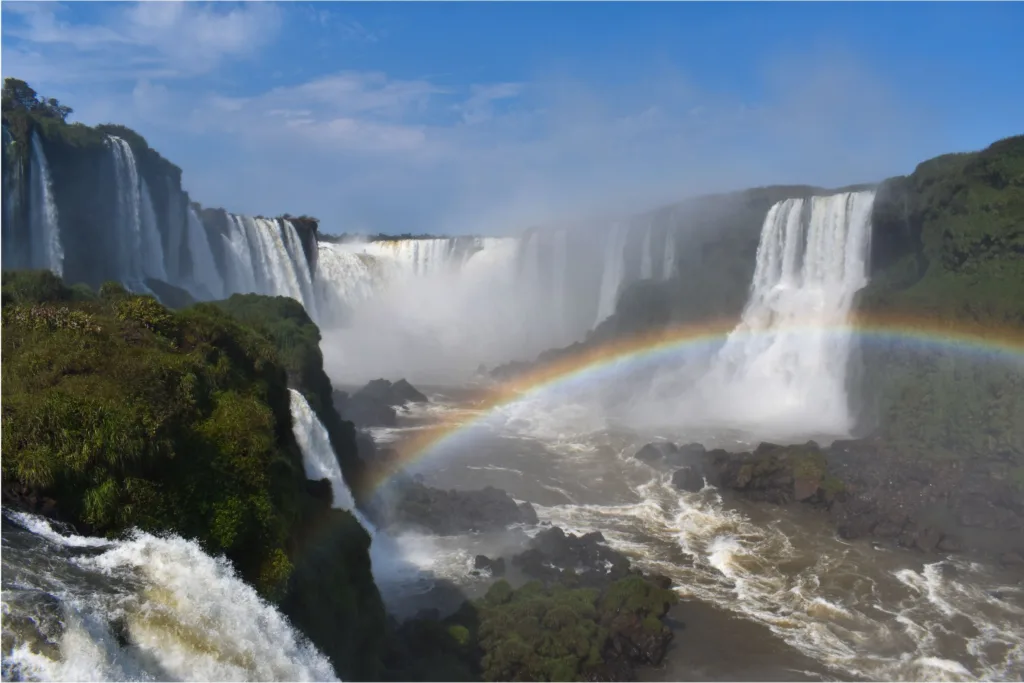
The cerrado’s open savanna and rocky plateaus—Chapada dos Veadeiros in Goiás and Chapada Diamantina in Bahia—transition from the dry season into a season of green. For hikers and photographers, spring is thrilling. Trails that were dusty and brown in August gain ribbons of water and the wildflowers start to appear, often in a rush. Waterfalls that dwindled through winter begin to thicken again after the first heavy showers, but that means trail conditions can change quickly.
This is when the landscape feels theatrical: plunging canyons, expansive vistas and ephemeral pools that appear after a storm. It’s also when bird activity crescendos; migratory species arrive and acoustic life is loud and layered at dawn.
Trail tips for the chapadas
- Start hikes early; storms build in the afternoons and some trails become slick.
- Use GPS tracks from reliable sources and hire a local guide for remote circuits—the plateaus hide sudden cliffs and seasonal water obstacles.
- Respect sacred sites and private ranch boundaries—many trails cross working land with seasonal cattle movements.
Atlantic Forest fragments: rain returns and frogs sing
From Serra do Mar to the coastal islands, Brazil’s Atlantic Forest pockets begin their wet-season chorus in spring. Mossy trails gain frogs, orchids and insects; amphibian breeding peaks as ephemeral pools reappear. Birdwatchers will appreciate the resident endemics that become easier to see when fruiting trees start to change the rhythm of foraging.
If you’re coming from Rio or São Paulo for a short escape, head to Serra da Bocaina, Ilha Grande, or the reserves around Ubatuba for lush, bird-rich trails that change fast during these months—cooler mornings and sudden, intense showers are the pattern.
Be conscious of your footprint
Small reserves are particular about visitor behavior because a single careless group can damage fragile understory plants or disturb nesting birds. Stick to marked trails, carry out trash, and try to visit community-run eco-trails where tourist fees directly support conservation and local livelihoods.
Amazon edge: the rivers start to shift
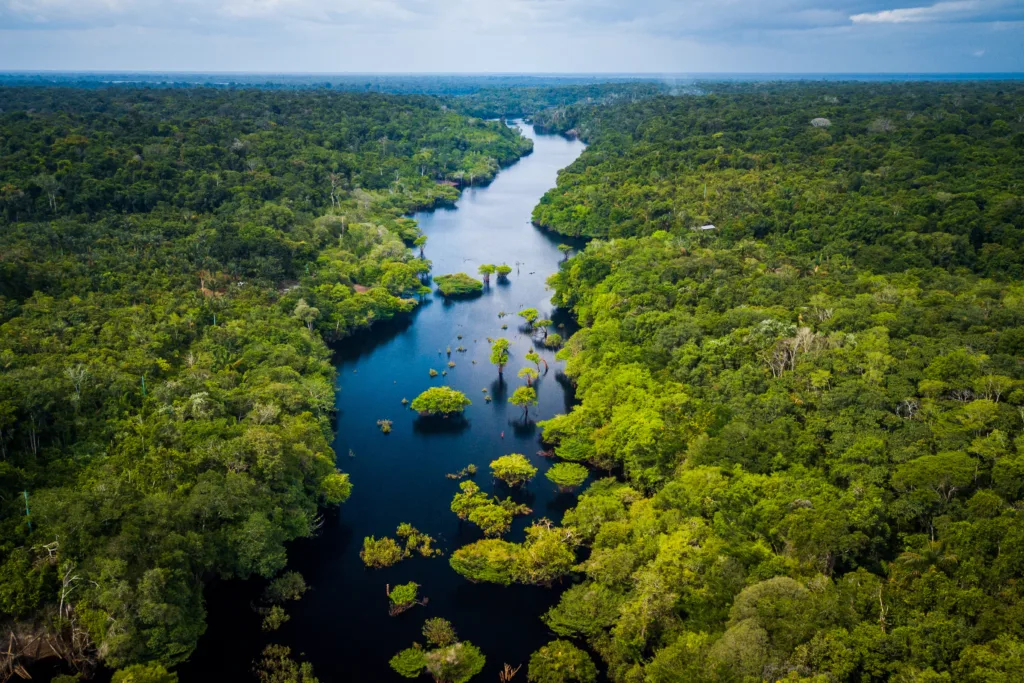
Visiting the Amazon in spring is to watch the water narrative begin to rewrite itself. Some tributaries remain low and sandy, revealing beaches and oxbow lakes that host shorebirds and river turtles. By the end of spring certain sections begin to show the first signs of rising water; animal movements follow the carbon-rich flood pulse that feeds the forest. Floating lodges and small river communities adjust their navigation routes accordingly.
If you’re seeking caimans around oxbow lakes, or primates that follow fruiting trees, time your trip to the stretch of spring that best matches your interest—local operators who navigate the same river year after year know when to push upriver and when to linger in productive side channels.
Where spring surprises travelers most
Three surprises I keep seeing:
- Early rains can make remote dirt roads impassable within 24 hours. Have contingency plans for transfers and accept that flexibility often makes the trip richer.
- Wildlife doesn’t follow calendars. A late-dry-season drought one year can concentrate animals longer; a heavy early rainy season in another year can push them into different habitats. Trade rigidity for local knowledge.
- Smaller sites and community projects show their best work in spring, as monitoring teams return and local guides shift from offseason maintenance back into full-time fieldwork. Visiting then has both ecological and social payoffs.
Responsible wildlife viewing—what I insist on when guiding
From my years guiding foreign travelers, I’ve settled on a few non-negotiables. First, no chasing. If an animal moves away, we follow its lead and give it space. Second, support operators with clear conservation ties; lodges that invest in local reforestation or workforce training often offer experiences that are better for both guests and the landscape. Third, choose small-group tours. You’ll get better sightings and reduce pressure on sensitive habitats.
Finally, ask about the social impact. Does the operator employ local guides? Do they use local food and suppliers? Those details matter. When your tourism dollar stays in the community, conservation becomes a more realistic local choice.
Where to go in spring, and what you’ll actually see
Below are destinations that work particularly well for spring eco-tourism, paired with the reason to go and what a realistic expectation looks like.
Pantanal (Mato Grosso / Mato Grosso do Sul)
Why go: last great weeks of dry-season concentration for jaguars, caimans, capybaras, and striking waterbirds. Realistic expectation: excellent photo opportunities early in spring, with higher probability of sightings at dawn and dusk around remaining pools.
Abrolhos and southern Bahia coastline
Why go: quieter whale-watching window and good coral snorkeling; less tourist pressure than mid-winter months. Realistic expectation: boat trips with a strong chance of humpback sightings in early-to-mid spring, plus access to marine protected areas for snorkeling.
Chapada dos Veadeiros and Chapada Diamantina
Why go: first flush of flowers and waterfalls—hiking feels renewed. Realistic expectation: trails that can shift from dusty to muddy within days; spectacular light and fewer crowds than peak summer.
Northeast beaches with Projeto Tamar centers
Why go: community-led turtle conservation programs shift into active patrols and hatchling releases. Realistic expectation: guided night patrols and the chance to witness nesting or small-scale hatchling releases when coordinated with staff.
Atlantic Forest reserves (Serra da Bocaina, Ilha Grande)
Why go: rain returns, frogs and birds become vibrant, and trails smell like a real forest again. Realistic expectation: lush mornings, sudden showers, and good chances for endemic bird sightings with an experienced local guide.
Booking strategy and timing
Book with a local operator who updates guests about recent seasonal changes; they’re the ones who will adjust itineraries to follow wildlife. For fragile destinations—Fernando de Noronha is a classic example—book well ahead because daily visitor limits and environmental fees mean spaces fill fast. For the Pantanal, a late booking in September might still snag a prime guide; by November, your options are more constrained in terms of habitat accessibility after rains start.
When in doubt, ask the operator what they’ve observed in the last two weeks. A guide who can give you recent sightings and the logic behind route choices is more valuable than one who recites a fixed checklist.
Packing list tuned to spring fieldwork
- Light, quick-dry layers plus a waterproof shell for sudden downpours.
- Good binoculars (at least 8x) and a field guide app or small paper guide for regional birds and mammals.
- Headlamp for turtle patrols and early starts; dry bags for electronics during boat trips.
- Insect protection: long sleeves for dawn/dusk, repellent, and a small first-aid kit for minor bites or blisters.
How to support conservation while you travel
Turn your curiosity into impact. Visit interpretive centers such as the Projeto Tamar stations, buy from community cooperatives, and choose lodges that demonstrate transparent environmental management. If a guide offers a night patrol or monitoring experience, ask how your participation helps the local program. Sometimes that means a small extra fee that funds hatchling protection or a river cleanup—the difference is tangible.
A concrete final takeaway for planning your spring trip
If your priority is close, reliable wildlife sightings—think jaguars and concentrated birdlife—arrive early in spring, in September. If you want greener landscapes, louder bird mornings, and a higher chance of waterfall swims, aim for later spring but accept that animal viewing will require more patience and local guidance. Either way, choose local guides, travel lightly on the habitats, and expect your plans to bend with the weather; that flexibility is the key to the kind of natural encounters that make Brazil’s spring feel electric.