
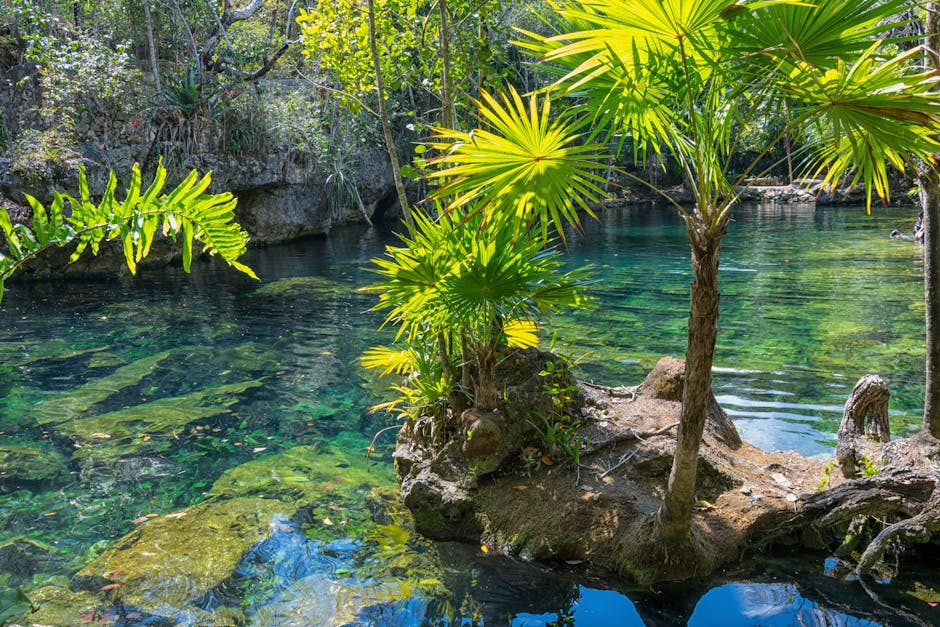
Imagine yourself suspended in a liquid world so clear it feels like you are hovering in mid-air. The only sound is your own steady breathing through a snorkel, and the only movement is the gentle sway of emerald-green river grass. This is the daily reality in Bonito, Mato Grosso do Sul, a place that has quietly become the world capital of ecotourism. Located in the heart of brazil, Bonito is not about adrenaline-pumping rapids or murky swamps; it is about the quiet, meditative experience of ‘flutuação’ or floating. If you have ever wanted to see the world from the perspective of a fish, this is your chance. But because this ecosystem is as fragile as it is beautiful, there are a few things you need to know before you jump in.
The Golden Rules of the River
The first thing you will notice when you arrive in Bonito is how seriously everyone takes the environment. This is not just lip service; it is a meticulously managed system designed to keep these rivers pristine for generations. When you go snorkeling, you are entering a sanctuary. The most important rule is the ban on sunscreen and insect repellent before entering the water. It sounds counterintuitive when you are under the Brazilian sun, but the chemicals in these products—even the ‘biodegradable’ ones—can react with the high calcium content of the water, clouding the clarity and harming the local flora. Most tours provide wetsuits that cover most of your body, which helps with sun protection, but for your face, you will just have to rely on the shade of the forest canopy during your approach. Another non-negotiable rule is the ‘no-touch’ policy. You are there to observe, not to interact. Stepping on the riverbed is strictly forbidden because it kicks up sediment that can take hours to settle, ruining the visibility for everyone else and disturbing the bottom-dwelling organisms. You will be wearing a life vest that keeps you effortlessly buoyant, so there is really no reason to ever put your feet down. It feels a bit like being an astronaut in zero gravity, drifting wherever the current decides to take you. Groups are always small, usually limited to eight or ten people, and accompanied by a certified guide who ensures everyone follows these protocols while pointing out the hidden gems of the river.
These guides are the guardians of the water, and their knowledge of the local ecosystem adds a layer of depth to the experience that you just can’t get on your own.
Rio Sucuri: Floating in a Giant Mirror
If you ask a local which river has the clearest water, Rio Sucuri is almost always the answer. It is consistently ranked as one of the most transparent rivers on Earth. The name might sound a bit intimidating—Sucuri is the Portuguese word for Anaconda—but do not let that scare you. While the majestic snakes do live in the region, they are shy and rarely seen by tourists. What you will see instead is a spectrum of blue that defies description. The water is so clear that you can see individual grains of sand on the riverbed from several meters up. The experience starts with a short hike through the riparian forest, where you might spot capuchin monkeys or even a giant anteater if you are lucky. Once you reach the spring, you gently slip into the water and begin a two-kilometer drift. Because the current is slow and steady, you don’t even need to swim. You simply point your head downstream and let the river do the work. The light play here is spectacular; on a sunny day, the sunbeams pierce through the water like lasers, illuminating the silvery Piraputanga fish that dart around you. It feels less like a swim and more like a slow-motion flight over an underwater garden.
The Biodiversity of Rio da Prata
While Rio Sucuri wins on clarity, Rio da Prata wins on sheer biological density. Located a bit further out in the neighboring municipality of Jardim, this tour is a favorite for those who want to feel like they are inside a crowded aquarium. The adventure begins at Recanto Ecológico Rio da Prata, a private reserve that has become a global model for sustainable tourism. After a trek through a lush forest teeming with birds, you reach the Olho d’Água spring. The water here has a slightly different tint, a soft turquoise that provides a stunning backdrop for the schools of Golden Dorado, Pacu, and the ubiquitous Piraputanga. One of the highlights of Rio da Prata is the ‘volcano’—a spot where water bubbles up from the sandy bottom, creating a shimmering, shifting effect that looks like a miniature eruption. As you float downstream, the river eventually merges with the Rio da Prata itself. The transition is fascinating; the water becomes deeper, and you find yourself floating alongside massive fish that seem entirely unbothered by your presence. It is a humbling experience to be so close to such large creatures in their natural habitat, and it is a testament to the decades of protection this area has enjoyed.
By the time you climb out of the water at the end of the drift, you will likely feel a sense of profound peace that only nature can provide.
Aquário Natural: The Perfect Introduction
For those who are a bit nervous about snorkeling or traveling with small children, Aquário Natural is the ideal starting point. It is located very close to the town center of Bonito, making it the most accessible option. The water is exceptionally calm, and the area where you start your float is shallow and wide, resembling a giant, natural swimming pool. The underwater vegetation here is particularly lush, with vibrant green plants that look like they have been professionally landscaped. Because the tour is shorter and the conditions are so controlled, it is a great way to get used to the equipment—the mask, the snorkel, and the wetsuit—before committing to the longer drifts of Prata or Sucuri. Despite its name, nothing about it is artificial; the ‘aquarium’ is entirely a product of the region’s unique karst geology, which filters the water through limestone until it is chemically pure and visually perfect.
The Mystery of Nascente Azul
Nascente Azul offers a slightly different vibe. While it features a beautiful spring and a lovely floating experience, it also functions as a sort of ‘leisure center’ with a beach-like area, a zipline, and a museum. The spring itself is famous for its deep blue hue, a result of the way the light reflects off the magnesium and calcium deposits on the rocks. One of the unique features here is that you can actually practice ‘free diving’ in the spring area to get a closer look at the water emerging from the earth. The floating path is shorter than Sucuri or Prata, which makes it perfect for a half-day excursion. If you have energy left over, the surrounding park offers plenty of other activities, making it a hit with families who need to keep everyone entertained. It is a bit more ‘touristy’ than the wilder river drifts, but the beauty of the spring is undeniable and worth the visit alone.
Navigating the Agency System
One of the most unique aspects of visiting Bonito is the ‘Voucher Único’ system. You cannot simply show up at a river and buy a ticket. Everything—and I mean everything—must be booked through a licensed travel agency. While this might seem like an extra hurdle, it is actually a brilliant way to control the number of visitors and ensure that no site becomes overcrowded. The best part? The prices are fixed by the municipal government. Whether you book with the biggest agency in town or a small boutique operator, the price for the Rio da Prata tour will be exactly the same. This takes the stress out of price-shopping and allows you to focus on the quality of service. When choosing an agency, look for one that is responsive and offers clear communication in your language. Some agencies are better at coordinating logistics, like shared transport or private drivers, which is essential since many of the best tours are located 30 to 50 kilometers outside of town. A good agent will help you sequence your tours so you aren’t spending all day in a car, and they can provide invaluable advice on which rivers are currently at their best based on recent rainfall.
When to Go and What to Pack
Timing your trip to Bonito can change your experience significantly. The region has two distinct seasons: the dry season (May to September) and the wet season (October to April). During the dry season, the water clarity is at its absolute peak because there is no rain to wash sediment into the rivers. However, this is also the Brazilian winter, and while it doesn’t get ‘cold’ by northern standards, the air temperature can drop, making the transition in and out of the water a bit chilly. The wet season brings lush, vibrant greens to the forest and fills the waterfalls, but heavy rains can occasionally wash out a snorkeling tour if the water becomes too turbid. As for packing, the agencies provide the big stuff—wetsuits, boots, life vests, and masks. You just need to bring a swimsuit to wear under the neoprene, a towel, and perhaps a GoPro or a waterproof phone pouch. If you have your own mask that fits your face perfectly, bring it along, but the provided gear is generally high-quality and well-maintained. Don’t forget a hat and polarized sunglasses for the boat rides and treks, and a good pair of walking shoes or sturdy sandals for the forest paths. Most importantly, bring a sense of wonder. You are about to enter a world that looks like a dream, and once you have experienced the crystal-clear waters of Bonito, every other river you see for the rest of your life will have a lot to live up to.