
Why autumn on Ilha Grande feels like the island’s secret season
When you picture Ilha grande, images of sun-drenched beaches and busy boat queues often come to mind. visit between March and May and you’ll notice a different beat: fewer day-trippers, gentler sun, and trails that feel like they belong to you. Autumn in brazil means the temperatures drop just enough for comfortable hiking without changing the island’s lush, tropical personality. You still get warm water for swimming and snorkeling, but the heat that makes trails sticky in high summer eases off, and the afternoons settle into a pleasant rhythm ideal for exploration.
Getting to Vila do Abraão: first steps on foot (literally)
Most visitors arrive in Vila do Abraão, the island’s main village and practical hub. Boats depart from Angra dos Reis and Mangaratiba on the mainland; departures are frequent during the day but slow down in the evening. From Rio de Janeiro a road-and-boat combo takes a few hours—enough time to notice the coastlines changing from populated towns to open water and forested isles. Once you step off the boat, the lack of cars hits you: everything runs on foot, on boat, or by the occasional motorcycle. That absence of traffic contributes to the calm autumn vibe; the village is quieter, and the late-afternoon chatter spills onto the harbor instead of into traffic.
Two reasons hikers love autumn here
First: temperature and humidity balance. Trails that are punishing in January feel manageable now; you can move farther in a day without needing to constantly stop from heat exhaustion. Second: the crowds thin. Popular routes to Lopes Mendes or Pico do Papagaio still attract visitors, but you often find large stretches of trail or beach to yourself, which changes the whole experience—more wildlife sightings, less forced politeness at viewpoints, and a pace that favors lingering.
Top hikes to prioritize (with practical notes)
Lopes Mendes is non-negotiable: a wide, white-sand beach ringed by Atlantic Forest. The trail from Abraão is a classic—expect roots, short steep sections, and river crossings where stepping on rocks keeps your shoes dry. Autumn means these crossings are typically lower and easier to navigate than in heavy-rain months. If waves are up, surfers will be present; if not, the beach becomes an immense, serene expanse perfect for walking and picnicking.
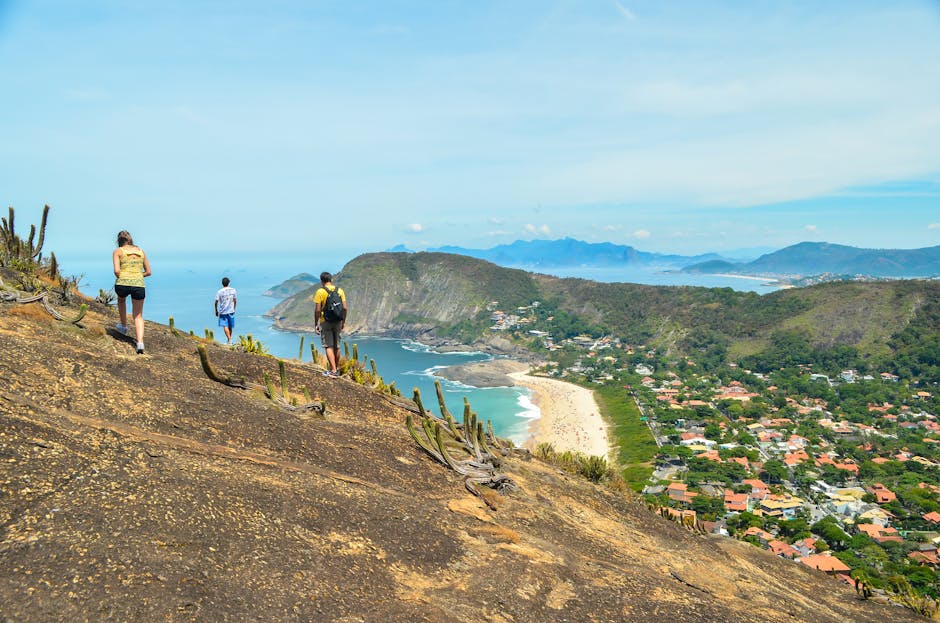
Pico do Papagaio demands a full morning and steady shoes. The climb moves from dense forest to panoramic ridgelines; the views repay every breath you take. On clear autumn mornings the horizon stretches toward the mainland and neighboring islands, and the cooler air makes the summit linger-worthy.
The trail to Dois Rios brings history into a hike: you’ll pass the ruins of an old penal colony and reach a broad bay and forested trails beyond. Paths here reveal quiet coves and small waterfalls. Autumn’s diminished crowds let these historical spots breathe, and you’ll often have the ruins and surrounding shoreline largely to yourself.
For shorter walks, try Abraãozinho and the coastal path to Praia Preta—both provide quick escapes from the village bustle, and the reduced season traffic means you’ll find benches and viewpoints open for a peaceful sit.
How boats and water access change in autumn
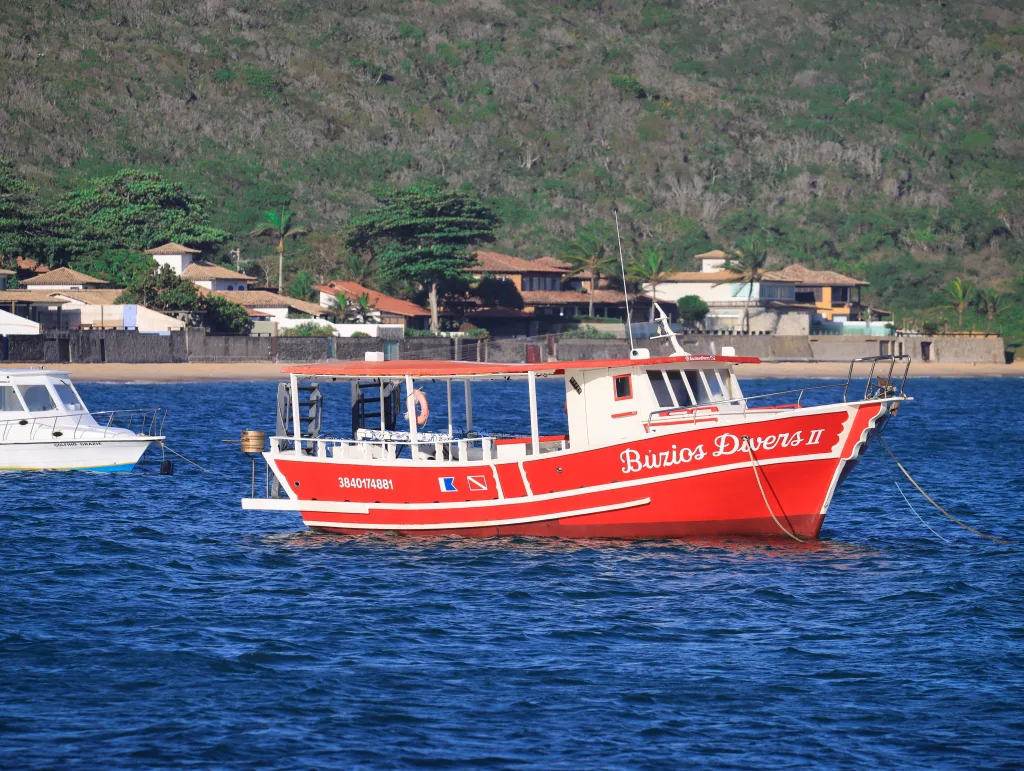
Day-boat operators scale back schedules at the start of autumn, but essential crossings remain reliable. That scaled-back schedule is a benefit: fewer packed boats heading to the same few beaches means you’ll often arrive to quieter shorelines, not to full sandbars and clustered umbrellas. If you depend on water taxis for beach drops or snorkeling trips, book a day in advance when possible; local operators appreciate the heads-up when demand rises for weekend windows.
Two practical hiking safety habits to adopt
Start early. Trails are coolest from first light until mid-morning, and daylight is your friend on longer ridgelines. Carry a refillable water bottle and top it up at pousadas or small shops in Vila do Abraão—shops are open year-round, but options drop in the low season, so don’t rely on finding what you need mid-trail.
Bring a small dry bag and protect electronics. Coastal hikes include river crossings and sudden rain showers. A lightweight rain jacket folds small and keeps you comfortable through sprinkles; a dry sack protects phone, camera, and documents. Autumn brings fewer heavy storms, but microbursts still happen: a ten-minute downpour can turn a muddy path slick.
Wildlife, plants, and why quiet means better chances to see them
The Atlantic Forest that covers much of Ilha Grande is thick with birds, small mammals, and insects that shrink from heavy human noise. With fewer day-trippers, capuchin monkeys and marmosets move more visibly around trails near the village. Birdsong becomes a guide on early morning hikes; if you pause and listen, the calls of different species knit the forest into an audible map. Autumn’s milder temperatures push wildlife into the mornings and late afternoons—times that match the best light for photography and the most comfortable air for walking.

Where to eat when the island slows down
Autumn brings a softer dining scene: restaurants clean up menus, focus on seasonal seafood, and often open later into the evening for a smaller crowd. Look for fresh grilled fish (peixe grelhado) and small local dishes—fried banana, manioc, and seafood stews that showcase shrimp and fish. Many pousadas (guesthouses) run simple kitchens that prepare excellent home-style dinners; eating in these smaller settings offers conversation with hosts and a taste of island rhythm.
Markets and food stalls in Abraão keep basic supplies. Still, bring cash; card terminals work but are not guaranteed in every small restaurant. The barter-free way to enjoy the local economy: tip in cash for boat drivers and guides—a small gesture that goes a long way during quieter months.
Where to stay: choices that shine in autumn
Pousadas are the island’s backbone. Autumn lets you find rooms with sea views more easily and sometimes at off-season rates. Family-run pousadas focus on comfort rather than frills—quiet verandas, breakfast with fresh fruit, and owners who’ll point you to a less-trafficked trail. If you prefer something more social, a few guesthouses organize small group hikes and boat trips that take advantage of the empty beaches.
Respecting the island: low-impact travel tips
Ilha Grande is a protected area and sensitive ecosystem. Pack out what you pack in. Plastic waste and cigarette butts accumulate quickly on beaches that receive fewer cleanups in low season. Stick to marked trails to avoid trampling fragile plants, and avoid feeding wildlife—their diets and behavior change quickly when humans intervene.
Practical logistics to know before you go
Power and internet are reliable in the main village but less so in remote pousadas. If you need connectivity for work, confirm in advance. Bring cash for smaller shops and boat guides; ATMs on the island exist but are less predictable than on the mainland. Medical facilities are basic—minor injuries are treated locally, but serious cases require transfer to the mainland. Carry a simple first-aid kit and know where the nearest mainland port is for emergency transfers.
Autumn weather expectations and how to pack
Expect warm, comfortable days and cooler mornings. Lightweight long sleeves protect against both sun and mosquitoes on early hikes. A pair of broken-in hiking shoes with good grip is essential—many trails have roots and wet rocks. Include sunscreen, insect repellent, a reusable water bottle, and a small headlamp for any late arrivals. Rain is less frequent than in high summer, yet a compact rain jacket will be the item you use more than any other if a sudden shower rolls through.
Sample 3-day autumn itinerary: the essentials
Day 1: Arrive in Vila do Abraão, walk the harbor path, and relax on Praia do Abraão. Evening: casual dinner at a family-run pousada.
Day 2: Early hike to Lopes Mendes for sunrise or mid-morning solitude, followed by lunch back in Abraão. Afternoon: glass-bottom boat or snorkeling trip to Lagoa Azul if the sea is calm. Evening: sample grilled fish at a small restaurant.
Day 3: Choose Pico do Papagaio for a half-day adventure or the Dois Rios trail for both history and a quieter beach. Depart mid-afternoon after a last coffee by the pier.
Sample 5-day autumn itinerary: deeper island living
Day 1: Arrive and settle in. Short walk to nearby beaches and an easy evening meal.
Day 2: Full hike to Lopes Mendes. Pack snacks, and take your time along the way. Late afternoon: small-group yoga or hammock time at your pousada.
Day 3: Boat trip to remote southern beaches like Aventureiro, with time for a secluded swim and short coastal hikes. Keep cameras dry for unique rock formations and quiet coves.
Day 4: Explore Dois Rios and the penal colony ruins, follow forest trails to hidden waterfalls, and return via coastal paths. Evening: try a seafood stew prepared by a local family kitchen.
Day 5: Pico do Papagaio at first light or a last swim in Abraão before your departure.
How to make the most of quieter mornings and golden afternoons
Autumn’s reduced crowds create two golden windows: early morning and late afternoon. Use mornings for longer hikes and wildlife watching when birds and small mammals are active. Save late afternoons for beach walks and snorkeling—the light softens and the water calms. Photograph in these windows for the best colors and fewer strangers in your frame.

Practical Portuguese phrases that open doors
Simple Portuguese goes far: say “bom dia” for morning smiles, “obrigado/obrigada” for thanks, and “por favor” to soften requests. Ask “tem caixa eletrônica?” before you rely on debit cards, and use “quanto custa?” when shopping. Locals appreciate the effort and often respond with helpful tips—where to find a less-crowded trail or a small restaurant that serves a fisherman’s catch from that morning.
Final encouragements for visiting in autumn
Autumn on Ilha Grande invites you to slow down, lace up, and wander. Fewer people mean more intimate moments with nature and with locals. Trails open in a friendlier climate, beaches expand into quiet canvases, and dining becomes a conversation rather than a line. Choose respectful travel habits—leave no trace, support family-run pousadas, and listen to local advice about tides, currents, and trail conditions. Do that, and Ilha Grande will show you a side of Brazil that feels both wild and welcoming, a coastal forest that rewards patience with solitude and clarity.