
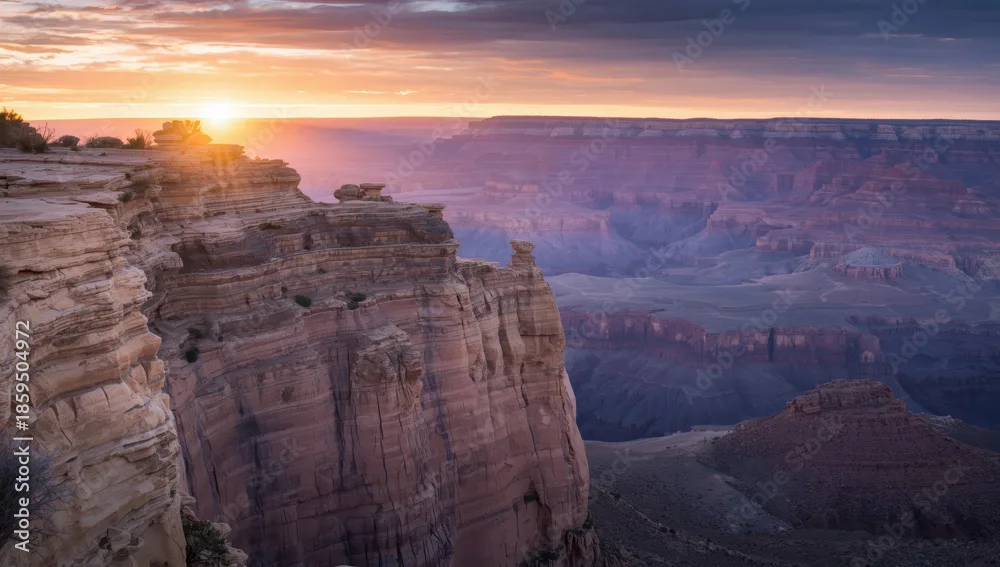
You step out of the eucalyptus-scented mist, and the world drops away. A sheer wall of basalt and vegetation unfurls across your field of vision — layered cliffs, green fingers of forest clinging to ledges, a river far below that sounds like a distant drum. That first inhale of cold, sharp air is always my favorite part. It tells me I left the city and entered a landscape that was built on time, weather and patience.
Why Itaimbezinho feels nothing like the tourist postcards you expect
People talk about canyons in Brazil like it’s a novelty, as if South America’s only dramatic geology belongs to the Andes. That’s a mistake. Aparados da Serra — and Itaimbezinho specifically — is a place where Atlantic Forest, highland grasslands and deep ravines meet in a way that surprises almost every foreign visitor. The canyon isn’t the Grand Canyon. Don’t compare scales. Compare moods: the intimacy of towering walls instead of endless horizontal sweep; the way clouds pool in the gorge and make the whole scene ephemeral; the quiet urgency of waterfalls that flash and disappear.
Getting here without driving yourself mad
Cambará do Sul is the small town that serves as basecamp for both Aparados da Serra and the nearby Serra Geral canyons. You can fly into major southern airports and continue overland; the town is set up around tourism, so you’ll find pousadas, simple restaurants, and guides. Bring cash if you plan to eat in the most rustic places — some small inns and eateries still prefer it.
The roads that lead into the plateau are honest: paved in many stretches, rural in others. A standard rental car is fine for the main routes, but expect loose gravel and mud on side roads after rain. If you’re uncomfortable navigating country roads, hire a driver from your pousada for arrival or for specific trailhead drop-offs — it’s not expensive locally, and the drivers know where the views hide.
When the seasons become the scenery
There’s photography that depends on perfect light and there’s hiking that depends on stable footing. Spring and early summer bring the loudest waterfalls and the freshest greens; autumn gives burnt grass and incredible light; winter serves up crisp days and fog that will make your pictures moody. Rainy days make the trails slick and the waterfalls brilliant, but they’ll also take away some viewpoints when clouds sit low. I prefer visiting in the shoulder seasons — fewer crowds, friendlier weather, and the flora still feels alive.
The two ways most people see Itaimbezinho — and why you should try both
There are two main experiences here, and they’re complementary: the edge view and the canyon interior. The edge viewpoint gives you that jaw-drop instant, the wide composition you’ll see on postcards. The interior trail (where accessible) takes you along the rim, with close-up encounters of the rock face, pockets of forest, and creek crossings. I recommend doing the viewpoint first, then the longer rim walk when your legs are still fresh enough to enjoy detail.
Trail surfaces change quickly: a wooden boardwalk at an observation platform, a rocky path by the cliff edge, packed earth and stairs as you move along the rim. The park keeps major viewpoints accessible, but the less-traveled segments demand appropriate footwear and a measure of caution — there are steep drop-offs and sections where wind gusts surprise you.
Practical trail tips from someone who has been stubbornly under-equipped
- Bring waterproof hiking shoes. You will thank me when the path turns to clay after rain.
- Layer up. Wind from the canyon can make a warm day feel like late fall.
- Carry water and snacks; there are no shops inside the park.
- Take a small first-aid kit for blisters and scrapes.
- Follow posted signs and fenced areas — southern hospitality doesn’t change gravity.
Wildlife and plants: look down and up
Highland canyons create microhabitats. On the plateau you’ll notice grasslands and Araucaria (those tall, umbrella-shaped pines) mixing with patches of dense Atlantic Forest. That creates a surprising biodiversity: birds that prefer open pampas and species that need thick, moist forest. Watch for raptors riding thermal columns above the canyon lip and for smaller, furtive birds in the understory. I never tire of the sound of unseen birdship calls reverberating off stone; it’s one of those odd things that make me slow my pace and actually listen.
Why photographers fall in love — and what most of them miss
Photographers flock here for the vertical drama. Wide-angle lenses are your friend at the rim. Early morning and late afternoon give the best light on the canyon walls; mid-day tends to flatten the relief. If you want waterfalls with silky flow, arrive late in the afternoon and shoot into a shaded gorge where exposure can be longer without overblowing highlights.
But here’s what I see too often: people shooting the same obvious frame, then packing up. Walk ten minutes off the main platform and look for small windows of the canyon framed by trees, or detail shots — lichens on basalt, a hidden stream, a fern unfurling from a rock crevice. Those are the images that feel like souvenirs of a place rather than postcards from the tourist office.

Local food and the rhythm of the plateau
After a morning on the trails, you’ll look for two things: a hot drink and meat. This is Gaúcho country. Simple, honest food is the rule: churrasco-style meats, polenta in different textures, local cheeses. Try chimarrão — the bitter, green mate tea people carry in a gourd — if you want to experience a cultural handshake; accept it at a pousada or from a guide and you’ll be part of a quiet ritual. The food won’t be flashy, but it will be filling and precisely what you need after hours of walking.
Where to sleep without regretting your choice
Cambará do Sul has a range of options from rustic pousadas to comfortable lodges. I prefer small family-run pousadas where hosts can call you a taxi and point out the best viewpoint for sunset. Many properties open onto sweeping fields or forest patches — waking up to birdsong and a stove-fired breakfast feels like the real treat.
If you like stargazing, choose a spot away from town lights. The plateau’s elevation and clean air offer surprisingly good night skies. Bring a sweater; nights get cold even after a warm day.
Booking and crowd strategy
Weekends and national holidays are the busiest times. If you can, choose weekdays for quieter trails. And don’t rely on showing up late in the afternoon thinking you’ll have a viewpoint to yourself — the most famous platforms attract multiple day-trippers, especially during peak season. If solitude matters, hike early in the morning and time your arrival for sunrise light rather than sunset; the crowds tend to collect toward late afternoons.
How the park is managed and what you should respect
Aparados da Serra operates with conservation rules designed to protect fragile canyon environments. That means sticking to trails, not collecting plants or rocks, and not flying drones without explicit park authorization. Brazilian federal environmental agencies regulate park activities, so if you’re thinking about something off-script — like a drone or a commercial shoot — check with the park office ahead of time. Respecting these rules keeps the place wild and the local communities able to continue hosting visitors.
Safety: what local guides tell me when I forget my common sense
Listen to park staff. The canyon walls are often steeper than they look, and some ledges crumble. Weather in mountain plateaus can change fast: clear skies can become fog in an hour. If a trail is closed, it’s closed for a reason. Guides will also point out snakes or rocky places to avoid; don’t assume you know better just because you’re an experienced hiker elsewhere.
A two-day sample itinerary that actually fits reality
Day one: arrive, check into your pousada, and do a short viewpoint walk at golden hour. Eat early and sleep early — the plateau’s quiet hits you in the chest.
Day two: take the longer rim hike or the interior trail (depending on park access that day), pack a picnic, and allow time for slow photography and birding. Afternoon: visit a different viewpoint or a nearby waterfall if the park allows. Finish with a late lunch of local fare and a thermos of chimarrão.
This isn’t a checklist meant to impress anyone online. It’s a pace that respects distances, weather and the mood of the land. You’ll leave more relaxed and probably with better photos.
What I still do wrong on every trip — and why you should avoid it
I forget to charge backup batteries. I underestimate how cold the wind will be. I forget that my phone’s battery drains faster when I’m photographing long exposures in low temperatures. Fix those mistakes: carry a charger, keep electronics warm against your body, and bring at least one spare memory card. These are small defeats that ruin good days.
Packing list (short, aggressive, practical)
- Sturdy hiking shoes, waterproof preferred
- Windproof jacket + mid-layer
- Reusable water bottle (no single-use waste)
- Snacks: nuts, dried fruit, a small sandwich
- Camera gear: wide-angle lens, tripod (optional), spare batteries
- Basic first-aid kit and sun protection
Why the region matters beyond the postcard
Beyond tourism, these canyons are signs of a landscape under pressure and protection. The plateaus host unique ecosystems that are fragments of Atlantic Forest mixed with grasslands — habitats that conservation programs are trying to reconnect. By visiting responsibly — staying on trails, supporting local businesses, and listening to guides — you contribute more than tourism dollars. You help keep corridors intact for wildlife and support a local economy that has chosen sustainable tourism over more destructive alternatives.
Small etiquette notes that matter
Speak softly on the trails. Locals will tell you the land responds to noise. Bring your trash back with you; small towns may not have recycling, but they do notice litter. When you take photos of people — local guides, farmers, or folks at a market — ask permission and consider offering a tip if you use an image commercially. The southern highlands of Brazil are proud places; a little courtesy goes a long way.
One surprising detour that I always recommend
If you have time, drive (or ask a guide to take you) to a viewpoint slightly off the usual circuit where the plateau opens to a sweeping valley. The sudden change from tight gorge to wide expanse amplifies how dramatic the geology is. I won’t name a pinned location here — the joy is finding it with a guide or a host who can show you where the light hits best. Trust me: these quiet detours are where you meet the land without a crowd between you and the view.
Final, practical reminders before you go
Do your paperwork. Check park opening times and any seasonal restrictions. If you’re traveling in a small group, book a guide for specific trails; they’ll be worth the small cost for safety and interpretation. Keep an eye on the weather a day in advance and adjust your plans if heavy rain is forecast. Finally, tell someone your rough plan if you’re going solo; mobile coverage may be patchy in the canyon itself.
On my last visit, a fog bank rolled in halfway through the point where I’d planned to shoot sunset. I waited, grew cold, and instead of angry photos, I walked with my hands in my pockets and watched the canyon inhale the clouds. The photo I took later — a simple, dim slice of cliff and a finger of forest barely visible — felt truer than any hyper-saturated postcard. That’s a practical reminder for you: pack patience. The plateau rewards it.
Go prepared, go curious, and if you can, take a slow walk after everyone else leaves the platform. The canyon speaks quieter minutes later than most tourists stay.