
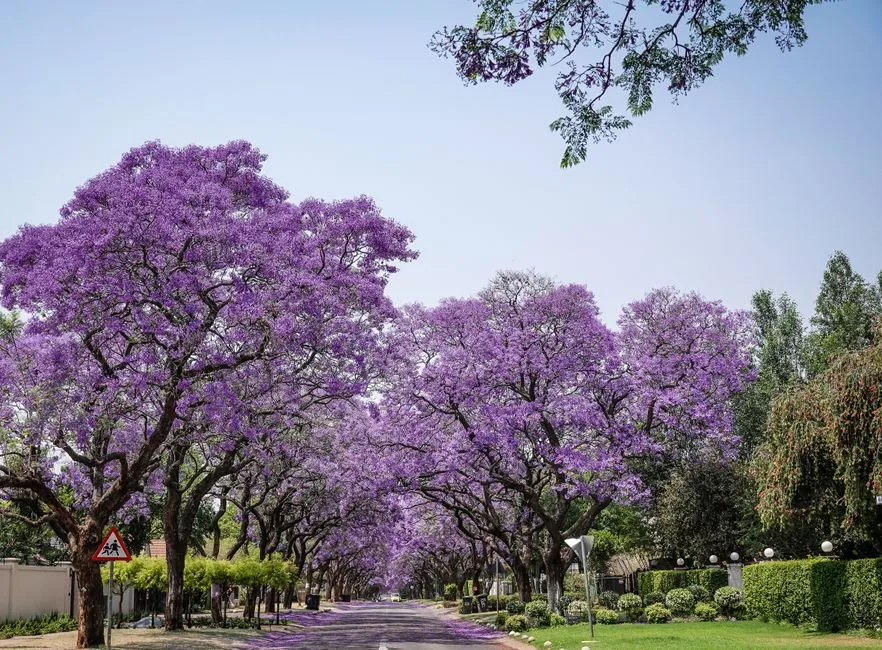
I had my coffee on a são paulo sidewalk when a sudden purple canopy dropped over the street: jacarandas, heavy with bloom, shading a tram stop. People stopped mid-stride, phones up. That little pause — a city rewired by a single tree species — is what spring feels like in brazil: a visible flip from gray to color, from the dull hush of winter to a louder, warmer tempo.
Why spring is its own season in Brazil
Say “spring” and many travelers imagine cherry blossoms and daffodils. Here, spring follows the Southern Hemisphere calendar: temperatures climb, daylight stretches, and weather patterns shift region by region. On the coast the ocean warms and beaches start filling up; inland, highland plateaus show off waterfalls that have gathered runoff and then loosen into rushes you can hike to; and in the wetlands, dry-to-wet transitions concentrate wildlife by shrinking waterholes — which is great for animal watching, if you time it right.
The practical outcome: spring is a shoulder-season sweet spot. You often get warm weather without the craziest crowds of summer, and hotels and tours that were full in December loosen up — especially in September and October. Expect more rain as the season progresses in much of the country, though. That’s part of the trade-off for seeing flowers, migratory birds and the kind of clear, saturated landscapes photographers love.
Where to watch the country wake up (my five favorites)
1) Rio de Janeiro: jacarandas, parks and early beach days
Rio wears spring well. The city’s famous Jardim Botânico bursts with orchids, bromeliads and young leaves. Streets around Largo do Machado and Santa Teresa are lined with jacaranda trees whose purple bloom usually peaks in September–October — an Instagram-friendly phenomenon but also genuinely beautiful if you let yourself slow down and notice the smell and color.
Spring afternoons are warm enough for a beach towel at Ipanema or Copacabana without the midsummer crush, and the water feels less cold than it does in winter. Take a morning walk through Parque Lage and you’ll see runners, dog-walkers and art students scattered across lawns warmed by early sun. Late-afternoon light makes Sugarloaf and the Corcovado look like someone turned up the saturation.
If you want a practical plan: split your days between neighborhoods (Lapa’s street life and music; Santa Teresa’s ateliers; Copacabana/Ipanema beach time) and reserve one half-day for Tijuca Forest trails — spring is when birds become more active and botanical diversity sings.
2) São Paulo and Holambra: urban bloom and flower capital
São Paulo isn’t subtle. It’s loud, expansive and filled with surprises — and spring is one of them. Walk through Ibirapuera Park and you’ll find jacarandas and flamboyants offering shade for picnics; seek out the less obvious green pockets in Vila Madalena for street art and cafés that spill onto the sidewalks.
But the floral headline here is Holambra, a 90-minute drive from central São Paulo. Founded by Dutch immigrants, the town is Brazil’s flower-growing center and puts on Expoflora in September, a festival of flower parades, displays and markets. If you can time a weekend trip, you’ll find fields and greenhouses in vivid bloom — bulbs, gerberas and orchids. It’s a photographer’s delight and a practical place to buy bouquets and learn about Brazil’s horticultural side.

3) Chapada dos Veadeiros: cerrado flowers and waterfall hikes
Up on the central plateau, Chapada dos Veadeiros is where the cerrado (Brazil’s savanna-like biome) shows off its flowers in spring. Trails run between rocky outcrops and broad plateaus, and the region’s waterfalls darken into long curtains after winter rains then clear as the season moves on — which means the swimming holes are glorious in late spring.
There’s more than just visuals. Chapada’s light is unique: high sun, long shadows, and a kind of clarity that renders each color vivid. Hikes range from full-day treks (bring a guide and good hiking shoes) to short cascades you can reach from Alto Paraíso and São Jorge. Expect dusty roads, simple pousadas, and excellent stargazing at night — the plateau’s thin atmosphere means constellations pop.
4) Pantanal and Bonito: wildlife viewing sharpens in the dry-to-wet transition
If animals are why you travel, plan around the Pantanal’s rhythm. The classic Pantanal experience hinges on water. As spring arrives the floodplain is moving from its drier moment toward the rainy season; animals concentrate around remaining water, and predators follow. This concentration makes for exceptional wildlife sightings: jaguars are notoriously easier to glimpse in drier months because their prey congregates, and birdlife is loud and active in spring.
Bonito in Mato Grosso do Sul is the other clear-water star. The region’s rivers and snorkeling sites are famous for visibility and for seeing fish up close. Spring is transitional: you’ll find warm water, clearer rivers earlier in the season, and fewer tourists than summer holidays. Book certified snorkeling operators who use conservation-minded practices — the ecosystem there is fragile.
5) South Coast: Florianópolis, Blumenau and Serra do Mar’s edge
The South yields contrast. Florianópolis opens up in spring: beaches warm, surf picks up, and you’ll find a mix of families and surfers rather than the full summer crowd. For a cultural change of pace, Blumenau hosts its Oktoberfest in October — German beer halls and polka dancing meet Brazilian October sun. It’s not everyone’s cup of tea, but it’s an honest slice of southern Brazil’s immigrant history.
Further inland, Serra do Mar and the coastal mountain range reveal waterfalls, Atlantic Forest fragments and weekend hiking trails. Spring’s new leaves and undergrowth make those forest trails feel fresh. Bring a rain jacket: the Atlantic Forest can surprise you with sudden showers even on otherwise bright days.
Practical timing: when to go in spring
I break spring into three rough travel moods, and I pick which one I want depending on my plan.
- Early spring (September–early October): Jacarandas and many flower festivals peak now; weather is warming but not yet the wetter half of the year in many places. Good for cities and flower-focused day trips like Holambra.
- Mid-spring (mid-October–November): Warm beaches, clearer inland rivers, and chapada waterfalls often still attractive. Tourist numbers begin to rise, especially weekends and holidays.
- Late spring (late November–December): Transitioning toward summer weather. Rain increases in much of the country; expect more humidity. If you want vibrant ripeness (lush green landscapes) this is prime, but pack accordingly.
Packing and planning: what to bring and what to expect
My packing list for spring is the practiced minimalism of someone who knows Brazil’s moods:
- Light layers: mornings can be crisp, afternoons warm.
- Packable rain jacket: sudden showers are common, especially toward late spring.
- Hiking shoes and water shoes: for chapadas, waterfalls and rocky beaches.
- Reef-safe sunscreen and insect repellent (DEET or picaridin for the Pantanal/forests).
- Refillable water bottle and quick-dry towel.
- Adapter for Brazilian outlets (if you need one) and a small first-aid kit.
Booking notes: for wildlife lodges and certified tour operators in Pantanal and Bonito, reserve at least two months ahead if you’re traveling in high-demand weekends. Flights within Brazil can eat time — Brazil is huge — so plan fewer long-haul hops and a clearer regional route instead.
Culture and calendar: what you’ll encounter locally
Spring is festival season in pockets. Holambra’s Expoflora in September brings music, exhibitions and floral parades. Blumenau’s Oktoberfest in October is unabashedly Bavarian and a good fit if you like lively halls and bratwurst. Many towns hold smaller festas — harvest parties, church feast days, local markets — that are best discovered by asking your pousada owner or shopkeeper.
Language tip: a few Portuguese phrases go a long way. Say “Bom dia” in the morning and “Obrigado” (if you’re male) or “Obrigada” (if you’re female) to thank someone. Ask “Quanto custa?” for prices and carry a polite “por favor” and “com licença” for polite interruptions. Brazilians respond warmly to even a small effort with the language.
How spring changes the wildlife and natural rhythms
Warning, but not the bad kind: spring emphasizes timing. If you want birds, plan for early mornings and wetlands. If you’re hoping for jaguar sightings in the Pantanal, book boat- or vehicle-based safaris with experienced naturalist guides who know where animals are concentrating. In forested or riverine areas, simple behavior changes matter: move quietly, avoid flash photos near nests and never feed wildlife.
Water systems shift during spring. Rivers in the highlands and plateau zones may swell earlier in the season then clear later; that’s why Bonito and inland snorkeling sites often provide their best visibility during or just after the drier stretch. Conversely, the Amazon’s flood pulse follows a different calendar — know that if you plan a river cruise, the difference between low and high water is dramatic for how you move through the forest and what you’ll see.
Safety and health
Spring isn’t a medical minefield, but simple precautions keep you on the move: sun protection, mosquito repellent where needed, and sticking to bottled or filtered water if you don’t have a reliable stomach for local tap water. For any adventure that involves rivers or remote trails, use a trusted local operator and confirm insurance coverage for activities like canyoning or long hikes.
Sample itineraries (practical, packable routes)
Ten days: Southeast highlights — city, hillside and flower fields
Day 1–3: São Paulo. Use a neighborhood base (Jardins or Vila Madalena). Explore markets, Ibirapuera Park and the street art. Dine at a boteco for feijoada or street food at a mercado.
Day 4: Holambra day trip for Expoflora or greenhouse visits. Buy fresh bouquets and learn some floral farming techniques if you’re curious about local agriculture.
Day 5–7: Rio de Janeiro. Fly or take a comfortable bus. Split time between beaches, Jardim Botânico and Santa Teresa.
Day 8–10: Serra da Mantiqueira or Ilhabela for mountain or island time — lightweight hiking, waterfalls and small-town pousadas.
Seven days: Chapada dos Veadeiros quick nature reset
Fly into Brasília, rent a car and drive two hours north to Alto Paraíso. Base yourself there to access day hikes to waterfalls, canyon viewpoints and smaller natural pools. Bring good shoes and sunscreen; plan evenings for hearty local food and brief star-gazing sessions.
Ten days: Pantanal + Bonito wildlife loop
Start in Campo Grande. Book a reputable Pantanal lodge with boat safaris and horseback rides for three to four days. Continue west to Bonito for clear-water snorkeling, river floats and cave visits supervised by certified guides. This is nature-heavy; pack accordingly.
Money, transport and avoiding tourist traps
Card acceptance is widespread in cities, but smaller towns and markets often prefer cash — have a mix. Domestic flights in Brazil are convenient but often expensive; if you have the time, overnight buses are comfortable on some routes and a budget-friendly alternative. Renting a car gives flexibility in regions like Chapada and the South Coast but check road conditions; many rural roads are unpaved and can be muddy in rain.
Tourist traps in spring are mostly predictable: overcooked beachfront restaurants with high prices and mediocre service near famous beaches. Instead, walk five blocks away from the main strip, or ask a local pousada owner for the family-run seafood place; the payoff is quality food at fair prices and a way better table view of how people actually live.
Why spring is worth rearranging your calendar for
Because Brazil’s spring is a season of transitions that rewards travelers who plan with intention. You get the color: jacarandas in cities, wildflowers in the cerrado, festival banners in towns that don’t hide their joy. You get animal concentrations that make wildlife watching efficient. You get beaches that are warm but not clogged with holiday crowds. And you get better prices than the summer peak if you book smart.

Local habits that will make your trip smoother
Arrive with patience. Brazilian time can be relaxed; a restaurant saying your table will be ready in 20 minutes may actually mean 30. Make reservations for popular dinner spots in big cities and for nature tours in small towns; the best guides fill up quickly. Carry a small phrase cheat-sheet — a friendly “Bom dia” and a quick “Onde fica o banheiro?” are practical and polite.
Finally, tip culture: check your bill. Many restaurants add a 10% service charge (serviço), but it’s common to leave a small additional tip for standout service. For tours and guides, a modest tip at the end of a great day is appreciated.
A concrete spring trip you can actually book
If I had ten days and three weeks of vacation to use in the same year, here’s what I’d do: fly into São Paulo on a Thursday night, take a Friday to wander Ibirapuera and the Paulista Avenue markets, drive to Holambra for Expoflora on Saturday, catch a Sunday evening flight to Rio for Monday–Wednesday, and then fly to Campo Grande for a late-week Pantanal lodge stay. It’s moving, yes, but each stop is short and focused; you leave feeling like you’ve seen Brazil wake up rather than ticking off boxes.
One thing to do tomorrow
Pick a photo you took on a past trip or a travel image that makes you curious. Make a list of three specific places from this piece you want to see in spring — one city, one natural area, one festival. Then check flights and lodge availability for those dates and block them in your calendar. Spring in Brazil rewards decisive plans. Book the first leg and you’ll find the rest organizes itself.