
Why Mato Grosso feels like a wildlife doorway
Mato Grosso is where brazil’s ecosystems lean into each other: the cerrado rolling into dramatic plateaus, rivers carving the landscape, and then—the Pantanal—spreading into the largest tropical wetland on earth. For a visitor who wants wildlife first and postcard beaches later, Mato Grosso offers both accessibility and variety. Fly into the state capital of Cuiabá and suddenly you’re a drive away from jaguar country, endless birdwatching, and water so clear it looks unreal. This is not a brochure summary; it’s how most travelers experience the region’s rhythm.
How Mato Grosso links you to the Pantanal
The Pantanal doesn’t adhere to political boundaries, but Mato Grosso contains the northern and central portions of this vast wetland. Roads like the Transpantaneira, national reserves, and river routes funnel visitors from Cuiabá into places where animals gather during the dry months. That means, unlike more remote Amazonian trips, you’ll often reach high-quality wildlife viewing within a few hours of the capital—perfect if your time is limited but your expectations are big.
First impressions: the approach and landscape
Driving the Transpantaneira is a rite of passage for travelers in Mato Grosso. The road is literally a raised causeway through marshes, lined with wooden bridges and fishing posts; it channels you from the dry cerrado into a watery world where capybaras and caimans become everyday sightings. Lodges sit on stilts or along riverbanks, and most wildlife tours—boat safaris at dawn or four-wheel-drive excursions at dusk—depart from accommodations along this corridor. The sense of immersion is immediate: you leave the asphalt and enter an ecosystem where water defines everything.

Best seasons for wildlife and what to expect
Seasonality shapes every wildlife experience in the Pantanal. The dry season, roughly June through September, concentrates animals around shrinking water sources and makes spotting jaguars, giant river otters, capybaras, and birds much easier. Trails are passable, boat trips run reliably, and photographers love the golden low light.
The wet season—usually November through March—floods plains and opens a different kind of show: sprawling reflections, migrating waterbirds, and lush, dramatic colors. Roads can become impassable and some lodges close, but river travel peaks. Choose the season that matches your goals: if you want predictable, concentrated wildlife viewing, prioritize the dry season. If you want green, reflective landscapes and fewer tourists, choose the wet season.
Where to go in Mato Grosso: towns, parks, and routes
Cuiabá: Start with Cuiabá not because it is glamorous, but because it’s efficient. The city’s airport connects with major Brazilian hubs; from there, it’s simple to arrange transfers to nearby parks or to book a lodge on the Transpantaneira. Combine a quick urban night—try regional eateries and a glimpse of local life—with a morning departure into the Pantanal.
Chapada dos Guimarães
Less than 70 kilometers from Cuiabá, Chapada dos Guimarães is a plateau of sandstone cliffs, waterfalls, and crystal-clear pools. It’s the contrast many travelers want after a few days of wetland watching: hike to dramatic overlooks, explore caves, and watch the cerrado birds that aren’t usually seen in the marshes below. The town of Chapada itself has a compact, walkable center with artisan shops and a handful of comfortable pousadas.
Nobres
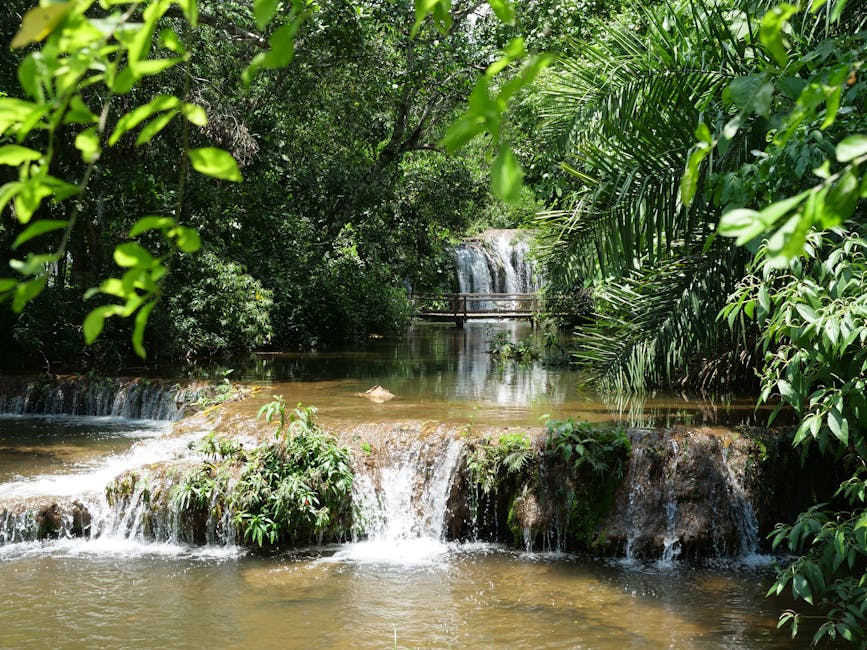
Not as famous internationally as Bonito, Nobres is a pocket of transparent rivers threaded with snorkeling trails. Unlike ocean snorkeling, here you float above schools of colorful fish and emerald rocks, often with only a handful of fellow travelers around. Nobres is an excellent complement to Pantanal wildlife itineraries because it showcases Brazil’s freshwater biodiversity in an intimate, easy-to-reach way.

Poconé, Porto Jofre and the Transpantaneira
Poconé functions as a logistics hub for the Transpantaneira and for visits to national park sectors. Travel further along the Transpantaneira toward its terminus and you’ll reach parts of the Pantanal where jaguar-spotting excursions operate from riverfront lodges. Porto Jofre is a name many wildlife photographers know—the area’s river channels and oxbow lakes concentrate prey and therefore predators during the dry months.
Parque Nacional do Pantanal Matogrossense
This national park preserves core wetland habitats and is important for conservation-minded travelers who want to support protected areas. Visits here emphasize guided walks, boat trips, and interpretive sessions that explain why the Pantanal’s seasonal floods are essential to the web of life.
Wildlife you’ll likely encounter (and how to spot them)
Start with the high-profile species: jaguars, giant otters, and hyacinth macaws. Jaguars are shy but predictable at certain times and places—most sightings happen from boats along river margins where jaguars hunt caiman and fish. Giant river otters are social and conspicuous, often vocal and active in daylight. Hyacinth macaws show up in palm-rich areas and are impossible to miss when a flock takes flight.
Beyond the headline animals, the Pantanal is a lesson in ecological variety. Watch for capybaras lounging near the water, caimans basking on banks, jabiru storks threading the shallows, and anacondas hidden among reeds. Birders will find river terns, kingfishers, and a spectacular array of waders. Photographers favor morning and late-afternoon light; guides typically plan boat trips at those times for good reason.
Responsible wildlife viewing: do this, never that
Approach wildlife as a guest. Keep distance—use binoculars and zoom lenses rather than walking up close. Never feed animals; it alters behavior and increases risks. Listen to guides who have local knowledge about animal habits and safe viewing distances. Opt for lodges that work with conservation projects or local communities. Small, locally run pousadas and community-based tours often funnel money directly to people who live with wildlife year-round.
If you’re photographing, avoid bright flashes aimed at animals and be patient rather than intrusive. Boats should move slowly and keep a consistent distance. These simple practices reduce stress for animals, improve your experience, and help maintain access—park rules or lodge policies sometimes change if visitors are disruptive.
Where to stay: lodges, pousadas, and camping
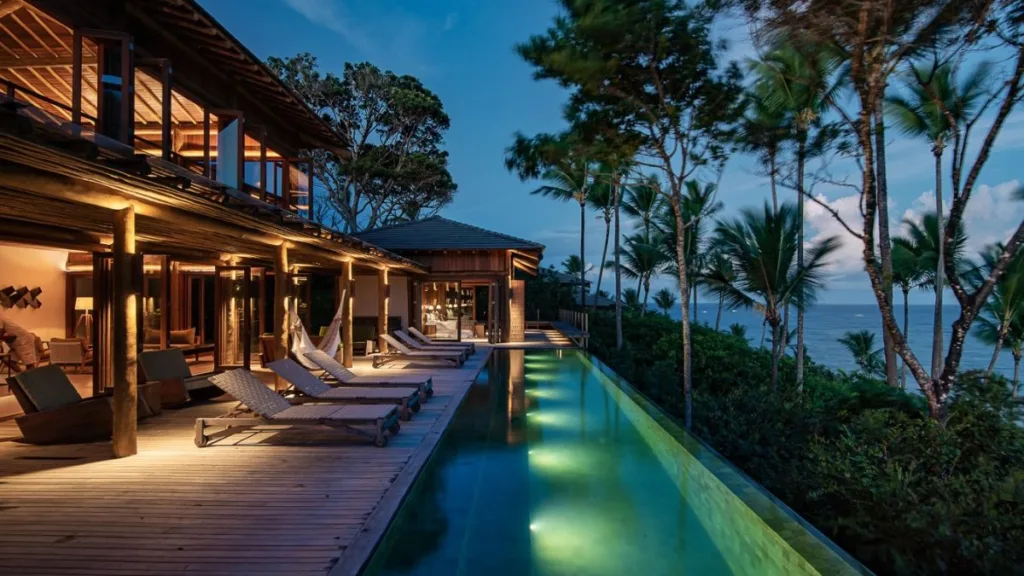
The Pantanal has a range of accommodations from rustic to upscale. River lodges tend to cluster along the Transpantaneira and river channels; they provide full-board packages with guided excursions included. Pousadas in towns like Poconé or Chapada dos Guimarães are great for travelers who want a mix of comfort and independent exploring.
Consider the trade-offs: a remote lodge means fewer nearby amenities but a higher chance of wildlife at the door. Town-based stays give you restaurants and easier logistics. If you stay at an ecolodge, read their conservation statements—many operate research partnerships, engage local workers, and follow sustainable waste and water practices.
Getting there and getting around
Most international travelers fly into São Paulo or Brasília and then connect to Cuiabá (airport code CGB). Cuiabá’s domestic flights are frequent enough to make short itineraries realistic. From Cuiabá, transfers by road take you into Chapada dos Guimarães, Nobres, or the Pantanal. The Transpantaneira road begins near Poconé; many lodges offer pick-ups that coordinate with flight arrivals.
Renting a 4×4 is useful if you plan independent travel, especially in the wet season when dirt roads can be challenging. For comfort and local knowledge, book a lodge package that includes transfers and guided activities—this removes logistical friction and connects you with experienced guides who know where the wildlife will be.
Suggested itineraries for different travelers
Three-day intensive wildlife trip: Day 1 – Fly to Cuiabá, transfer to a Transpantaneira lodge; afternoon boat trip to spot caimans and birds. Day 2 – Dawn river safari for jaguar-focused searching, late afternoon jeep ride to watch capybaras and caimans. Day 3 – Morning walk with a naturalist, return to Cuiabá for onward travel.
Seven-day combo: Pantanal, Chapada, Nobres
Day 1 – Arrive Cuiabá, overnight. Day 2 – Early transfer to Chapada dos Guimarães; short hikes and cliff viewpoints. Day 3 – Morning in Chapada, transfer to Nobres in the afternoon. Day 4 – Snorkeling rivers in Nobres, relaxation at local pousada. Day 5 – Transfer to Poconé and onto a Pantanal lodge. Day 6 – Full day of river and jeep safaris. Day 7 – Return to Cuiabá for departure.
Culture, food, and small-town rhythms
Mato Grosso’s culture is a mix of indigenous, sertanejo (backlands) and river folk traditions. Meals reflect freshwater resources: river fish like pintado appear in stews and moquecas, and the region’s famous pequi fruit flavors rice dishes with a bold, nutty note—try it once and you’ll understand why locals praise it. In town markets you’ll find cassava preparations, regional cheeses, and seasonal fruits. Conversations with lodge staff or local guides often reveal stories about how communities live with floods, manage cattle, and balance tourism with tradition.
Health, safety, and practical packing
Bring lightweight, breathable clothing for hot days and a warmer layer for cooler mornings and evenings. Waterproof footwear helps in the wet season. Insect repellent and long sleeves will make outdoor time more pleasant; mosquitoes are more active near water. Check routine vaccinations and ask a health professional about yellow fever vaccine recommendations for the region—many travel health authorities list parts of Mato Grosso as areas where vaccination is advised.
Carry a reusable water bottle and use water purification options when you’re uncertain about sources. Always let your lodge know your plans and return times if you go on independent walks, and follow guide instructions closely when near waterways where caimans or anacondas may be present.
How tourism supports conservation here
Responsible tourism funds protection. Many lodges collaborate with researchers tracking jaguars, monitor water quality, or support education programs in river communities. When you book through operators that practice ethical wildlife viewing, a portion of your fee often goes to local employment and conservation initiatives. Ask about a lodge’s community projects and how they engage ribeirinho residents; these are signs of operations that invest in the area’s long-term health rather than short-term gains.
Practical booking tips and final travel nudges
Book the dry-season months early if jaguar viewing is a priority—popular lodges fill quickly. For photographers, request dawn and dusk departures and discuss vehicle or boat positioning in advance. If you’re sensitive to motion, ask about boat types and comfort levels before committing. Learn a few Portuguese phrases—people appreciate basic greetings and polite questions; guides will often speak English, but small talk in Portuguese smooths interactions and sometimes reveals local tips you won’t find online.
Staying curious after you return
Mato Grosso lodges and national parks often share research updates—subscribe to newsletters of places you visit to see how wildlife populations and conservation efforts evolve. Share responsible photos and stories; the more travelers tell nuanced, respectful tales of the Pantanal, the better global understanding will be. This place rewards patience and attention. Plan your trip with respect for seasons, local communities, and the living systems that depend on both water and dry land, and Mato Grosso will repay you with unforgettable wildlife encounters.