
Why a scooter often makes sense for visitors
brazil stretches wide and moves fast. In many coastal towns and historic centers a scooter does something cars and buses can’t: it shrinks distances, slips into tight parking, and lets you stop wherever the view is best. Think sunrise over copacabana, winding seaside lanes in Florianópolis, or cobblestone alleys in Olinda — a small, nimble scooter is often the easiest way to explore at your own pace.
That convenience comes with trade-offs. Scooters bring freedom and vulnerability at the same time. You trade air conditioning and crash protection for proximity to traffic, weather, and the realities of Brazilian roads. Knowing the rules and how to stay safe isn’t optional; it’s part of enjoying Brazil with confidence.
What legal basics foreigners should absolutely know
The baseline rule: riding a motorcycle-style scooter in Brazil requires a valid motorcycle driving entitlement. For Brazilians that’s a CNH with category A. For visitors, things vary in practice: many rental shops accept a valid foreign driver’s license plus an International Driving Permit (IDP) or an official translation, while others ask for the IDP or even a Brazilian CNH. Bring both your national license and an IDP if you have one — it removes bargaining and sometimes prevents trouble if you’re stopped.
Always ask the rental company what documents they require before arrival. Companies that don’t request an ID or deposit are rare and tend to be informal; that’s not a good sign. You should also ask to see the scooter’s registration document (CRLV). If the paperwork looks odd, walk away. Proper paperwork protects you if the vehicle is stopped by police or involved in an accident.
Helmet rules — and the practical helmet checklist
Brazil’s traffic code requires that anyone operating or riding a motorcycle or motorized scooter wear a helmet. That applies to the rider and any passenger. Enforcement varies by city and time of day, but officers will ticket or detain riders without helmets. For visitors, helmets are both a legal requirement and a lifesaving item you’ll quickly learn you can’t do without.
Not all helmets are equal. When you’re renting, check these details in person:
- Fit: the helmet should sit level on your head, snug but not painful. It shouldn’t shift when you shake your head.
- Strap: the chin strap should fasten securely and show no fraying or damaged buckles.
- Visor and ventilation: clear visor for night riding and proper ventilation for hot coastal weather.
- Certification label: helmets sold in Brazil typically show a certification label. Ask the shop if the helmets meet local safety standards; a reputable renter will identify them and let you inspect closely.
Bring your own helmet if you can — it’s the single most effective personal safety upgrade and avoids concerns about cleanliness and fit. If that’s not possible, rent a helmet from a shop that rotates and sanitizes gear. Never accept a visibly damaged helmet, even if the price is tempting.
Step-by-step: How a typical scooter rental goes in Brazil
Renting is straightforward when you know what to expect. Expect these steps as a minimum:
- Show your ID and driving documents (foreign license, IDP, passport copy).
- Sign a rental contract that spells out damage policy, fuel responsibility, and kilometer limits.
- Leave a deposit — either cash, credit card hold, or sometimes passport held as collateral. Negotiate this before handing anything over.
- Walk around the scooter with the clerk and document existing scratches or dents. Take time-stamped photos of every panel, the tires, mirrors, and odometer reading.
- Confirm insurance coverage and what it actually covers: theft? third-party damage? personal injury? Small shops may offer only limited coverage or no insurance at all.
Don’t rush the pre-ride check. A quick test ride around the block to verify brakes, lights, horn, and that gears (if present) shift smoothly will save you headaches. If something feels off, ask for a different scooter or a discount rather than taking a risk.
Understanding insurance, liability, and what rentals usually cover
Insurance in scooter rentals is the part that confuses visitors most. Many rentals include basic third-party liability or a collision waiver for an extra daily fee. Others operate informally and provide no insurance, meaning you could be financially responsible for damage or theft.
Ask the rental company three direct questions and get answers in writing: 1) Is third-party liability covered? 2) Does the policy include theft? 3) What amount is the deductible if there’s damage? If they refuse or answer vaguely, consider renting elsewhere or paying for a separate travel insurance policy that covers motorcycle riding.
When accidents happen in Brazil, the process typically involves police reporting, exchange of documents, and sometimes a police inspection of the vehicles. That can be slow and frustrating, but having rental documents, photos, and a clear contract speeds things along. If a local person is involved, obtain their full contact details and vehicle registration before leaving the scene.
City-by-city realities — how riding differs across Brazil
Brazil is diverse and so are its traffic habits. What works in beachfront Florianópolis won’t work in São Paulo’s rush hour. Here are specifics that matter:
Rio de Janeiro
Expect heavy traffic on main roads, fast lane changes, and lots of delivery motorcycles near commercial corridors. Coastal roads like Avenida Atlântica and the scenic stretches around Zona Sul are popular for scooters, but watch for sand on the shoulder and drivers trying to squeeze lanes.
São Paulo
Dense congestion, aggressive lane use, and a mass of delivery motorcycles downtown. If you’re not an experienced urban rider, avoid central rush hours. Use side streets and plan parking in secure garages when possible.
Northeast beach towns (Salvador, Fortaleza, Jericoacoara)
Roads can range from modern coastal highways to narrow, sandy lanes. In towns built on hills or with cobblestones like Olinda, go slow and pick a scooter with good suspension. Beach sands and steep cobbles hide traction hazards; a cautious pace is essential.
South and island destinations (Florianópolis)
Island roads are scenic and twisty. Locals enjoy a relaxed pace, but tourist seasons sharply increase traffic and parking scarcity. A 125–150cc scooter handles coastal climbs better than a tiny 50cc if you plan to explore the island.
Gear beyond the helmet and sensible clothing
Helmet, yes — but a few extra items make a big difference for comfort and safety in Brazil’s heat and rain:
- Gloves with a good grip: they protect hands and improve braking control in wet streets.
- Lightweight rain shell: sudden tropical showers are frequent; quick waterproof layering prevents a soaked shirt from ruining visibility and concentration.
- Reflective vest or strips: daytime visibility is key in busy traffic; evening rides require reflective elements for safety.
- Closed shoes with grip: flip-flops might be beach-casual but are unsafe for riding.
- A small cargo solution: a top box or secure backpack with a chest strap keeps belongings stable and reduces theft risk when you stop.
Electric scooters and shared mopeds — a different set of questions
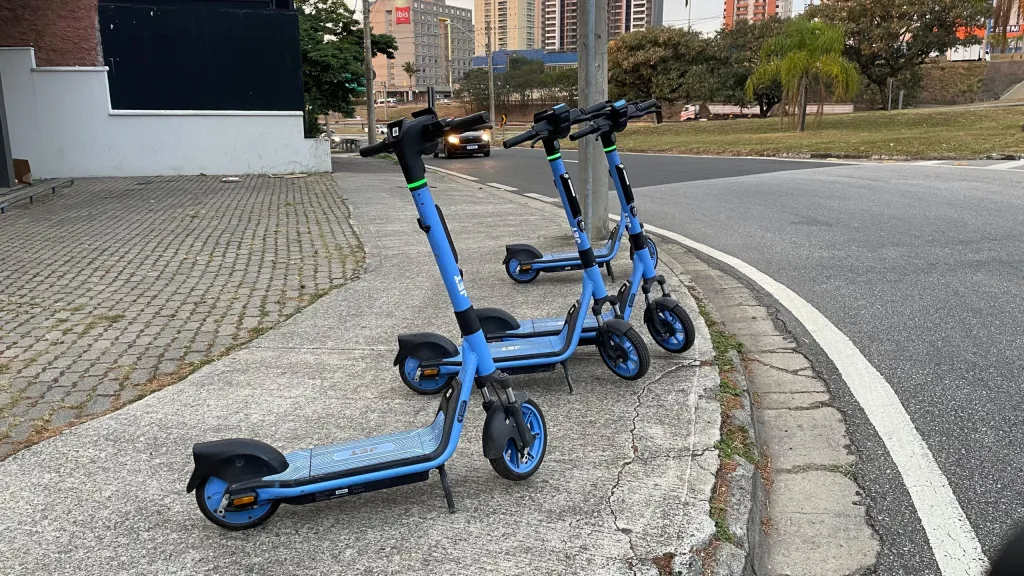
Dockless electric scooters and shared e-mopeds are popping up in larger Brazilian cities. They offer instant mobility without rental counters, but they come with caveats: many users report inconsistent maintenance, unclear helmet provisions, and local regulations that change quickly.
If you try a shared e-scooter, treat it like a trial ride: check brakes, lights, and the battery level before committing. Don’t assume these devices are legal everywhere. Some cities restrict where shared scooters can operate — sidewalks, bike lanes, and some beaches are common no-go areas. Observe local signage and follow municipal rules even if other riders ignore them.
Safety reality check: risks you’ll face and how to reduce them
Motorcycle-related injuries and collisions are a serious concern across Brazil. Delivery motorcyclists weave through traffic, narrow lanes hide pedestrians and dogs, and potholes or sudden speed breakers can appear without warning. You’ll notice a cultural tendency for vehicles to use any available space — lanes, shoulders, and intersections get creative.
Here’s a compact, non-negotiable safety approach:
- Ride defensively: assume other drivers won’t see you. Make eye contact when possible and never pass on the right in heavy traffic.
- Keep distance: a small scooter stops slower than expected, especially with a passenger or under wet conditions.
- Slow down near market streets, schools, and beaches where pedestrians may spill onto the road.
- Avoid night riding in unfamiliar suburbs — poor lighting, stray animals, and inattentive drivers raise risk.
Protecting yourself from theft and scams
Scooter theft and opportunistic theft of belongings are real in tourist areas. Basic prevention wins the day:
- Use a heavy-duty lock and chain when parked — secure the scooter to a fixed object if possible.
- Keep valuables out of sight or in a hotel safe; don’t leave electronics in an unattended top box.
- Inspect the scooter on pickup: some dishonest rentals swap in damaged parts or keep tabs that turn into surprise claims. Photos are your contract supplement.
- Agree on the fuel level and handover odometer reading in writing to avoid disputes when you return it.
Your short pre-ride checklist
Before you head out, run this quick checklist aloud. It takes less than a minute and reduces bad outcomes:
- Documents: license + IDP/passport copy in your pocket; rental contract and CRLV with you.
- Helmet and gloves: check fit and strap.
- Lights, horn, brakes: test both front and rear lights, the horn, and both brakes during the trial ride.
- Tires: tread and inflation look healthy; no bulges or deep cuts.
- Fuel: agree on fuel policy and confirm starting level.
- Photos: take clear, time-stamped photos of all angles and the odometer.
When an accident happens: how to act
If you’re involved in a crash, prioritize wellbeing first. Move to safety if possible and seek medical care immediately for any injuries. Call the local emergency number — 190 for police and 192 for medical emergencies in many parts of Brazil — and wait for authorities to guide the documentation process.
Exchange details with other parties: names, phone numbers, vehicle registrations, and insurance info. If the rental company is not present, call them and follow contract instructions. Keep copies of all police reports and medical receipts; insurers will want originals when you make a claim.
Choosing the right engine size for your trip
Not every destination needs a 150cc engine, and a 50cc can be frustrating on hills or highways. Match the scooter size to your plans:
- 50–110cc: ideal for short, flat urban trips and tight historic centers.
- 125–150cc: best for mixed terrain, light coastal highways, and routes with hills.
- 150cc+: choose this when you plan to travel with a passenger often or take longer intercity stretches on highways.
Think about fuel economy versus comfort. A small engine saves fuel and often rental cost, but it can be underpowered on steep climbs or in dense traffic where you need to merge quickly.
Final practical notes for foreigners
Learn a few Portuguese phrases related to directions, repairs, and emergencies — “socorro” (help), “polícia”, and “hospital” are essentials. Keep your phone charged and download offline maps for the region you’ll ride in. Local SIM cards are inexpensive and make navigation and quick calls easier than relying on roaming.
Respect local riding culture without copying risky habits. Locals sometimes accept high-risk maneuvers; that doesn’t mean you should. Being predictable, visible, and courteous wins you space on the road and reduces confrontational moments with drivers and delivery riders alike.
Deciding whether to rent — a realistic take
Renting a scooter in Brazil is a powerful way to see the country intimately, but it isn’t automatically the right choice. If you are an experienced urban rider, comfortable with traffic that feels chaotic, and you prioritize flexibility, a scooter will reward you. If you’re new to riding, planning long highway trips, or uncomfortable with uncertain rental insurance, consider guided tours or car rentals for longer distances.
When you combine respect for local rules, proper gear, and a careful rental process, a scooter becomes an efficient and memorable way to explore Brazil’s beaches, islands, and charming old towns. Ride smart, and the country opens up in ways buses and taxis rarely do.