
I sprinted past a wall of sequins
I sprinted past a wall of sequins, nearly tripping over a crate of shoes, and handed a steaming espresso to a stylist who was patching a hem with duct tape. That image — messy, loud, impossibly creative — is the part of São Paulo Fashion Week most visitors never see. They see the runway, the polished models, the trailers on Instagram. But the truth is grit and glamour live in the same room here, elbow-to-elbow. I know because I’ve spent seasons watching the city transform into a runway and then reconciling the glitter with the daily chaos of São Paulo streets.
Why São Paulo matters (and why you should care)
São Paulo Fashion Week, often called SPFW, is more than a set of shows. If you care about contemporary fashion anywhere in Latin America, this is the place where trends, commercial muscle, and cultural conversation meet. Designers present new collections, yes — but brands also hire buyers, journalists, and influencers who determine what will be sold across Brazilian stores and beyond. The week signals what Brazilians will be wearing for the next year, and that matters if you’re here, whether you’re shopping, reporting, or simply people-watching.
Listen and look: the city’s conversation
Fashion in São Paulo reacts to city life. You’ll see references to the samba schools, to the architecture along Avenida Paulista, to favela aesthetics and to the sophisticated minimalism of Jardins boutiques. It’s a conversation between Brazil’s cultural memory and its modern impulse. Designers borrow freely — textural techniques from the Northeast, color palettes that nod to Amazonian fruits, tailoring that references Italian immigation to São Paulo in the 20th century — and then they translate that into garments you might actually encounter on Rua Oscar Freire or in a shopping mall in Barra Funda.
Backstage: controlled chaos
The backstage is the real classroom. Here’s how it usually looks: a dressing area with numbered racks, a makeup corner with sticky notes that describe each model’s make-up, and a production team running a printed timeline with second-by-second cues. If a show runs for 10 minutes, everything is rehearsed to the second. I’ve watched tech crews practice lighting cues with a stopwatch and designers whisper instructions to tailors who will hem three dresses in ten minutes.

Backstage etiquette is strict. If you’re a visitor, you get a pass and you follow instructions. If you’re part of the team, you move fast and speak the shorthand. There are often language barriers: English is common among international buyers and press, but Portuguese is the default. Learn a few phrases and you’ll be invited into conversations. Say ‘obrigado’ and ‘com licença’ and you’ll stand out in a good way.
Street style: where the city shows up
People assume street style is only about outrageously dressed influencers. In São Paulo, street style is a full-on anthropology of the city. Look down Avenida Paulista and you’ll see office workers in sharp suits, students with oversized t-shirts and sneakers, elderly men in linen shirts, and teenagers in what I call ‘São Paulo utilitarian’ — cargo pockets, sensible shoes, and layered jackets to handle sudden rain or air-conditioning. That mix is the city’s honesty: practical, inventive, and not easily categorized.
Where to people-watch
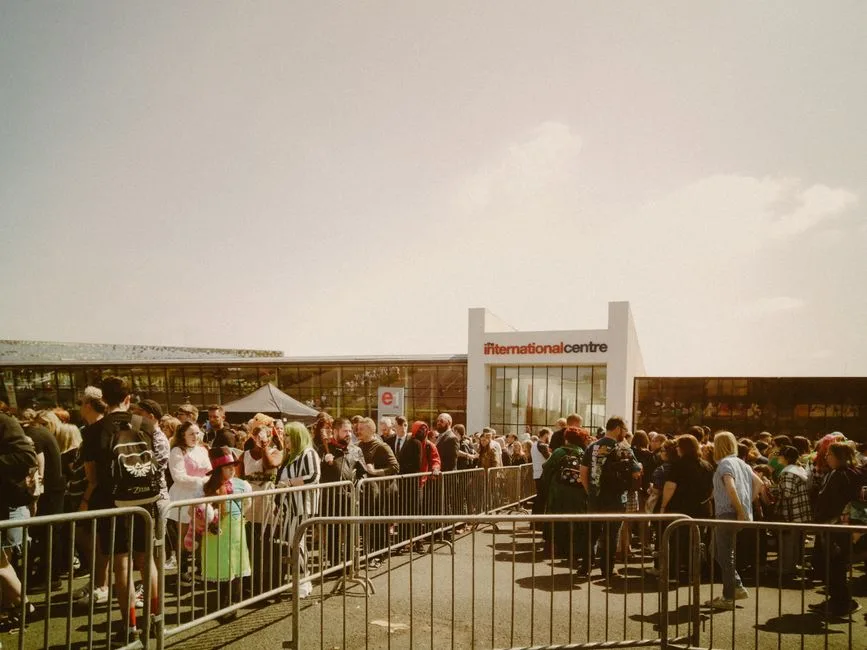
Two places become unavoidable during Fashion Week: the front of the main venues where photo calls happen, and Rua Oscar Freire, the high-fashion retail street in Jardins. At the venues, you’ll spot editors and buyers hustling between shows. At Rua Oscar Freire, you’ll see a steady stream of shoppers and designers dropping into boutiques. If you only have an afternoon, pick the street. It’s the easiest way to feel the week without a show ticket.
How to actually get inside a show
Most major shows are invitation-only. Designers send invites to buyers, editors, and celebrities. That said, there are practical ways for visitors to experience SPFW without a black ticket:
- Follow designers and SPFW official channels. Some brands sell a limited number of public tickets or run lottery-style raffles for seats.
- Press accreditation. If you write for a recognized outlet or run an active blog with an audience, apply for press credentials. Bring samples of past work.
- Off-schedule events. Smaller brands, student shows, and exhibitions often open their doors to the public or sell affordable tickets.
- Pop-ups and presentations. These are less formal than runway shows and often meant to connect designers directly with customers. Expect to try clothes on and sometimes order right there.
Being polite helps. Designers and their teams value seriousness and genuine curiosity. If you approach a brand’s PR politely, explain who you are and why you want to attend, you’ll be surprised how often they provide a seat for a foreign visitor who shows interest.
When to come: timing and tempo
SPFW runs twice a year. Pick your season depending on what you want to see: many foreign visitors prefer the March/April season for the outgoing summer energy, while October/November shows edge toward SS collections timed for the South American market. Either way, plan early. Accommodation fills up fast near Jardins and Avenida Paulista. If you want cheaper options, look in Vila Madalena or Pinheiros — both neighborhoods are trendy, and they’re short Uber rides from the main fashion hubs.
Where to stay like a (stylish) local
Choose your neighborhood based on how you want to experience the city:
- Jardins — perfect if you want walkable boutiques, good restaurants, and luxury hotels. It’s the heart of shopping for fashion people.
- Avenida Paulista / Bela Vista — central and practical. A good choice if you care about museums and easier metro access.
- Pinheiros & Vila Madalena — creative neighborhoods with bars, galleries, and concept stores. Afterparties tend to flow into these areas.
Tip: São Paulo traffic is legendary. Allow extra travel time between events — what looks like a 20-minute ride on a map can easily become 40 or more during rush hour. Use local ride-hail apps (Uber and 99 work reliably) and keep an eye on real-time updates.
Eating between shows
There’s no shortage of food to power you through a long day. Some quick rules I follow: carry small snacks (protein bars, fruit), hydrate constantly (São Paulo’s climate can be surprisingly dry in winter), and pick lunchtime restaurants near venues if you’re on a tight schedule. For a real treat, book dinner in one of the inventive restaurants in Jardins — you’ll find chefs blending Brazilian ingredients with global techniques. But don’t be surprised when you see the same designers grabbing a late-night pizza or a simple tapioca crepe at a cart — fashion people eat like everyone else when the day is long.
Brazilian designers to notice (a guide for the curious shopper)
If you’re in the crowd and want to walk away with something uniquely Brazilian, pay attention to a few tendencies: craftsmanship, strong textile work, and a willingness to blend streetwear with tailoring. Designers often showcase locally sourced materials — think natural dyes, hand-embroidery, and knitwear rooted in small factories across Brazil’s states. That means you can find pieces that feel global but remain unmistakably Brazilian: bright, tactile, and often made with community techniques.
What’s wearable for travelers
Look for pieces that travel well. Lightweight linen shirts, easy slip-on shoes, and multi-season jackets. Brazilians value practical beauty: pockets are often woven into dresses and jackets; sandals are crafted to last; knits are lighter than they look. If you’re shopping, ask about care instructions — many designers recommend hand-wash or gentle machine cycles because of delicate finishes.
Sustainability and craft: more than a trend
One meaningful change I’ve watched over the years is how sustainability stopped being a buzzword and became operational. More ateliers are producing limited runs, designers emphasize traceability, and collaborations with craftsmen — often from Northeastern states or Amazonian communities — are more visible on the runway. That said, sustainability in Brazil has many faces: social responsibility, regional production networks, and reuse/upcycling. If this matters to you, ask where the garment was made and what the production run looked like; responsible designers are happy to answer.
Nightlife and after-parties
Shows end, but the week doesn’t stop. Afterparties are where friendships form and deals are quietly struck. You’ll find private parties inside club venues, pop-up bars in warehouses, and rooftop cocktails that feel like compressed versions of the city’s nightlife. If you’re invited, expect loud music, tight schedules, and getting in late. If you aren’t on the list, there are always satellite events in Vila Madalena and Pinheiros that welcome the public — look for gallery openings and DJ nights tied to fashion brands.
Language, manners, and practical etiquette
Portuguese is the social lubricant here. You don’t need to be fluent, but a few lines will take you far: ‘Bom dia’ (good morning), ‘Boa tarde’ (good afternoon), ‘Por favor’ (please), ‘Obrigado/Obrigada’ (thank you — use ‘obrigado’ if you identify as male, ‘obrigada’ if you identify as female), ‘Com licença’ (excuse me). Wear sensible shoes between shows — you’ll be walking on polished floors, on cobblestones, and occasionally on grass at outdoor presentations. Dress to be seen, but comfortable enough to move quickly. Leave flashy jewelry at the hotel unless you want to navigate crowds carefully.
Money matters and shopping tips
Credit cards are widely accepted in São Paulo, though smaller stalls and some independent ateliers may prefer cash. Many boutiques price items in Brazilian reais, so check current exchange rates before you buy. If you plan to shop heavily, ask the retailer about paperwork for potential tax refunds for tourists — Brazil has a cumbersome tax-free system, but some stores help with forms or direct you to refund services. Also, remember to ask about size and fit: Brazilian sizing can run small compared to US or European sizes. Try things on if you can.
Bring a small toolkit
I always carry a tiny repair kit when traveling for fashion weeks: a small set of safety pins, double-sided tape, and a sewing needle with black and white thread. Trust me: someone will need a pin or a stitch, and you’ll be the tiny hero who keeps the show moving.
Photographing and social media: what’s allowed
At shows, photography rules vary. Some designers actively invite photographers; others restrict visuals until a certain embargo lifts. If a show prohibits photos, respect it — the designers likely want control over the images released to the press. For street style and public events, you can usually take photos, but always ask before photographing someone closely. Brazilian culture is warm: a friendly smile and a quick ‘Posso tirar uma foto?’ (May I take a photo?) gets you a lot farther than snapping away like a drone.
Local tours and workshops that make the week richer
If you want something more structured than wandering, book a fashion-focused walking tour or a studio visit. Local guides can introduce you to ateliers, small manufacturers, and concept stores that don’t show up on mainstream maps. Workshops — from shoe-making to print workshops — are usually run by small collectives. Participating gives you an inside view of how a piece is made and connects you directly with the people behind the clothes.
Safety and street smarts
São Paulo is a giant metropolis and it deserves the same caution you’d use in any major city. Keep valuables stored, be mindful of phone use on crowded metros, and prefer well-lit streets at night. If you must carry a bag, cross-body and kept in front during transit is best. That said, neighborhoods linked to fashion week are generally safe with visible security during events. Use your judgment, and don’t let fear prevent you from enjoying the city’s creative pulse.
What surprised me most
When I first covered SPFW, I expected flamboyance and spectacle. What surprised me was the discipline: meticulous fittings, quiet production teams, and an underlying seriousness about craft. The spectacle is the result of hours of focus and a surprising level of collaboration. Designers will credit tailors, stylists, casting directors, and even the assistant who irons a single cuff. Fashion Week is a small economy of specialists — and watching them work taught me to respect the craft more than the headline shows ever could.
Planning the perfect fashion-week day
Here’s a simple itinerary I use when I have one day to soak in the week without official passes:
- Morning: Coffee in Jardins, a stroll along Rua Oscar Freire, pop into a few concept stores. Pick a small café and watch the passerby parade.
- Midday: Visit a fashion exhibition or a public show presentation. Many brands set up installations or temporary stores during the week.
- Afternoon: People-watch outside a main venue, then duck into a boutique to try on pieces you liked.
- Evening: Book a late dinner in Jardins or head to Vila Madalena for an after-party. If you get an invite, take it.
Two things to remember
First: São Paulo is not a single story. The city hums with contradictions — extreme wealth sitting beside stubborn inequality, avant-garde design and everyday practicality — and fashion Week distills those contradictions into wearable form. Second: be curious respectfully. Ask about a designer’s intent, listen to the team behind the scenes, and treat shopping like a small cultural exchange, not a prize hunt.

One concrete takeaway for your trip
If you have one practical thing to do: schedule a free afternoon for Rua Oscar Freire and the surrounding streets the day after any big show you attend. You’ll see the city in post-runway mode — boutiques restocking, designers pausing to greet customers, and people trying on looks they may have seen on the runway the night before. It’s the living moment where runway ideas become real wardrobes.
Book your travel early, pack a small toolkit, learn a few Portuguese phrases, and let the city surprise you. São Paulo Fashion Week rewards the curious traveler who shows up with patience and a willingness to walk the lines between glamour and tenacity. If you do that, you’ll leave with a few unique pieces, a new way of seeing the city, and a story you’ll tell more than once.