
Why churrasco matters when you visit Brazil
churrasco is more than grilled meat. It’s a social ritual that stretches across regions, but nowhere does it feel more alive than in São Paulo’s cosmopolitan dining rooms and Porto Alegre’s gaúcho-rooted churrasqueiras. For a foreigner, a meal at a churrascaria is a condensed crash course in Brazilian food culture: how people eat, what they celebrate, and how flavors change from city to city.
What to expect at a Brazilian steakhouse
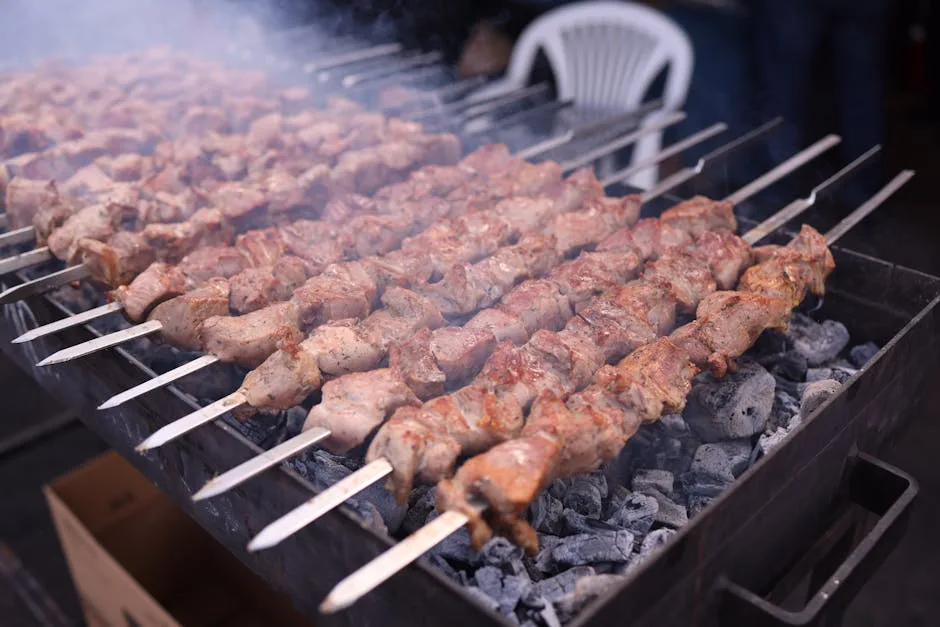
Most steakhouses you’ll encounter in Brazil follow one of two formats. The rodízio offers all-you-can-eat service: waiters circulate with skewers, slice meat tableside, and keep coming until you tell them to stop. The à la carte style lists individual cuts and portions; it’s common at more upscale or specialty houses. Either way, expect a well-seasoned, wood- or charcoal-fired crust and a parade of cuts—picanha, alcatra, maminha, fraldinha, cupim and more—each treated with modest seasoning so the beef itself shines.
Dining mechanics: green/red disk, pace, and shared plates
Rodízio diners usually control the flow with a colored disk at the table: green means “bring meat,” red means “pause.” Pace yourself. The servers are relentless—in a good way—but you don’t need to accept every offering. Leftovers are frowned upon, and your eyes will often be bigger than your stomach. Expect to share sides: farofa (toasted cassava flour), vinagrete (tomato-onion salsa), pão de alho (garlic bread) and a salad bar with regional touches. Drinks matter too—order a caipirinha if you enjoy bright citrus, or a crisp Brazilian beer to cut through the fat.
São Paulo: cosmopolitan churrascarias and what sets them apart
São Paulo’s churrascarias reflect the city itself: polished, diverse and competitive. Here the churrascaria is often a theater—a long pass with carbo-loaded sides, butcher-trained servers, and a focus on presentation. You’ll find everything from big chains that perfected the rodízio model to family-run houses that have been slicing picanha for generations.
Neighborhoods make a difference. In Jardins and Itaim Bibi the scene tilts upscale: white-tablecloth service, curated wine lists and attention to imported cuts. In Moema and Vila Olímpia you’ll find modern rodízios with lively after-dinner crowds. For a foreigner, choosing by neighborhood is a pragmatic shortcut: Jardins equals finer dining, Vila Olímpia equals energetic night out, and Bairro do Bixiga offers neighborhood flavor with an old-school vibe.

Recommended picks and what to order in São Paulo
Some steakhouses stand out because they balance consistency with a clear identity. If you want the full rodízio experience, look for places with experienced passadores (meat carvers) and an extensive salad bar. Ask for the picanha—the trademark Brazilian cut, a rump-cap revered for its fat cap and beefy flavor. Try maminha (bottom sirloin) for tenderness, fraldinha (flank) for more chew and smoky char, and linguiça (Brazilian sausage) when you want fat and spice. If the place serves cupim (hump), order it: slow-cooked, it turns buttery and deeply savory.
Porto Alegre: gaúcho roots and the southern way of grilling
Porto Alegre sits in the heart of gaúcho country, where the churrasco tradition is less restaurant performance and more countryside ritual. Here, the grill culture comes from the pampas—wide-open ranches and meat diets baked into local identity. Expect a more straightforward approach: open-fire grilling, rustic presentation and an emphasis on beef quality rather than theatrical service.
Dining in Porto Alegre often includes regional companions. You’ll see plates served with thick, buttery rice, a simple salad, and often an earthy accompaniment such as mandioca (cassava) or feijão tropeiro in some homes. The atmosphere in many southern churrascarias is communal—long tables, loud laughter, and a flow of skewers that feels like a rotating village feast.
What to try in Porto Alegre and how it differs
Picanha remains king in the south, but you’ll also encounter cuts prepared specifically with regional taste. Cupim is more common here, especially when the churrasco is made from zebu-influenced herds; the result is a fattier, gelatinous cut that melts when done slowly. Another Porto Alegre hallmark is the presence of simpler, rustic houses where gauchos still season primarily with coarse salt and let the charcoal do the rest.

How to choose the right steakhouse for your trip
Pick a place based on mood. If you want an efficient, tourist-friendly introduction, go for a polished rodízio in São Paulo with a broad meat rotation and an English-friendly staff. If you’re chasing authenticity and a story, head to Porto Alegre for a gaúcho-style house where the cook’s technique matters more than the wine list.
Price is another filter. Rodízios vary widely: some charge a fixed price for the all-you-can-eat model, others offer midday lunch specials that are tremendous value. In São Paulo you’ll find high-end rodízios with premium beef and international wines; in Porto Alegre, value often translates to portion size and the straightforward generosity of the kitchen rather than elaborate service.
Reservations, tipping and payment
Reserve ahead on weekends. Popular spots fill fast, especially in São Paulo’s dining districts and Porto Alegre’s Friday-night crowd. In Brazil, many restaurants include a service charge (usually around 10%); if service is exceptional, add a little extra in cash. Card payment is ubiquitous; still, carrying some reais for small purchases and tips keeps things simple.
Etiquette and tips that make a better meal
A few practical habits will elevate your churrasco experience. First, let the passador know how you like your meat—many will slice directly onto your plate, so say “mal passado” (rare), “ao ponto” (medium) or “bem passado” (well done). Second, be mindful of the pace. If you stop eating for a while, flip your disk to red; servers won’t take offense. Third, embrace the sides: farofa adds texture, and a little vinagrete brightens fatty cuts.
Use local language touches. A quick “obrigado” or “obrigada” goes far with staff. If you’re vegetarian or have dietary restrictions, signal that early—rodízio service is designed around continuous meat flow, so a heads-up lets the kitchen adapt.
Practical suggestions for travelers
Plan a meat-focused day but balance it with activity. After a heavy churrasco, a walk through Avenida Paulista in São Paulo or along Porto Alegre’s Guaíba waterfront clears the palate and helps digestion. If you’re trying multiple houses on the same trip, vary the format: go rodízio once, then choose an à la carte, wood-fire grill the next time.
Travelers with budget constraints will find bargains at weekday lunch rodízios and at smaller, neighborhood churrascarias outside tourist zones. Use local apps and review sites, but place weight on recent reviews and photos—menus and hours change fast.
Suggested tasting itineraries for food-first visitors
Two-day São Paulo itinerary: Day one—start at a midday rodízio in Vila Olímpia for value and energy; walk off the meal at Ibirapuera Park; finish with a drink in Vila Madalena. Day two—experience a high-end house in Jardins where the wine list and beef quality are the focus. Bonus: weave in a street-food stop for pastéis or coxinha earlier in the day to taste Brazil’s savory variety.
Two-day Porto Alegre itinerary: Day one—seek a gaúcho-style churrascaria in Moinhos de Vento or near the center for authentic southern cooking; spend the evening listening to local music and try chimarrão if offered. Day two—visit a smaller, off-the-beaten-path grill where locals go; pair the meal with a regional cachaça or simple beer to keep the experience anchored in the south.
Common questions travelers ask
Is churrasco safe for foreigners? Yes. Restaurants are used to tourists, and food safety standards in major cities are comparable to other large urban centers. If you have dietary restrictions, communicate them early; many places will accommodate.
Can you eat vegetarian at a churrascaria? It’s possible but less straightforward. The salad bar helps, and some houses offer grilled vegetables or cheese skewers. For a fully vegetarian meal, pick an à la carte place or a dedicated restaurant instead.
What about children and group dining? Churrascarias are extremely family-friendly. The rodízio format suits groups: kids enjoy the theatrical presentation, and large parties can share a wide variety of cuts.
How to read a menu and ask smart questions
Look for three key things: format (rodízio vs. à la carte), included sides, and any premium cuts that cost extra. When in doubt, ask whether the price includes all the sides and the salad bar. Ask about the origin of the beef if provenance matters to you—many steakhouses will proudly explain whether they use national breeds or imported aging methods.
Final practical notes for planning
Timing matters: dinner service in São Paulo often starts late; restaurants fill after 8 p.m. Porto Alegre’s schedule can be similar, but local crowd patterns depend on neighborhood. If you plan to pair multiple steakhouses on the same trip, leave at least a meal between heavy churrascos—your palate will thank you.
Above all, approach your churrasco with curiosity. Let the servers guide you, try a new cut or two, and savor the ways São Paulo’s polish and Porto Alegre’s gaúcho roots put different spins on the same flame-kissed tradition.